

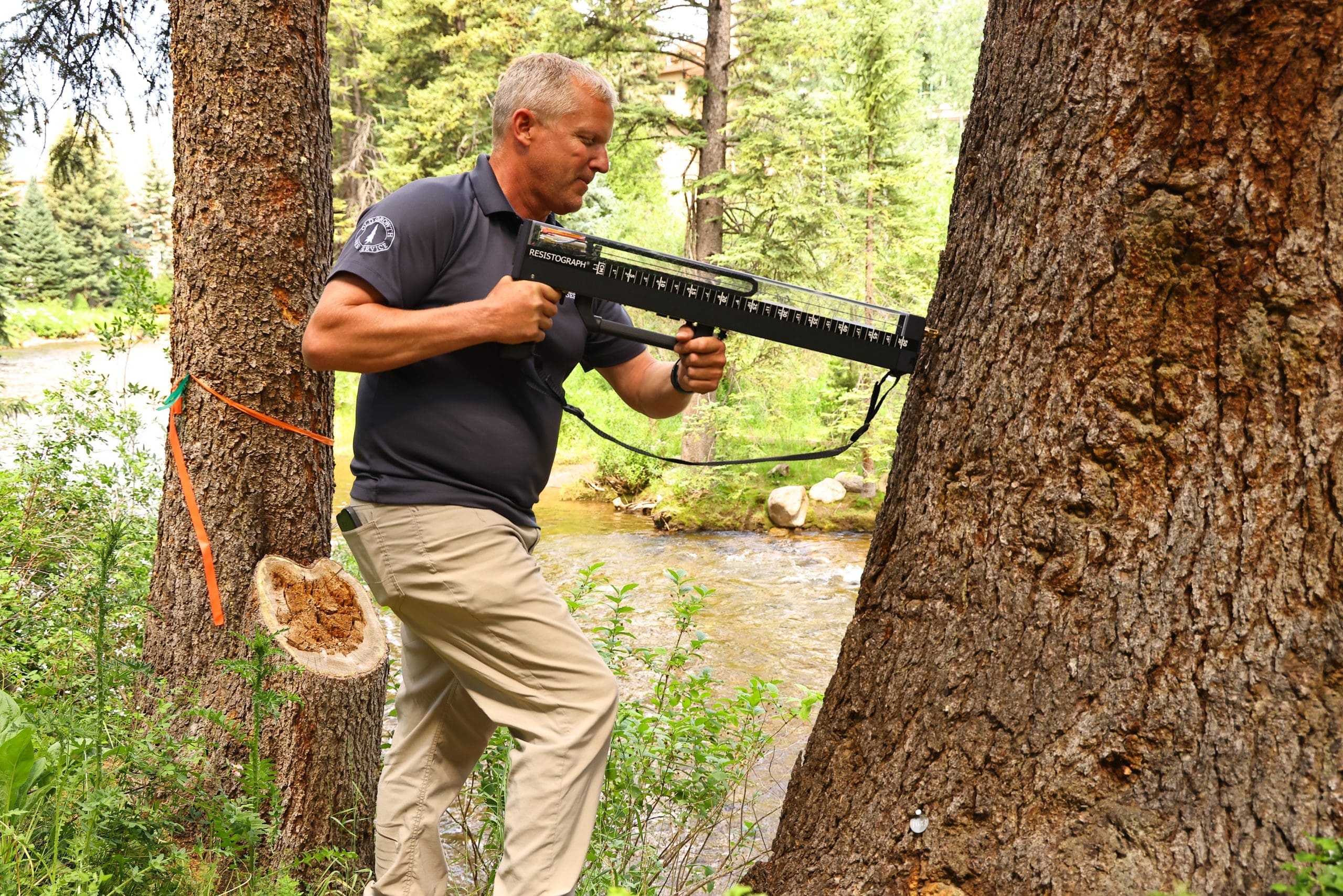
Cleaning up damage after storms have rolled through is common, but one way to elevate your tree care services is to conduct pre-storm tree risk assessments.
“At Old Growth Tree Service, we believe in being proactive and offer regular assessments to our clients,” says Todd Rader, general manager and board-certified master arborist with Old Growth Tree Service, based in Gypsum, Colorado. “When we arrive at a new property, our goal is to assess all the trees on site and make any necessary recommendations to prevent tree failures and property damage. We work with our clients to communicate our findings and recommend treatment plans for vulnerable trees, or removal if necessary. Some tree species are more susceptible to storm damage, so we would prioritize those, but all trees benefit from these pre-storm inspections.”
The Value of Adding Risk Assessments to Your Service Model
Building relationships is crucial in tree care work, and proactive tree risk assessments can help foster trust with customers.
Rader says because proper tree care is so important, they offer initial consultations at no cost, but in special cases where they are conducting more advanced assessments, they will charge for this service.
“When our recommendations help our clients stay safe and save their trees, their trust in us is built, and they continue working with us,” Rader says. “Knowledge and quality service beget trust, which in turn creates client retention.”
SavATree, headquartered in Bedford Hills, New York, also makes proactive risk assessments a core part of their approach as they help identify hazards early on and reduce emergency situations later.
“Clients can avoid serious property damage, power outages, personal injury, and costly emergency work,” says Mike Tilford, director of general tree care operations for SavATree. “Just as importantly, proactive care provides peace of mind, knowing their landscape has been evaluated and prepared ahead of severe weather.”
Turning Inspections into Work
Aside from strengthening your customer relationships, pre-storm tree risk assessments can also lead to additional business.
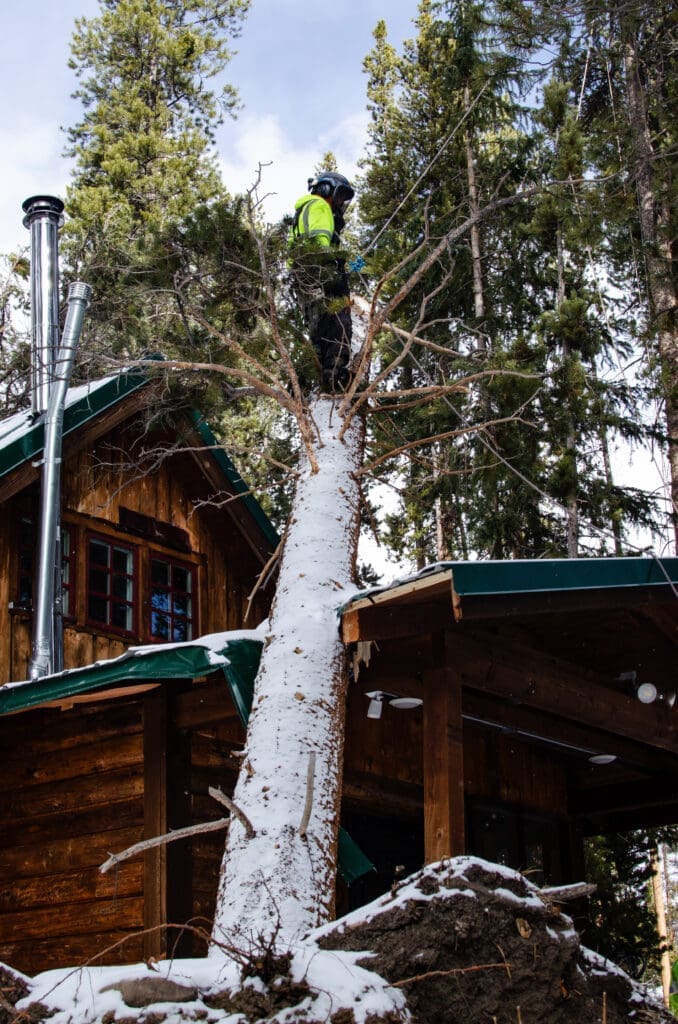
Photo: Old Growth Tree Service
Chris Kemp, plant healthcare manager and ISA certified arborist with Piscataqua Landscaping & Tree Service, based in Eliot, Maine, says they generally offer these assessments as a free service to existing clients during the slower months and let homeowners know if they find any trees that are potentially at risk.
Kemp says it’s all about educating the client as much as possible so they can make an informed decision.
“Here’s all the information that I’m looking at,” Kemp says. ‘What would you like to do? Here’s what it would cost to do this.’ There’s an emotional cost as well as a dollar cost. These are the choices. So you put the ball in their court, but you definitely make strong recommendations.”
Tilford notes that when clients understand the risk and potential consequences, they are far more likely to move forward.
Kemp says nine times out of 10 their clients approve the work they suggest. Meanwhile, Rader says for their regular clients, their recommendations have an 80-90% conversion rate.
“For new clients, it often depends on timing,” Rader says. “Typically, after a recent storm, awareness is elevated, and people are more likely to be proactive. Unfortunately, over time, people tend to become complacent and let issues linger rather than being proactive. We often receive calls to perform work that was bid months earlier when a storm is predicted.”
Rader says they also make a point to monitor the local weather and nudge clients to have their tree work done before severe weather hits.
For the small percentage that may pass on the work entirely, Kemp says it’s critical to have documentation of these assessments and your recommendations to avoid liabilities down the road.
“If a tree shows signs of a vulnerability to failure, and that issue is ignored, it’s a matter of when the tree will fail, not if the tree will fail,” Rader says.
Which Trees and Properties to Prioritize
When it comes to scheduling and determining which properties to visit first leading up a storm, focus on sites with high-risk trees.
“This includes trees with prior damage, structural defects, proximity to homes or power lines, and exposure to severe weather patterns,” Tilford says. “We also factor in client history and site conditions to ensure the highest-risk situations are addressed first.”
Kemp recommends paying attention to properties with species of trees that are weak-wooded or shallow-rooted.
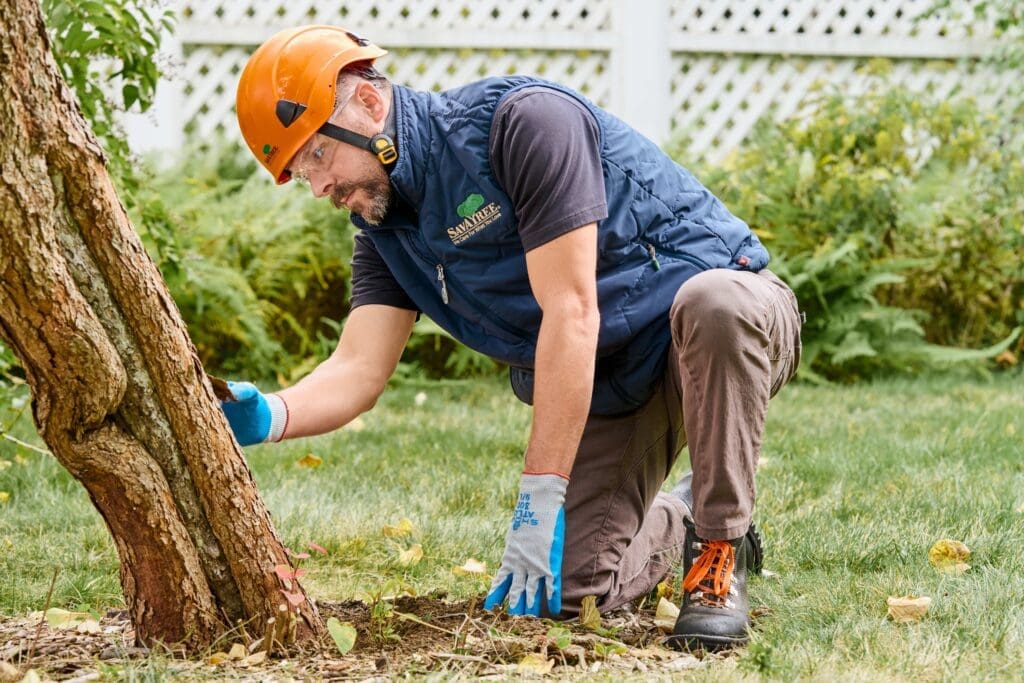
“Different tree species have varying structural strengths, wood densities, and growth patterns, and those characteristics can significantly affect how well a tree withstands wind and storm events,” Rader says. “Novice arborists may not be familiar with specific species traits and growth habits, so it’s easy to miss vulnerabilities.”
Rader says when you are familiar with the treatment history, site conditions, and potential risk factors on existing clients’ sites, you can quickly identify the areas that need attention.
“At the same time, we intentionally leave room in our schedules to meet with new clients as they come in, assess their properties, and begin building the same long-term partnerships,” Rader says. “This approach helps us stay responsive during busy seasons while continuing to grow and support our community.”
What to Look for During Assessments
During the assessment itself, red flags to look for include cracks, decay, compromised root systems, hanging limbs, and trees under tension or imbalance that could fail during storms.
Rader says they’ll also look for insect and root issues.
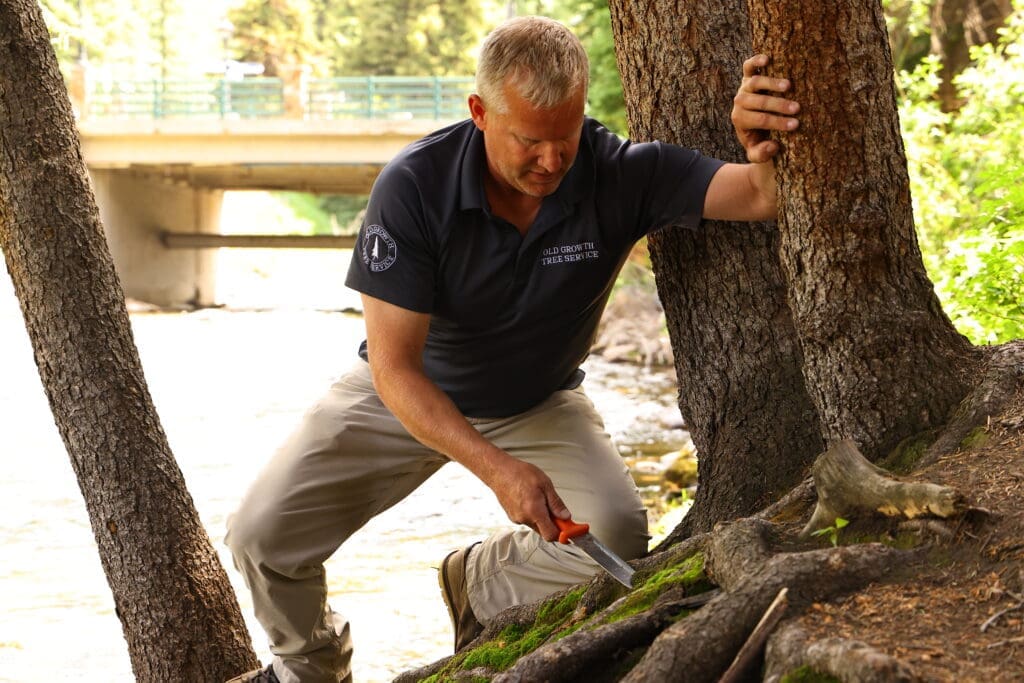
“We have various tools we use if we suspect issues, which help us know what’s happening with the trees,” Rader says. “If needed, we will get into the soil and roots of a tree to make sure there is no decay. We also use a highly sensitive drill, called a Resistograph, to drill into the tree and identify any weak spots or decay within the trunk.”
Kemp and Rader both advise taking ‘targets’ into account as well during the assessment.
“Targets are the valuable assets that can be affected or damaged by a storm,” Rader says. “The most important target is people. When people are frequently in an area with an identified tree risk, the assessment is elevated. Other targets include homes, vehicles, roadways, and parking lots, or anything else the client determines as high value.”
Tilford says hidden decay, internal cracks, unstable root zones and nearby electrical hazards are some of the commonly overlooked issues that can significantly increase risk.
“Take the time to assess each site thoroughly and never rush the process,” Tilford says. “Invest in proper training, rely on experienced professionals, and communicate clearly with clients about risks and solutions. A thoughtful, proactive approach not only improves safety but also builds long-term trust.”
Mitigation Methods
All three companies recommend focusing on tree preservation first before resorting to tree removal. Mitigation strategies include pruning, reducing the weight on certain branches and installing support cables.
The decision to suggest tree removal is a nuanced one, as many clients have emotional significance attached to their trees. Tilford says removal is only considered when a tree is no longer viable or poses an unacceptable level of risk.
“As an industry, we remove more trees than we need to,” Rader says. “When you take the time to look at trees that have actually failed, whether from wind, snow load, or structural issues, what have you; you start to understand the biomechanics and patterns behind why they failed. That kind of observation builds better arborists. It helps you make more informed recommendations and preserve trees when they’re structurally sound.”
You won’t be able to prevent the need for storm cleanup entirely, but offering solutions that help clients avoid significant damage can help you stand out in the long run.
