

In response to drought conditions, many municipalities have rolled out water restrictions that result in tree deaths and increase the heat island effect as they label turfgrass and green spaces as part of the problem.
Recognizing this challenge for the irrigation and landscape industry, the National Association of Landscape Professionals, Scotts Miracle-Gro, Hunter Industries, Rain Bird, SiteOne, Ewing Outdoor Supply, and the Texas Nursery and Landscape Association have founded the Healthy Green Spaces Coalition.
This coalition was created to provide science-backed research and expert guidance on the most effective ways to manage water efficiently in landscapes, ensuring that vital green spaces continue to deliver significant environmental benefits.
“Lawns and gardens clean the air, cool air temperatures, and provide many more health and environmental benefits when properly maintained,” says Brian Herrington, vice president of external affairs for The Scotts Miracle-Gro Company. “And now, there is more data and science to support this idea – beginning with better water-efficient grasses, plants and more sophisticated irrigation management. Plants are much better options around our homes and in our communities than artificial turf, asphalt, or concrete. We saw a need for education and outreach, and the development of this work brought us together with the other partners.”
Formation of the Coalition
The spark for the coalition began in fall of 2022 as Warren Gorowitz, director of sustainability and social impact for Hunter Industries and Paul Lierheimer, vice president of landscape irrigation for Rain Bird, discussed the need for unified messaging on the value of healthy green spaces and efficient irrigation.
Following this discussion, in 2023 they gathered a group of manufacturers, landscape architects, contractors and trade organizations in Dallas to brainstorm ideas and move this concept forward.
“We talked about the fact that our industry is really good at talking to ourselves about this, but we are not really great talking outward,” Gorowitz says. “The idea was can we create a platform with messaging that we can all use as an industry. Similar messaging was the other challenge that we saw. Organizations weren’t using the same messaging. There’s so much power in collaboration. We felt like that was where the greatest opportunity was from an impact standpoint.”

HGSC’s founding partners understood that by working together, the messaging would be more authentic and better the entire industry.
“By being part of the HGSC, Ewing desires to be a part of the solution,” says Aaron Budimlija, EVP of business development for Ewing Outdoor Supply. “The green industry needs to have a voice and a seat at the table when discussing policy and regulations about landscaping, irrigation, water usage, etc. We can provide expertise and knowledge in these policy discussions and be an asset for our community leaders.”
These partners have provided funding as well as expertise for HGSC’s panel of industry professionals. Amy Graham, president and CEO of the Texas Nursery & Landscape Association, says she’s been able to provide a boots-on-the-ground perspective on how the coalition’s efforts will be implemented locally.
What the Coalition Aims to Achieve
The coalition has four main objectives including promoting water-efficient landscape practices with expert guidance. Budimlija says the HGSC will help highlight leading innovations in water conservation.
“Water is a finite resource,” Budimlija says. “And while climate change is front of mind, carbon sequestration from landscapes is real and beneficial. Technology exists today to solve many of our classic water issues in the landscape. Now we have an opportunity to educate end users that we can have beautiful landscapes and conserve water.”
HGSC will also advocate for responsible water use & environmental stewardship.
“First and foremost, it’s the right thing to do for future generations,” says Steve Counter, vice president of category management for SiteOne Landscape Supply. “We have seen what a changing climate can mean to our industry, and we want policy decisions rooted in fact that consider all the elements of healthy green spaces within our communities.”

Another goal for the coalition is to highlight the inherent value of healthy green spaces.
“We want to help people understand that lawns and gardens have a positive impact on their community and when you plant the right plants and take care of them the right way, that impact can be even larger,” Herrington says.
Lastly, the coalition will empower individuals and communities through education and research. To help with this objective, Radian Developers created the website and content, promotes the cause on social media and will collect, analyze and report on the true science behind commercial and residential irrigation best practices. Later on, HGSC may launch a podcast to share its messaging as well.
Gorowitz says providing factual information will help build credibility for the industry as a whole.
“Success will be tremendous when people across the United States refer to the data on the website and our central messaging is uniform throughout local conversations, whether communicated federally, state, or city-wide,” Graham says.
Lierheimer agrees the HGSC will be successful when people begin organically talking about the importance of healthy green spaces
Changing the Narrative
Part of the way this shift occurs is by changing the narrative around lawns and irrigation.
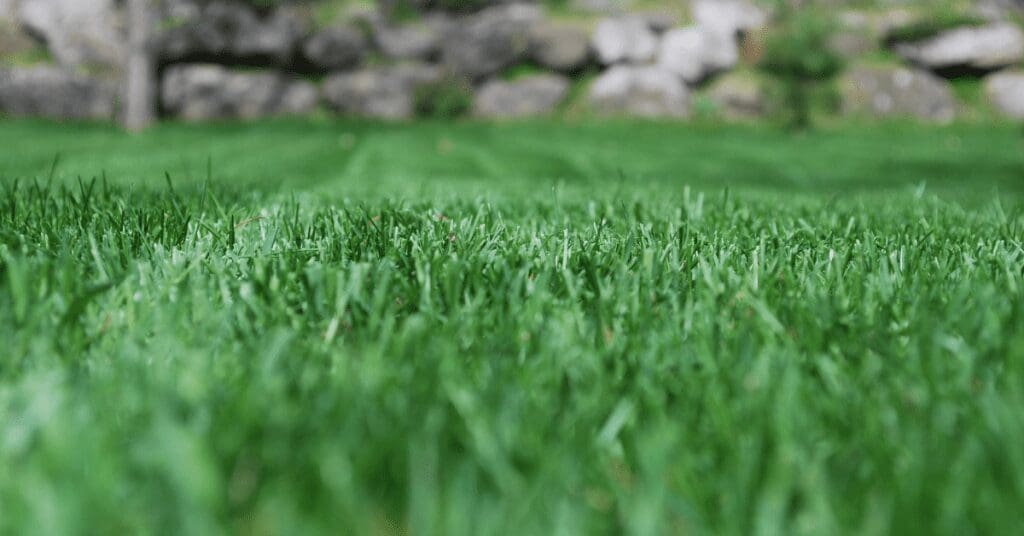
“There are certainly lawns that maybe chose a poor variety of grass to grow, a cool-weather grass in a hot weather climate, or they’ve got poor irrigation efficiency,” Lierheimer says. “But lawns by themselves are not evil, and that’s the piece that we need to get out there. The fact that lawns have cooling effect. They’ve got carbon sequestration that is really significant.”
It is often this misinformation that drives state and local regulations around water efficiency, water conservation and landscapes in general.
“The green industry is not the largest consumer of water, yet many times this industry is targeted due to incorrect irrigation installation techniques or to the use of outdated technology,” Counter says. “Ultimately, the question we must answer is what’s the best way to drive water efficiency through new technologies and other methods at the local level.”
Steve Whitesell, CEO of Radian Developers, notes many are pushing for turf removal, and while in some instances that is a good idea, by and large, it has an incredibly low ROI.
“Our stance and approach is to help utilities understand the other options for irrigation conservation, including low-input seed varietals, smart controllers and irrigation system maintenance,” Whitesell says.
By addressing common myths, providing alternative solutions to water conservation and conveying the inherent value of healthy green spaces, HGSC will advocate for the industry as a whole with policymakers.
“If we don’t communicate with them, someone else will tell our story,” Graham says. “It will be based on selective research that furthers strategies that are not necessarily well thought-out and biased against the green industry. I believe if a balanced message is not communicated, we will see unforeseen circumstances occur. Other problems will result from the poorly thought-out strategies.”
How to Support HGSC
To support the coalition, visit greenspacescoalition.org to access the expert resources and learn more about the initiatives. You can also follow the coalition on LinkedIn and share the information with the different people you interact with such as homeowners, developers or a water agency.
“This is going to be many conversations, many conversations over many years, and it’s just the constant drip, drip, drip that will get us to this new mindset,” Lierheimer says. “I’m hoping that we get enough people who will take this advice, read what we’re putting out there, and take one idea, and share it with people that you work with, share it with people who are your customers and keep pushing.”
Spreading the facts and information available is critical to achieving the coalition’s goals.
“Together we can help our community leaders understand how we are creating and maintaining healthy green spaces in the most responsible way possible,” Budimlija says.
If you are interested in becoming a partner in the coalition, contact Andrew Bray, SVP of government relations for NALP, for more information.
Key Takeaways
- NALP and leading partners have formed the Healthy Green Spaces Coalition to deliver science-backed, unified messaging on efficient irrigation and the value of green spaces.
- The coalition will promote water-efficient landscape practices, responsible water use, the inherent value of healthy green spaces and provide education and resources to empower individuals and communities.
- To support the coalition, visit greenspacescoalition.org and share the data-driven content with your customer base.
