


Although consumer demand has calmed down from the post-COVID frenzy, there is no doubt homeowners still see value in investing in their outdoor spaces and are seeking ways to maximize their landscape’s potential.
Trending Design Aesthetics
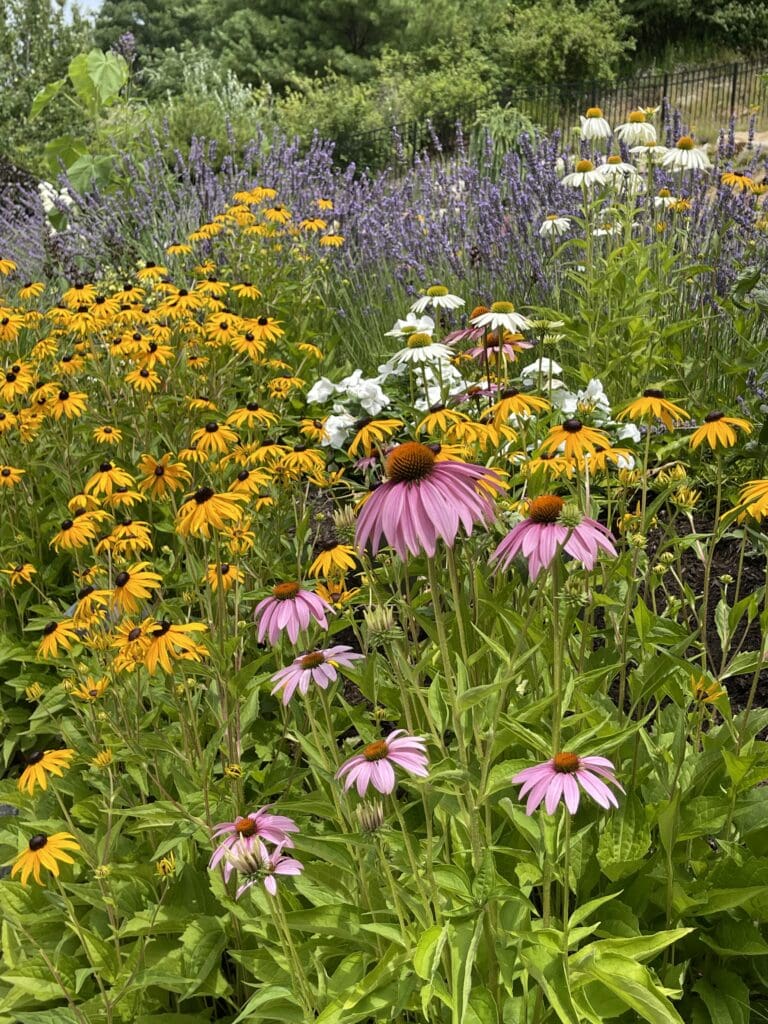
As the demand for native plants and well-adapted species rises, so does the desire for more naturalistic landscapes that are less rigid and manicured.
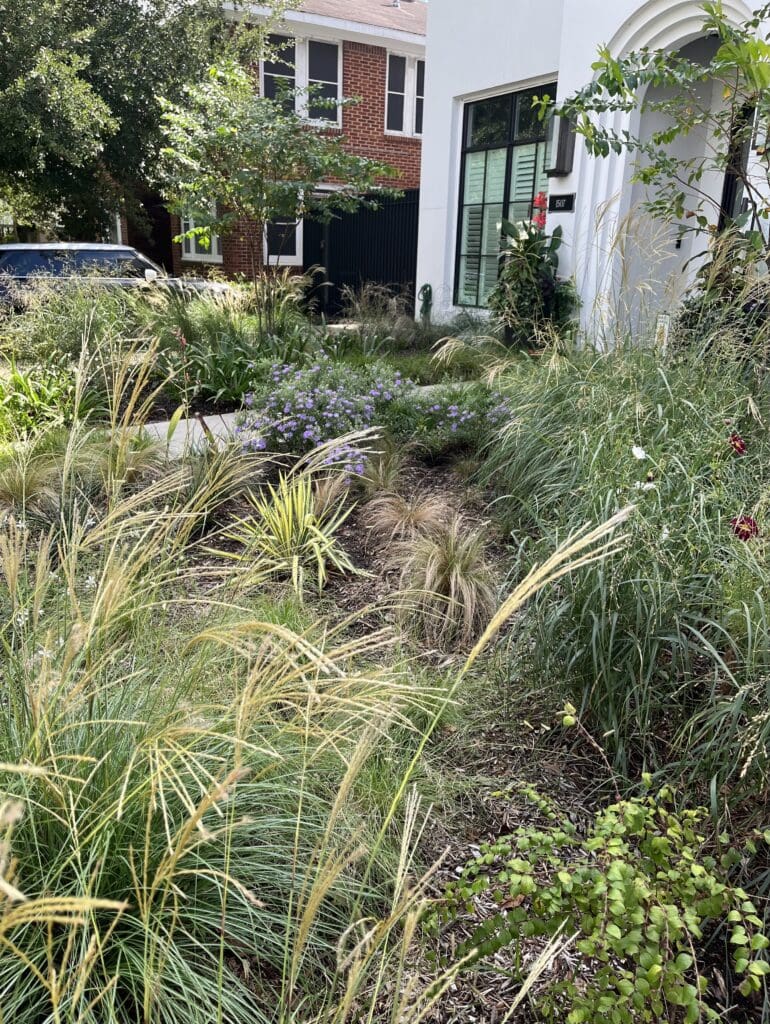
“There has been more interest in a naturalistic landscape,” says Michele Dupuis, owner of Giving Gardens & Landscapes, based in Collinsville, Connecticut. “There is a belief that this will yield lower maintenance. Setting clear expectations about initial plant needs while getting established over a couple of years has been important. Maintenance does not go away with a naturalistic landscape.”
Kyle Cahill, founder and horticulturist for Grow and Company, based in Houston, Texas, adds that a growing number of clients appreciate the beauty and ecological benefits of a more wild and untamed aesthetic.
“It’s about creating harmony between the built environment and nature,” Cahill says.
Guy Henry, director of horticulture for Brook Landscape, based in Brooklyn, New York, anticipates customers will move away from the sea of white and purple flowers for warmer tones. He says plants like Asclepias tuberosa, Aquilegia and Phlox subulate will be part of this new wave of plants.
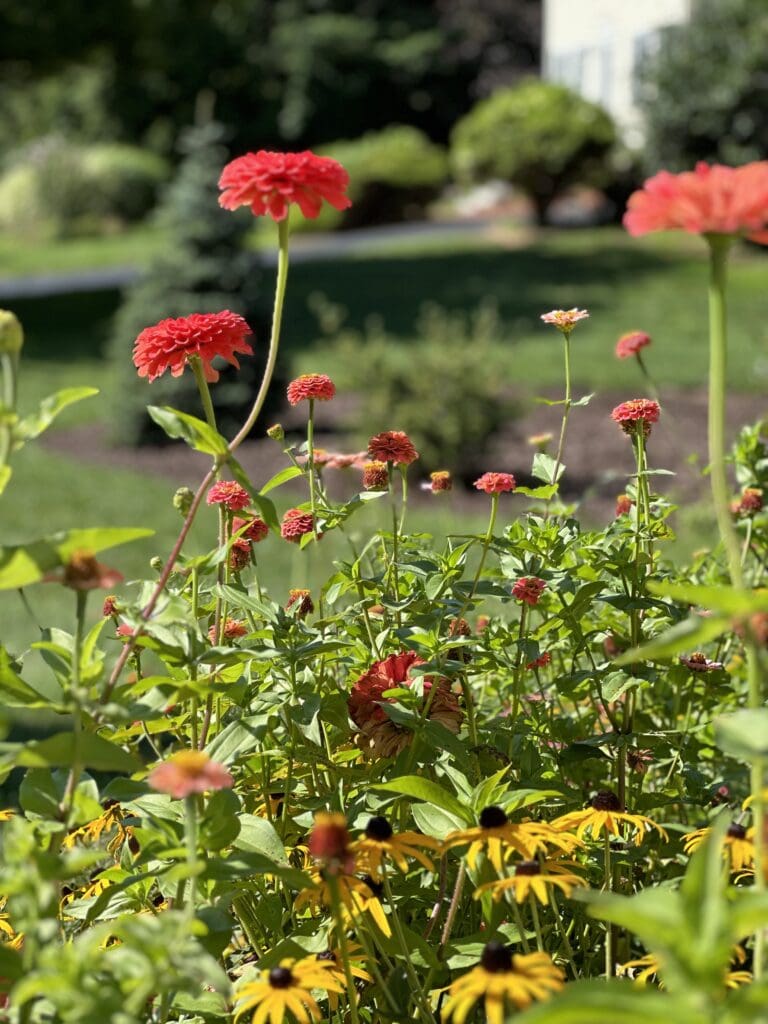
Jaclynn Neu, lead designer with Rock & Rose Nursery + Landscape, based in Truckee, California, agrees fall colors like red, orange and yellow will be popular.
Cahill says he expects to see softer earthy tones with bold accents in plant selections. This aligns with Pantone’s Color of the Year for 2025, Mocha Mousse, which is a warm brown that evokes a feeling of comfort.
Henry and Chris Noone, senior director of category management for hardscapes with SiteOne Landscape Supply, expect that there will be a shift away from the sleek, modern landscape in favor of vintage, old-world spaces. This includes utilizing antique or reclaimed sculptures in an effort to make the garden feel it has been there for a hundred years.
“You’re hearing people are traveling,” Noone says. “‘Oh, I saw this in Italy, or I saw this somewhere,’ and they want to bring it back to where they’re at. I think there’ll be some movement there,” Noone says.
This design aesthetic also gives outdoor spaces more of a timeless element to it.
Giving Outdated Spaces a Facelift
Speaking of timeless, landscape companies anticipate for many properties, it will be time to give their landscapes a makeover if the homeowner opted for more trendy elements during the original installation.
“Many properties with older landscapes are overdue for updates, and with the growing focus on water conservation, biodiversity, and improved curb appeal, I think we’ll see homeowners investing in refreshing these spaces to align with current aesthetic and environmental trends,” Cahill says.
Dupuis adds that homeowners began to see the need to update aged landscapes back in 2020. She says this has continued, and each year, she has more clients seeking renovations, some in stages and others all at once.
“There’s a big push for bold colors and textures,” Noone says. “People wanting to put their personality on their outdoor living. Maybe they bought the home and put something in originally, and now it’s time to update. Or they bought the home and they want to put their personal stamp, if you will, on that outdoor living space with the things that they like to do. Technologies change, too.”
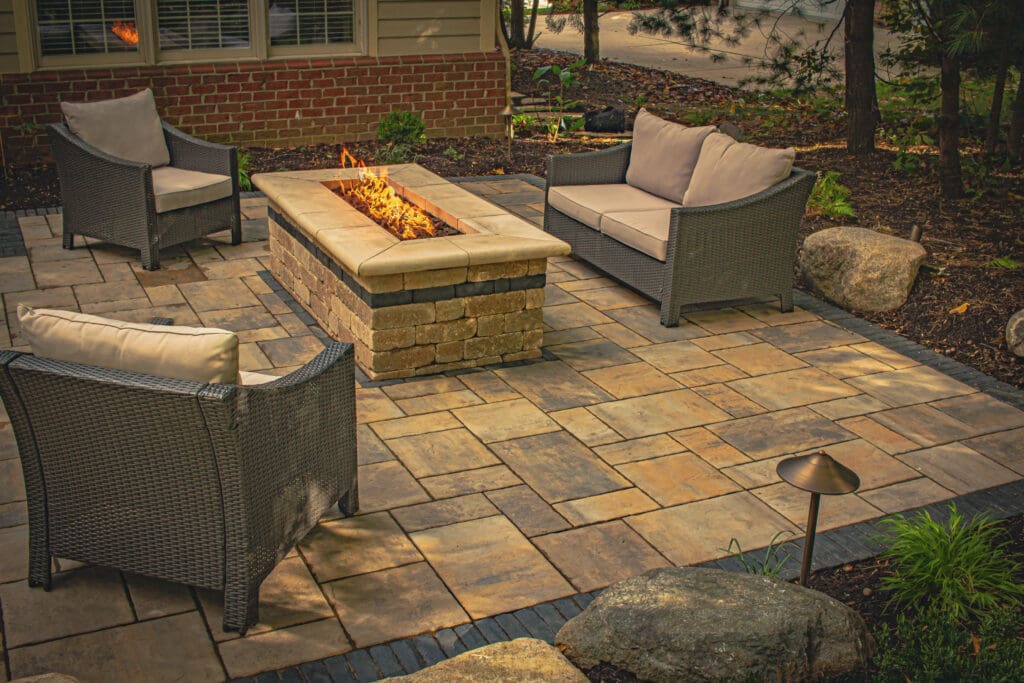
Lighting, in particular, is an element that can give away a landscape’s age through the usage of LED strip lighting everywhere.
“LED strip lights sort of date a garden design,” Henry says. “I know that it’s from a certain era when every step has that slick, linear footlight accent. In the context of a house that has a lot of historical decorative architectural details, sometimes it just is jarring, and it doesn’t suit a classic, historical old-world feel.”
Henry argues that too often lighting becomes an afterthought in the design. He advises coming up with a thoughtful, integrated lighting plan.
“You can really focus on some fixtures that are special and important and mean something in the space, rather than just throwing a strip of LEDs or like crushing it with bullet lights or whatever it might be” Henry says. “The intentionality of letting things breathe, and the importance of light in a space is sometimes overlooked.”
Zach Gebel, director of operations for Brook Landscape, says they plan to up their lighting game in the upcoming year.
“Ideally, each space is thought of with a goal set in mind of evoking a feeling, telling a story,” Gebel says. “Every aspect of your garden should back up the story and the philosophy of what we’re trying to say or trying to feel, and lighting should not be a shortcoming of that. Lighting should be right there in lockstep with the whole idea.”
Increasing Functionality
Another rising trend is the desire to make every part of the landscape functional, including front yards, which are typically underutilized.
“People are realizing the potential of these often-overlooked areas for activities like casual gatherings, edible gardens, or simply creating a welcoming entryway that feels personal and unique,” Cahill says.
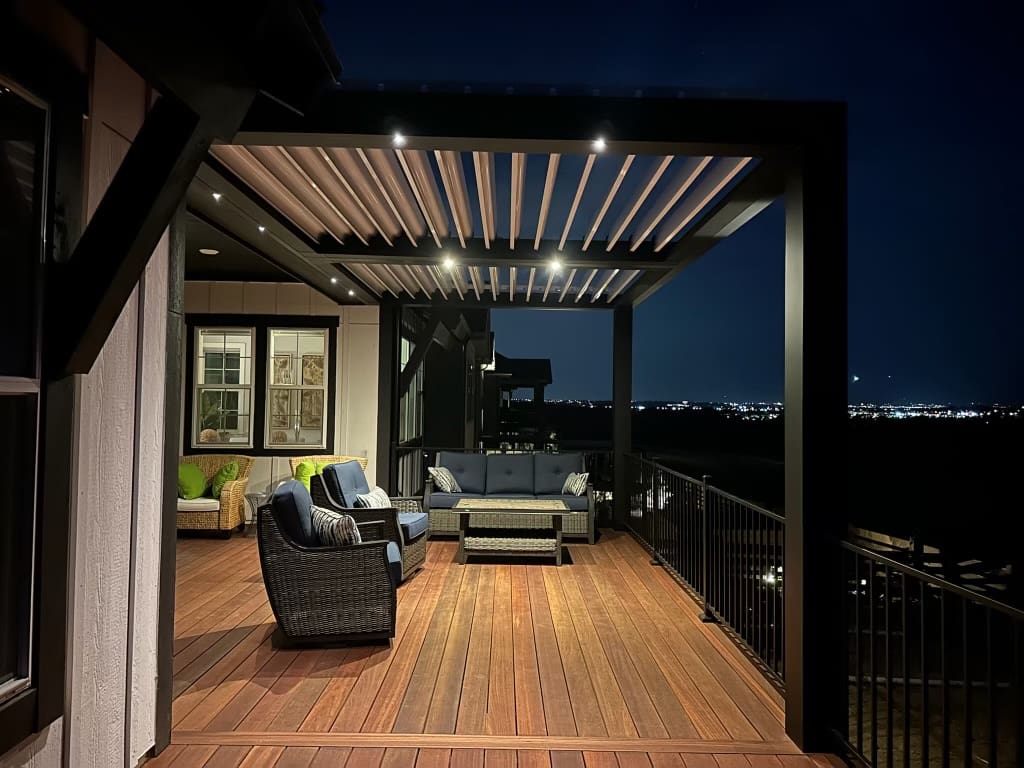
Joel John, owner and president of M.J. Design Associates, Inc., based in Plain City, Ohio, says more and more of their clients are adding front yard patios.
Henry says more clients are coming to them with checklists on what they’d like in their landscape compared to five years ago, they simply wanted a patio and fence.
“Now they’re coming to us saying, ‘We want an outdoor kitchen that’s built-in, that’s custom, that’s got a refrigerator and a sink,’” Henry says. ‘We want a sauna or an outdoor shower and cold plunge. They want to be using the space functionally a lot more.”
John says pools, lighting and fire features are all rising in popularity.
Meanwhile, Gebel has a hunch that water features like fountains, fish ponds and aquatic plantings are back in vogue based on several projects they have in development.
“I definitely think that as you’re looking forward, you’re also looking to the past,” Gebel says. “There’s this revisitation, reinventing, reimagining what used to be. I think that’s where aquatic plants can come into this sort of new wave of planting.”
Noone says another big movement will be project quilting where natural stone, pavers or a wood deck are used to create transitions from different rooms in the outdoor space.
“The demand for blending naturalistic elements with modern conveniences will grow,” Cahill says. “Features like pollinator gardens, kitchen gardens, and fire or water features will be popular. People want spaces that are both visually appealing and practical for entertaining or retreating.”
Gebel says even kinetic elements like wind chimes or mobiles that make sound or move help homeowners enjoy their space more.
Crafting Wellness-Oriented Spaces
The 2020s have been a rollercoaster for consumers and many are focusing on their mental well-being.
“Features such as saunas, cold plunges and outdoor showers are becoming extremely common,” Gebel says. “I think a lot of people are looking to spend time in their gardens disconnecting from stressful jobs and busy lives.”
Noone says he’s seen everything from yoga spaces with synthetic decking to lap pools being added to landscapes.
Dupuis says, in particular, her retired clients are seeking relaxing spaces to read, birdwatch or care for their garden. She says there’s also been increased demand for mass planting to create a sense of ease or peace in the landscape.
“The connection between outdoor spaces and mental health is well-documented, and more clients are requesting designs that encourage relaxation and mindfulness,” Cahill says. “Elements like meditation gardens, soft lighting, and soothing water features are increasingly popular.”
