

Our Level Up series shares the strategies that help landscape and lawn care companies get to the next level.
Lou Penning Landscapes, Inc., based in Napa, California, has served the Bay area since 1988 and has been growing as the market has evolved there.
Ben Penning, president of Lou Penning Landscapes, Inc., is the second generation of the family to work in the business. He grew up helping crews during the summer. He attended San Diego State University and worked for a commercial landscape company there.
“They put me on a crew, put me out in the field for a year as a laborer, pulling weeds, digging trenches, digging up valve boxes,” Penning says. “I learned basically everything down there. I really learned a ton working with that company and then worked my way up to maintenance account manager and worked down there for three years.”
Penning returned to Napa in 2008 and says he knew all along he’d return to the family business.
“When I was 18 years old, I didn’t want anything to do with Napa or landscaping, but as soon as I got down to San Diego, I knew I was coming back and I knew I was going to work for the company,” Penning says.
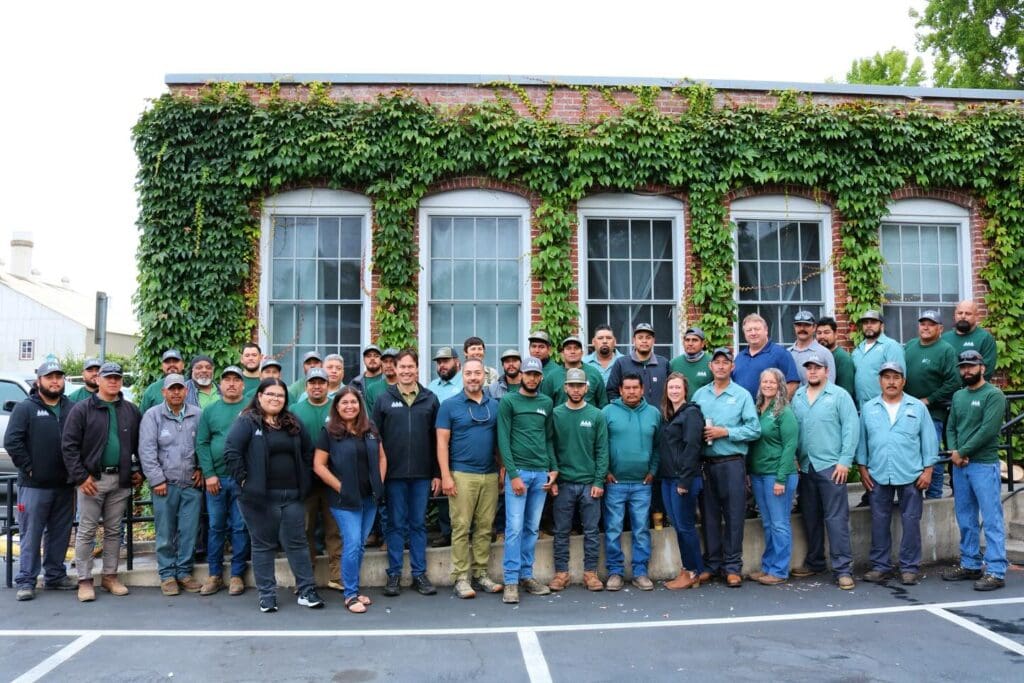
The company currently has 50 people on staff. Penning expects in the next five years they’ll be close to 100 employees. Penning says their annual revenue is over $6 million.
“We owe a lot of our success to very solid people out in the field who have been with us for a very long time,” Penning says. “We have a lot of people here that have been with us for over 10 years and they really make the engine go.”
Ideal Customer Base
The company primarily serves estates in Napa and about half of these properties are secondary homes.
“We want to work with clients that engage with all of our service lines,” Penning says. “We have seven different services and five on maintenance.”
The company specializes in providing maintenance, irrigation, enhancements, organic plant health care and vegetable gardening, as well as design/build services. Two-thirds of their business comes from recurring maintenance services and one-third from their new design/build construction work.
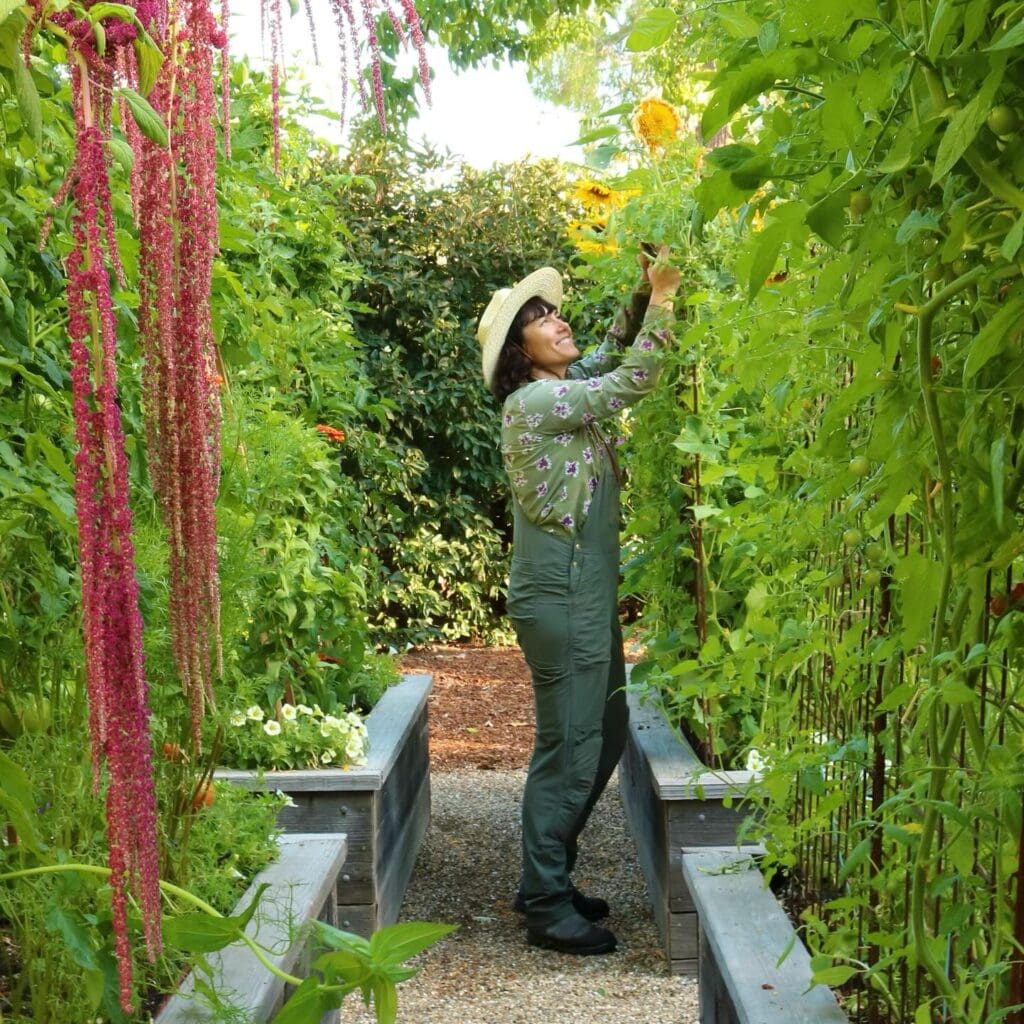
Penning says out of their 80 clients, about 15 take advantage of their vegetable gardening services.
“Vegetables are kind of our annuals,” Penning says. “We’ve had a really fantastic vegetable gardener and she’s been with us for about seven years. Over the past seven years, we’ve taken much more seriously.”
The company’s client base is 80% residential and 20% commercial. They specifically serve wineries on the commercial side. Penning says when these wineries were smaller, the owners would live on site and treat the winery as an extension of their personal house and a reflection of their personal taste.
“It’s treated more like a residence where it represents the taste of the owner rather than catering to a certain clientele,” Penning says. “We do lots of different styles.”
Penning says about half of their design/build customers convert over to maintenance contracts. Their designers emphasize native, drought-tolerant plantings and sustainable landscapes. He says a lot of the designs feed off the natural beauty of the sites.
He says they try to emphasize the need to conserve water in their designs, as the groundwater table is diminishing in their area.
Penning says they want to create long-term relationships with families and partner with them to transform their outdoor spaces.
Keys to Success
Penning says the changing market has been one of the major factors for their growth. He says homes are getting bigger as the location has become a high-end luxury destination for people to visit and to own secondary homes.
“There are people from Texas and Minnesota and Florida who have their second home here too,” Penning says. “It’s a second-home market that really draws. Most of the second-home people are from San Francisco, but there are a lot from other places, too.”
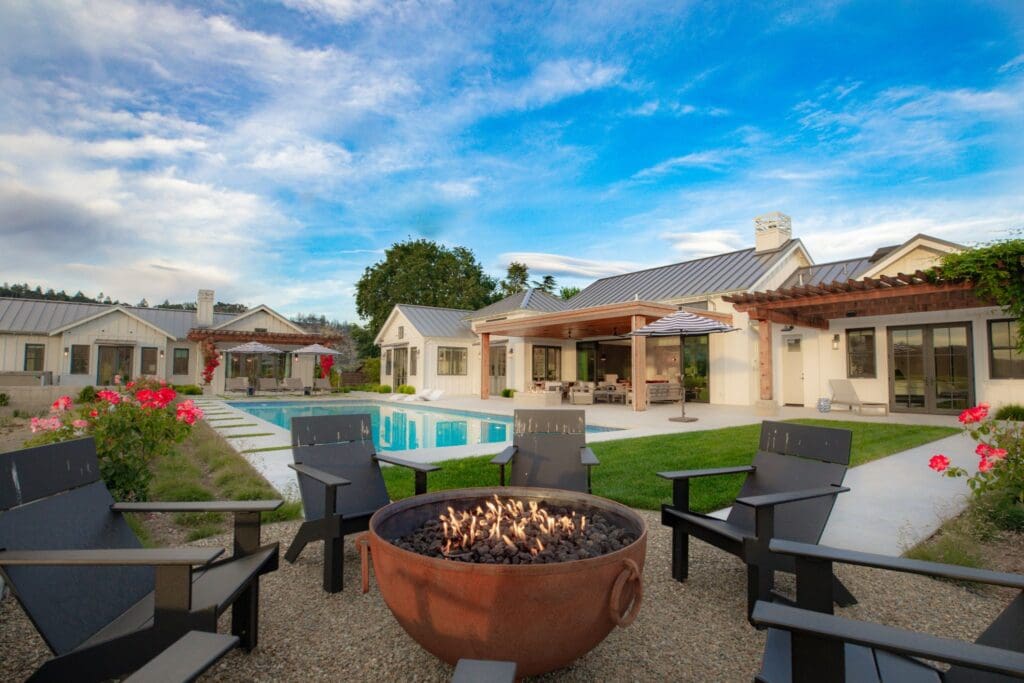
He says that separating their services out into distinct service lines has helped them as well. Years ago, they would lump them all together, but now they can identify growth targets for each service line.
A few years ago, they experienced 35% growth, mostly through construction work. Penning says normally, their organic growth is between 5 and 10%, but the past two years have been pretty flat. They are currently gearing up for another growth cycle.
“We’ve been building up our leadership team, investing in some processes and switching over to Aspire, getting on EOS,” Penning says. “We grew very quickly, and it exposed some of our weaknesses. Now we’re in a much better position, and we can take on more.”
Penning says they switched over to Aspire because they weren’t getting the information they needed out of their previous system.
He says they’ve also found a lot of value out of attending NALP events and participating in peer groups.
Addressing Growth Challenges
Penning says he’s always worked well with his father, but in the past, their work was much more siloed.
“That’s how we did it,” Penning says. “My dad and I ran separate books of business – designing, installing, project managing and then doing some maintenance account management also. We were basically working in parallel, not a ton of overlap or interaction for good or bad.”
Now, Penning says they’re at the stage where they’re growing and need better processes, more transparency, better KPIs and more communication.
“The real struggle has been switching from this owner/operator mindset, where he and I were just kind of both the boss and we’re both making decisions,” Penning says. “Neither one of us had the answer to anybody and we got along really well.”
Another one of the challenges Penning has had while growing the company is not having the right leadership team that is ready for growth and collaboration. He says he’s had to focus on creating an excellent leadership team.
A lot of their recruiting comes from word of mouth and Penning says they have a pretty good labor market. They work hard to retain their employees by having a strong company culture and being transparent about growth opportunities. They will often discuss development plans with their employees.
“Talk about future growth with people before they think about making a switch to a different company,” Penning says. “Have more of these conversations more frequently.”
He says as they grow, they are developing better processes to be more deliberate about their development plans. Similarly, Penning says they have to be very purposeful about communicating their company culture and values.
“That engagement, it’s not something that you can just wing,” Penning says. “There’s got to be a process for it.”
Click here to read more Level Up stories.
