If you had to sum up the plant trends for 2026, you might be better off saying ‘It depends.’ More specifically, what clients are prioritizing in their plant palette varies greatly depending on the region.
What is consistent is how clients’ plant preferences are being driven by their tolerance for maintenance, climate realities and how they want to enjoy their outdoor spaces.
Native and Drought-Tolerant Varieties
While in some markets the demand for native plants and drought-tolerant varieties is strong, this is typically driven by legislation, water restrictions or a desire for low-maintenance landscapes.
“We definitely have seen this as legislation increases and clients become more aware of water limitations in our region,” says Jake Leman, CEO of Singing Hills Landscape, Inc., based in Aurora, Colorado. “They’re asking for plants that tolerate heat, irregular watering, and shifting climate conditions. This also ties into the desire for lower-maintenance designs overall.”
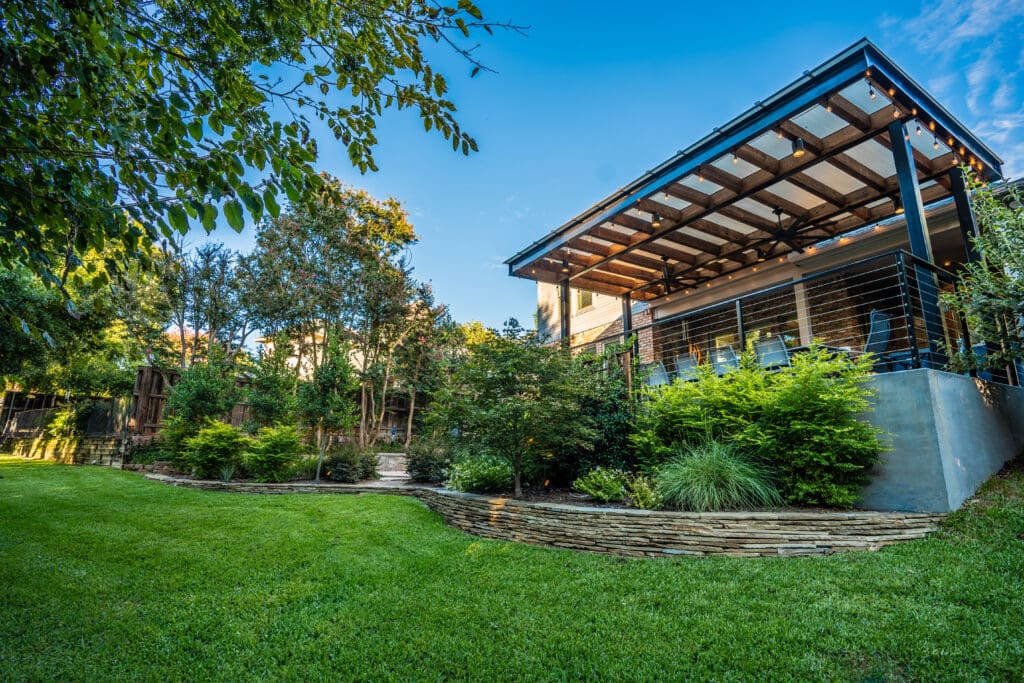
Tyler Bigham, principal lead designer for Alterra Landscape Design, based in Richardson, Texas, says he expects the demand for native plants to grow in 2026 as homeowners shift back toward more natural, organic landscapes.
“Clients are moving away from overly rigid, manicured designs and instead want spaces that feel relaxed, layered, and connected to nature,” Bigham says. “What’s driving this trend is that people want outdoor spaces that feel authentic, calming, and purposeful, not artificial.”
Tim McAuliffe, owner of The Outdoor Living Designer, based in Wilmington, North Carolina, notes natives and drought-tolerant plants are well-suited for their designs as it helps ensure the health and longevity of the landscape.
Yet other areas lack these environmental considerations. Tara Piergies-Baker, a landscape designer with The Addison Group, based in Nashville, Tennessee, says they are not seeing a desire for drought-tolerant plants at all in the middle Tennessee market.
“I have not seen in this market a big push for native plants at all,” says Piergies-Baker.
“Now, years ago, there was more of a push for more xeriscaping and more water-conservative landscapes. We were doing more natives, but it’s just not a concern in our market right now at all. I think that the buzz around natives and even pollinator gardens has waned.”
Pollinator-Friendly Plants
In different parts of the country, requests for pollinator-attracting plants have either plateaued or decreased. Dan Waters, owner of Creative Environments, based in Tempe, Arizona, notes pollinator gardens were popular in the post-COVID time period, but he hasn’t seen increased interest lately.
Nick Berger, a designer with Hidden Creek Landscaping, Inc., based in Hilliard, Ohio, notes that most of the time this feature is very client and project-specific.
“Some clients are looking for native, meadowlike planting schemes where pollinator plants are prevalent,” Berger says. “Others are looking for a formal, classic style planting which doesn’t allow for much opportunity there.”
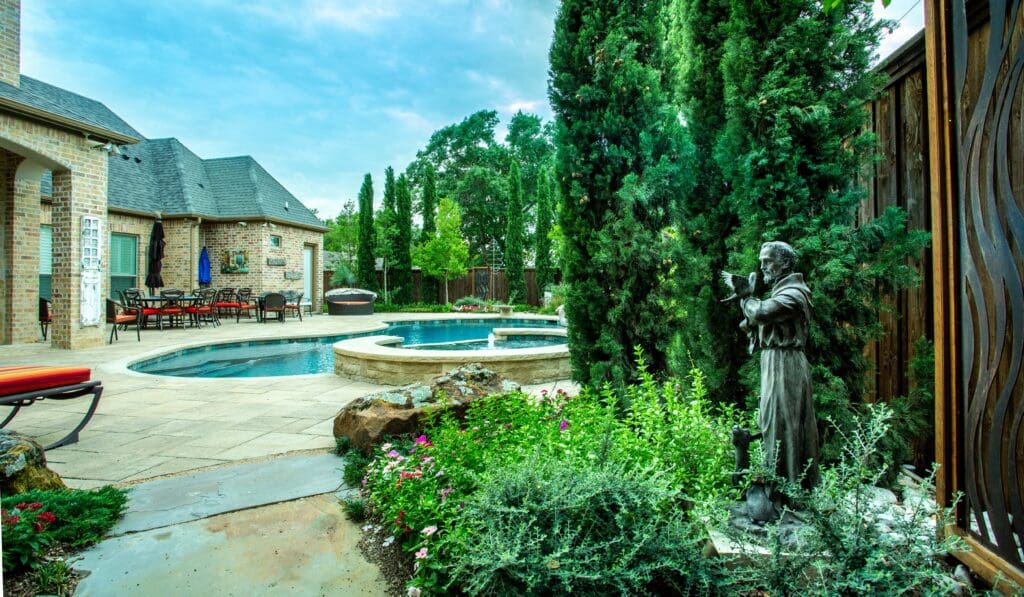
Bigham adds that often clients prefer low-maintenance landscapes and are cautious about attracting bees or other insects.
“At Alterra, we try to educate them that bees aren’t interested in people; they just want the flowers, so pollinator-friendly plants can be safe and beneficial additions to a garden,” Bigham says.
Leman says they’ve seen small properties in particular lean away from pollinator plants as they worry about the proximity of insects to outdoor living spaces.
“In certain types of propertie,s we continue to see rising interest, especially when homeowners understand pollinator plants can be both beautiful and functional,” Leman says. “Many clients appreciate that these designs support local ecosystems while creating more dynamic, seasonal gardens.”
High-Demand Plant Traits
Some of the commonly requested plant traits include low maintenance, deer-resistance and dwarf sizing.
“Homeowners are looking for low-water, drought-tolerant, and disease-resistant varieties that stay healthy with minimal effort,” Bigham says. “Dwarf or compact plants are also popular because they’re easier to manage and fit well in layered, naturalistic landscapes.”
Additionally, clients are looking for plants that are resilient. In McAuliffe’s case, he focuses on salt and wind tolerance for coastal properties. Leman says they also have homeowners who want plants that can thrive in harsher changing climates.
“Clients want landscapes that stay manageable in size and don’t require constant intervention,” Leman says.
Containers and Edible Gardens
Another trend that varies depending on the region is the desire for container plantings or edible gardens. Berger says in their case, their clients view containers as a maintenance item.
“Through COVID, it went crazy,” Waters says. “I would say 50% of our clients through the COVID period, container gardens were on the list, and now I’m seeing far less of that. That has definitely slowed.”
Meanwhile, Bigham expects to see container gardens rise in popularity as their customers see growing a few plants in a pot as far more manageable than a large, high-maintenance garden.
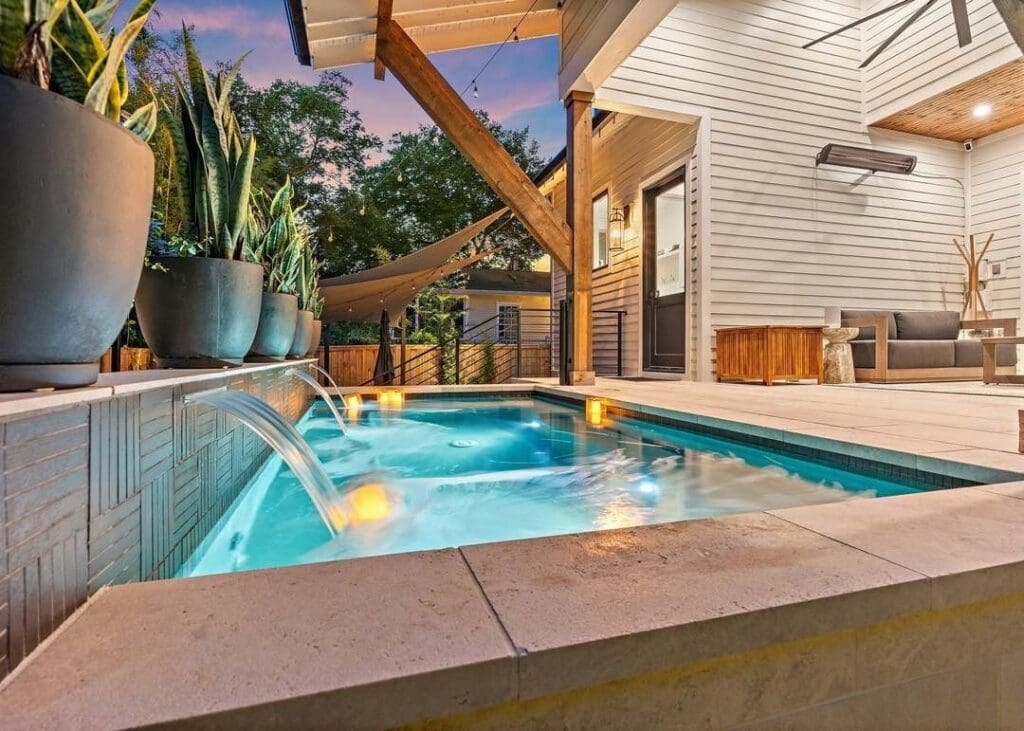
McAuliffe also expects container gardens to boom as they can provide low-maintenance color and fragrance to outdoor spaces like front entries to patios. Leman says as properties have gotten smaller in their market, containers are a good tool for adding color or structure in strategic locations.
“I’ve been seeing that, and we’ve been accounting for that on the design side by through running irrigation in them on a separate zone, which is really important,” says Piergies-Baker. “I’ve noticed a lot of interest, definitely an elevated interest in container gardening, not just for annuals either. I can put some herbs in there. I can put some tomatoes in there. I definitely think that whoever is marketing for big containers, they need to push forward because there’s a real want for them in the market.”
With edible gardens and raised beds, this is another client-specific feature for most landscape companies.
“This requires a client that wants this option to work themselves, so we have always offered to create a garden planter for the opportunity to have this, but it is important to educate the client on the pros and cons of doing this type of installation, as it is not for everyone,” McAuliffe says.
Leman says they’ve typically found clients like the idea of harvesting at home, but actual use tends to be sporadic. On the flip side, Piergies-Baker has seen a major shift towards edible gardens and investments in high-end greenhouses.
“People are thinking, especially people with children, that they want the experience of actually going out and harvesting themselves,” Piergies-Baker says. “For the past 10 years, I’d say people were all ‘low maintenance, low maintenance.’ That’s kind of gone by the wayside a little bit, especially in these garden spaces. They actually actively want to be out there with their kids. They’re looking at it from a wellness perspective.”
The middle ground for clients interested in this trend is adding in a few specific edible plants to the landscape.
“There’s definitely interest in a pot or two with herbs or vegetables, which feels manageable and adds a functional, personal touch to their outdoor spaces,” Bigham says.
Waters says he’s seen an increased desire to incorporate different edible plants, such as citrus or pomegranate trees, in his area.
Color Schemes on the Rise
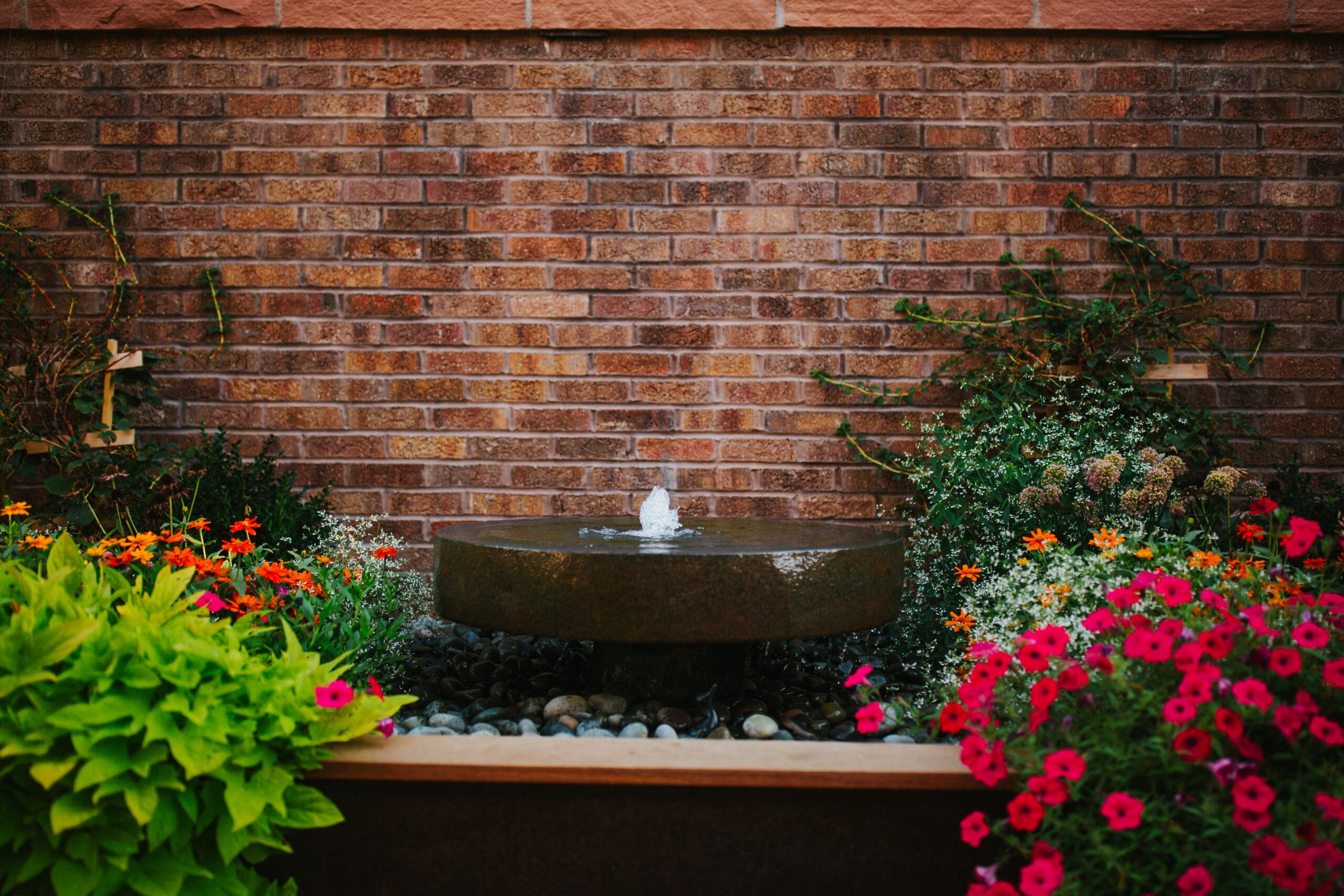
As far as plant color palettes, things are heating up for 2026 with more of a concentration on warm colors.
“I’m seeing a really interesting trend toward warmer colors, because it’s been a long time, especially salmons and sunset colors, still nice balance with green, but definitely seeing more color in general,” Piergies-Baker says.
Bigham agrees that bold, vibrate colors will be trending.
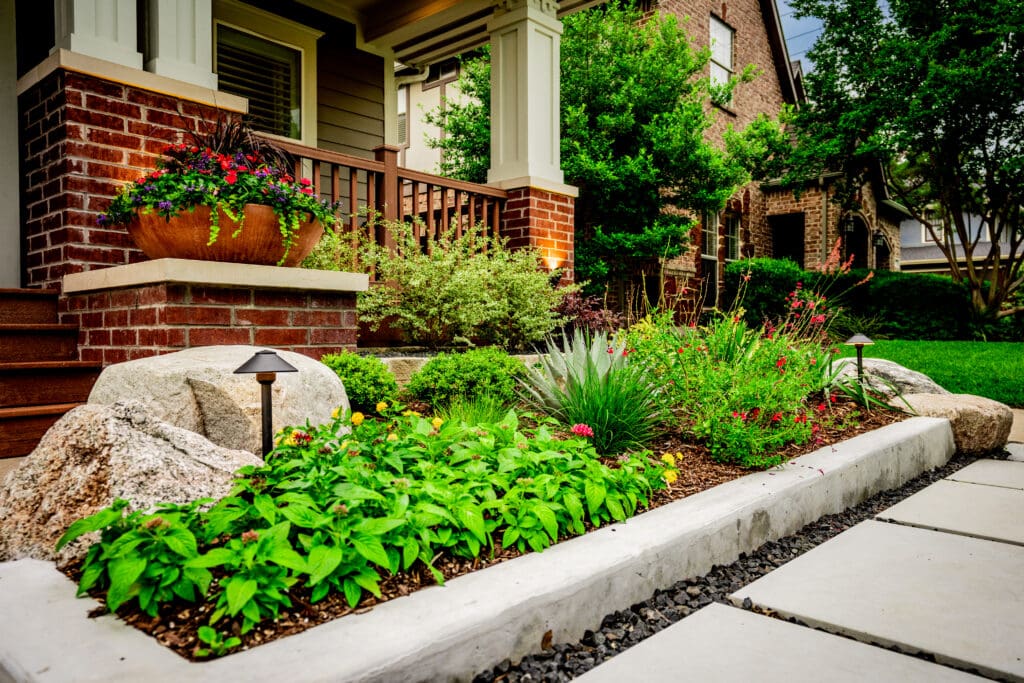
“Homeowners are looking for plants that make a statement,” Bigham says.
Both McAuliffe and Leman predict warm, earthy tones such as rusts, terracottas, deep greens and muted purples being popular.
“Clients appreciate palettes that look good year-round rather than relying on a single seasonal pop,” Leman says.”
Ironically, Pantone’s Color of the Year for 2026 is Cloud Dancer, a lofty white neutral color. Most landscape companies say they don’t take this color into their design considerations.
“Instead, we really get to know our clients and the colors that reflect their lifestyle,” Bigham says. “From our experience, we also understand which materials and colors perform best in the Texas climate, so we guide them toward choices that are both beautiful and practical.”
McAuliffe says he does like to use the trending color for flexible elements that can be easily swapped in the landscape, such as seasonal annuals or outdoor furniture cushions.
“We would use the color on our website, social media, and in brochures to signal that our firm is modern, forward-thinking, and up to date with the latest trends,” McAuliffe says. “Project photos in marketing materials could subtly feature the Pantone color to catch the eye of potential clients who are also aware of the trend, linking our designs to the current style.”
Key Takeaways
- Plant trends in 2026 are highly regional. Demand for native, drought-tolerant, and pollinator plants varies widely based on legislation, climate, and local priorities.
- Low maintenance remains the top driver. Interest is growing in manageable options like containers, herbs, and edible trees, while full-scale edible gardens remain client-specific.
- Color is warming up. Earthy, sunset-inspired palettes and bold statement plants are gaining traction over cooler, minimal schemes.