

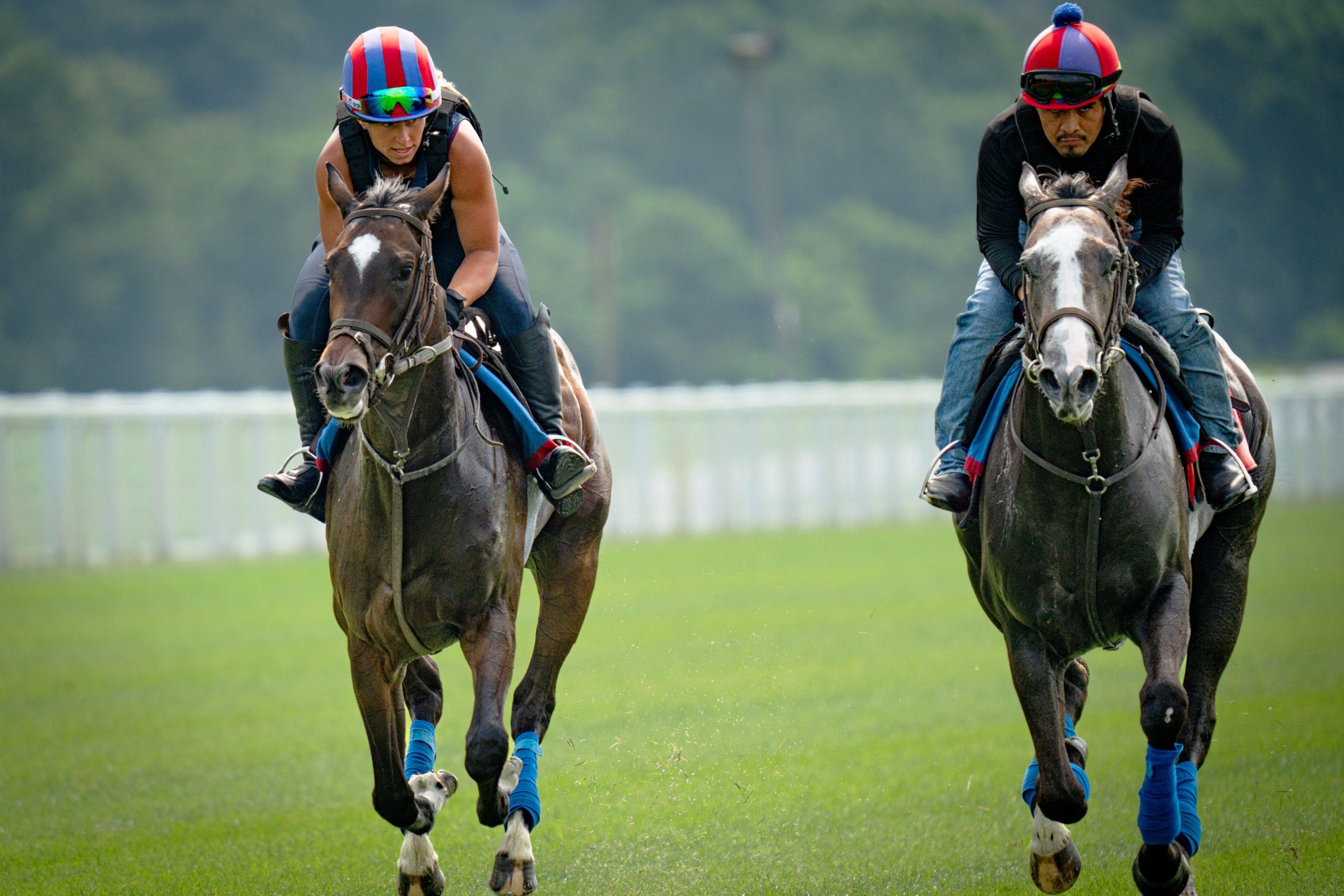
For five years, the Fair Hill Racetrack in Elkton, Maryland, was preparing for its first horse race. In 2024, their vision became reality as they hosted the Maryland 5 Star. Less than a year later, the turf track saw its first racing action. The groundwork for those events began in 2020, when Ruppert Landscape, based in Laytonsville, Maryland, was brought in to establish and maintain the site for future races. From the turf tracks to the landscape beds, they oversee the entire property. Their efforts led them to win a 2025 Gold Award of Excellence.
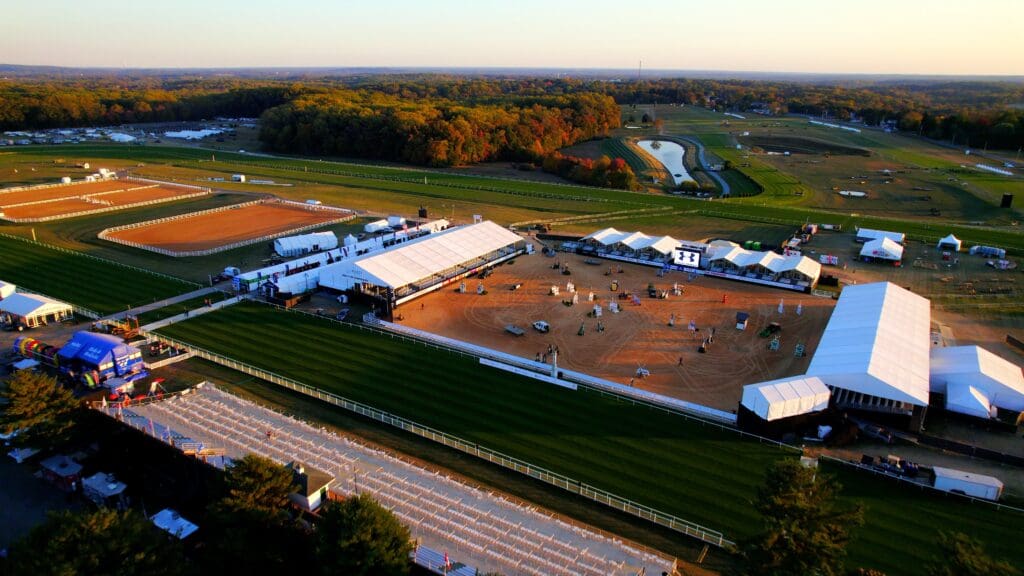
“This award means a lot to me personally because Fair Hill isn’t just another property,” says Martin Sanchez, branch manager for Ruppert. “I’m on site almost every day, and our team has poured years of focus and care into this place. It represents long hours, constant adjustments, and the pride we take in getting the surface exactly right for the horses and riders. It also speaks to the strong partnership we’ve built with the Maryland Department of Natural Resources and the trust they place in us. To see that work recognized at this level is incredibly rewarding for all of us.”
The venue was built in 2019, and a major challenge was establishing the turf in time for the 2024 Maryland 5 Star. This gave Ruppert four years to learn the unique needs of the property.
“One of the biggest learning curves was understanding turf performance through the lens of equine athletics,” Sanchez says. “This isn’t just about aesthetics; it’s also biomechanics, safety, and consistency under extreme impact. We had to adapt to managing a sand-based system that requires intensive fertility and irrigation programs throughout the year. The level of testing, coordination, and precision here is unlike a typical maintenance property.”
During those years of preparation, Ruppert used a rigorous program to monitor and adjust the various turf areas. Monthly testing was used to measure firmness and compaction levels. Soil profiles were analyzed, and plant tissue was also tested. As data was collected, the team could pivot their approach to prepare for the different types of racing that would soon take place.
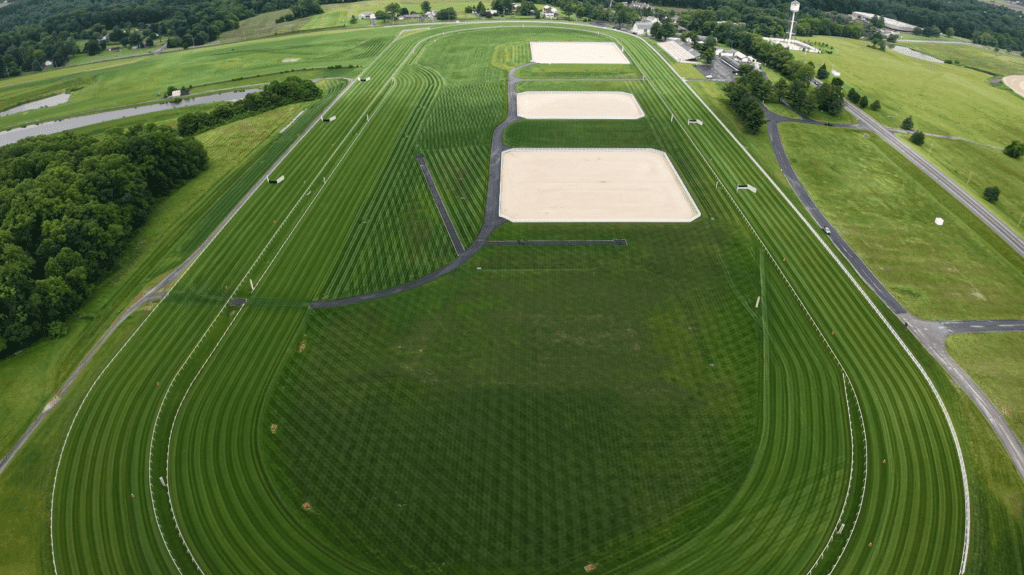
Today, the site features an oval turf track, a timber track, and a native-soil infield. From a maintenance standpoint, the sand-based Kentucky bluegrass track is the most challenging. Drainage isn’t an issue, but the sand’s ability to hold moisture and nutrients makes it tricky to manage.
“A horse’s foot can exert tremendous force at full speed, which means small inconsistencies in firmness or moisture can impact safety,” Sanchez says. “We’re constantly monitoring, testing, and making real-time adjustments to keep the surface race ready.”
Irrigation also poses a challenge, as water is sourced from on-site ponds that have fluctuating water levels. When a drought occurs, Ruppert works with the track management to bring in additional water and adjust the irrigation schedule to use their limited resources efficiently. They also have access to well water that can be used as needed.
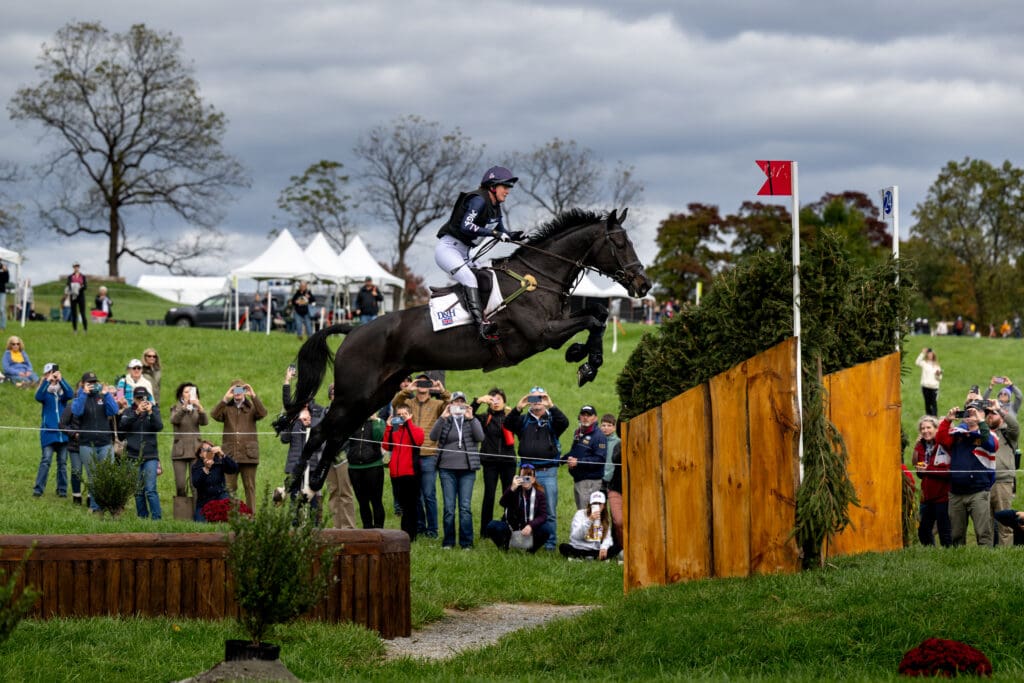
For the first couple of years, lightning frequently damaged the system’s decoders, causing outages. A monitoring platform is currently being used to alert the team to any problems. When outages occur, Ruppert uses decoder replacements to resolve the issue until a long-term solution is implemented. The system has 122 zones, and each of them is monitored with a mobile platform. On each racing track, moisture meters are placed every 300 feet to measure firmness, compaction, and hydration.
From the horses to the riders, there’s a fine balance used to serve each group. An example is the turf height, which should be 4.5-5ʺ to reduce the turf density and minimize disease risk. But the riders prefer a height of 6-7ʺ to provide extra cushion for the horses.
“Beyond adjusting turf height, we modify mowing schedules around workouts and leave the turf slightly taller before training, then mow afterward to protect plant health,” Sanchez adds. “We also perform post-workout divot repair and rolling to restore uniform footing. During active training periods, we increase moisture testing and fine-tune irrigation daily to maintain the right balance between cushion and stability.”
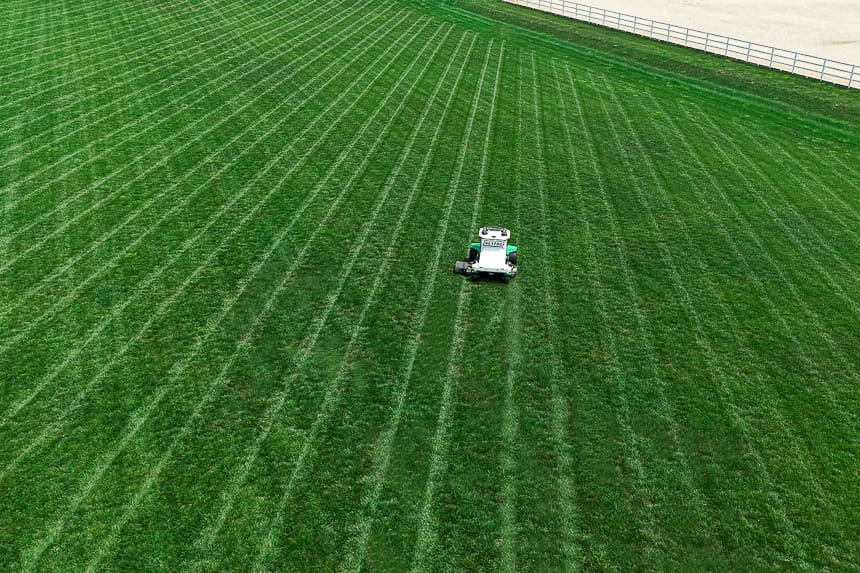
In a typical season, the turf goes through three phases: preparation, performance, and recovery. Over 18 fertility and treatment applications are done each year, along with regular moisture monitoring and compaction testing. The focus shifts to event prep in the weeks leading up to the Maryland 5 Star, the largest event of the year. Once that event is finished, the team begins aerating, topdressing, and reseeding the high traffic areas. Due to the site’s high demands, Ruppert has four full-time team members and two robotic mowers to handle daily tasks.
Every property has its challenges, but Fair Hill stands out.
“The high standards and international profile leave zero margin for error,” Sanchez says. “It’s one of only seven 5 Star event sites in the world, so the turf has to meet elite performance expectations while looking broadcast-ready. Managing more than 100 acres of turf, multiple track surfaces, and major event logistics adds another layer of complexity. It’s a rare combination of agronomic science, event coordination, and public visibility.”
Interested in participating in the Awards of Excellence? Enter your projects by July 31, 2026.