

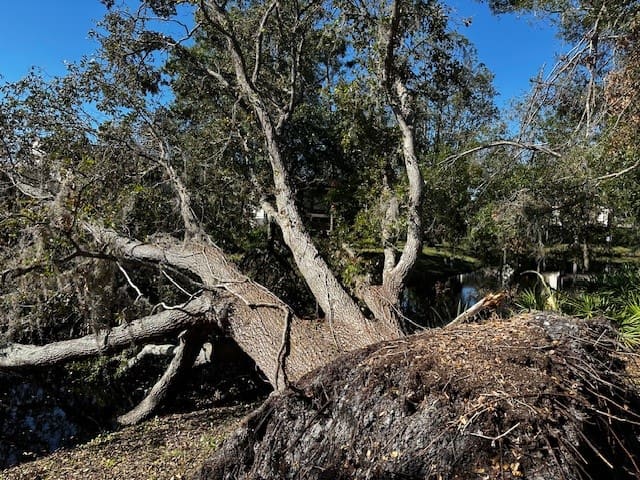
The Southeast was severely impacted by Hurricane Helene’s landfall on Sept. 26 and Hurricane Milton following shortly after on Oct. 9.
As a Category 4 hurricane, Helene caused extreme flooding and power outages as it moved up through Florida, Georgia, Tennessee and the Carolinas. Milton initially started as a Category 5 hurricane but was downgraded to a Category 3 before making landfall.
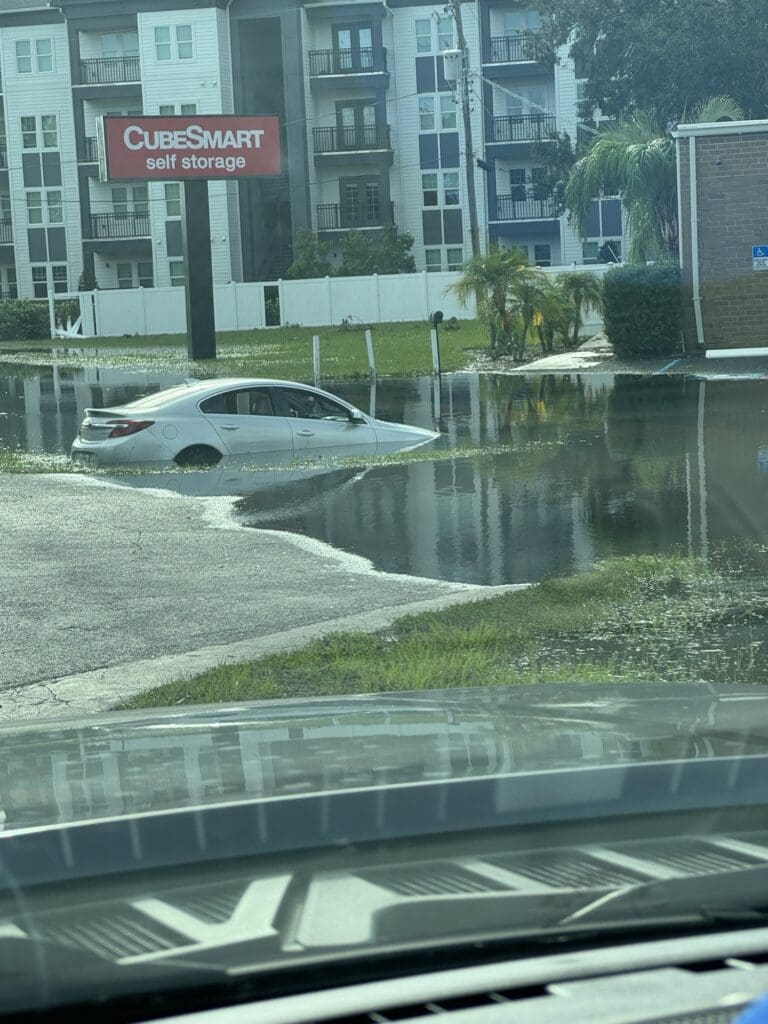
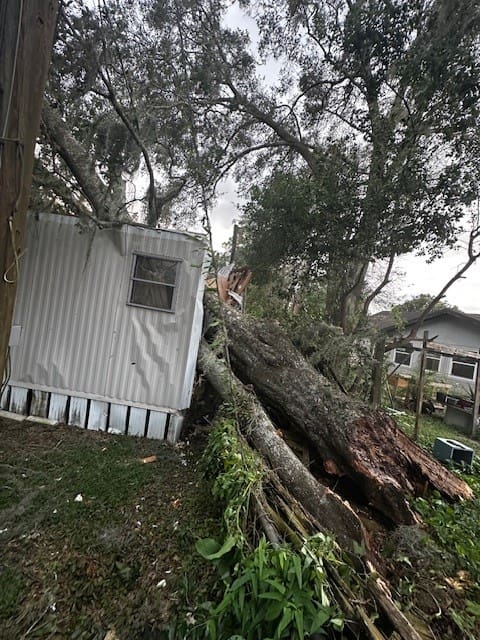
Milton was the first hurricane to hit the Tampa Bay region in over a century. This hurricane caused at least 46 confirmed tornadoes in Florida as well as severe flooding, storm surges and power outages.
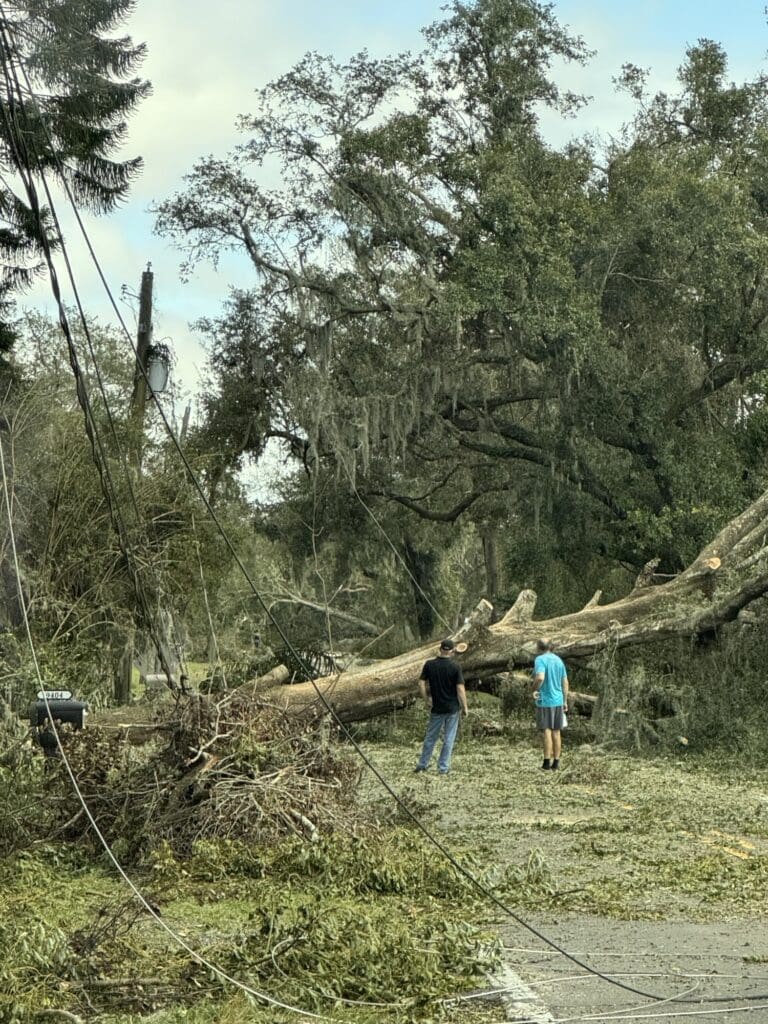
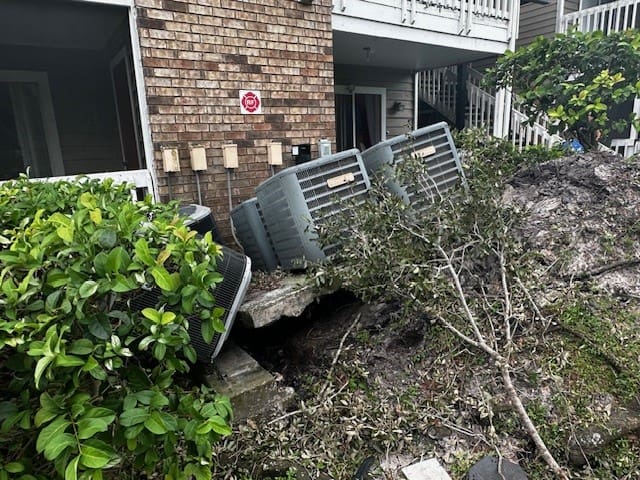
Nestor Nazario, general manager for Landscape Workshop’s Tampa Bay area branch, says every single property they maintain has been affected in one form or another by the hurricanes.
“When you take that kind of wind pressure with a saturated area, the root systems on the trees are just basically sitting in soup,” Nazario says. “It didn’t take a whole lot to have a lot of damage.”
He notes that Milton was particularly devastating as the communities were not done with their cleanup and recovery from Helene yet.
Impact on Companies and Employees
The recent hurricanes also impacted local landscape companies and their employees. Joe Chiellini, president and CEO of ASI Landscape Management, based in Tampa, Florida, says that their headquarters experienced a little bit of structural damage and they have a lot of palm trees down, but most of this damage came from the tornadoes Milton created.
Chiellini says their biggest issue after the storm was losing power for six days.
“We prepped and we thought we did the right things, and we really did, as far as securing items and so forth,” Chiellini says. “But we don’t have a generator at our headquarters.”
While their trucks, equipment and on-site fuel tanks were filled before the storm, they quickly ran into the issue of being unable to access the fuel in their on-site tanks without electricity.
“We had 4,000 gallons of fuel sitting there, and we couldn’t get it,” Chiellini says. “But our team is amazing, and we were able to wire it and get some stuff going with a mobile generator, so we were able to make that happen.”
Chiellini says that fuel was a commodity for about seven days.
Nazario says one of their two branch locations in the area was impacted by the hurricane. The building had some roof damage and minor water intrusion, but they could still work out of it.
Landscape Workshop operated without power for about a week. Nazario says they had generators and battery chargers to still charge their phones and tablets and communicate with their clients.
Both companies had team members who were affected by the hurricanes to varying degrees. Chiellini says he lost his house in the storms.
“We’re owning it, and we have a rental, and we’re seeing what the next steps are, whether we tear down and rebuild or whether we raze our house,” Chiellini says.
Some ASI employees lost power, while others experienced flooding and were trapped in their homes for three days. Chiellini says they provided generators, fans and food to their impacted team members.
“It was a third-world country for three days,” Chiellini says.
Nazario says they found hotels and Airbnbs to house their displaced employees, and they’ve lent company vehicles to other team members who had their vehicles flooded. He says they’ve given their employees all the time they need to handle these personal tragedies.
“We had people who lost everything in their homes,” Nazario says. “We had people whose lives were just upside down because they had to evacuate, and when they came back to their homes, everything was gone. It’s been a crazy ride these last couple of weeks because we’re in the service industry and we’re doing everything in our power and moving resources and assets around to take care of our customers. At the same time, while doing that, we’re also trying to take care of our employees.”
Responding to Client Needs
Landscape Workshop has been taking a three-step approach where their team is focusing on emergencies first like removing trees blocking roads or those on top of buildings or vehicles. The next step is collecting the tree waste into piles, and the third step is gathering these debris piles with their dump trucks. Nazario says this allows them to touch clients a lot faster as they’re currently able to focus on high-priority tasks.
“At any given time since the start of the storm, we’ve had 44 commercial vehicles in the Tampa Bay area working seven days a week, non-stop, week over week,” Nazario says.
He says every day their efficiency and production have increased as other Landscape Workshop offices provide additional dump trucks and trailers, as well as extra employees and fuel, to help with the cleanup efforts.
“As we started this war of recovery, we’re getting additional assets, additional labor, additional fuel to be able to have more capacity,” Nazario says. “Because at the end of the day, outside of the psychological damage that people have, it’s all about capacity. How much capacity can you handle today and how will it equate to we just made somebody’s life a little bit better today?”
Chiellini says they’ve been focusing on helping their clients by cutting up and removing trees from buildings.
“This is a three-to-five-year ordeal,” Chiellini says. “This is not going away next week. This is a big storm that came through here, biggest one we’ve ever seen.”
Nazario says that cleaning up some of the properties has been very technically challenging as crews have to enter hazardous situations to remove some of the trees, but they have not had any accidents since starting storm cleanups.
Aiding the Community
Nazario says that while Landscape Workshop has been responding to their customers’ needs, many of their employees, including himself, have volunteered in community recovery efforts. He says they have done everything from delivering food and making sandwiches to helping with property cleanups for elderly individuals who couldn’t get wet furniture out of their houses. He says the local Rotary Club helps spread the word on who was in need.
“It’s really how you come together as a community that’s when you see the best of the people in the community when we have a disaster like we did,” Nazario says.
Chiellini says one way they’ve been working to support the community is by frequenting the local restaurants.
“A lot of these restaurants had to throw away all their food that was in their refrigerator, and now they got to restock,” Chiellini says. “That’s a hit you don’t even think about them taking, so little things like that you can do the community are the biggest things.”
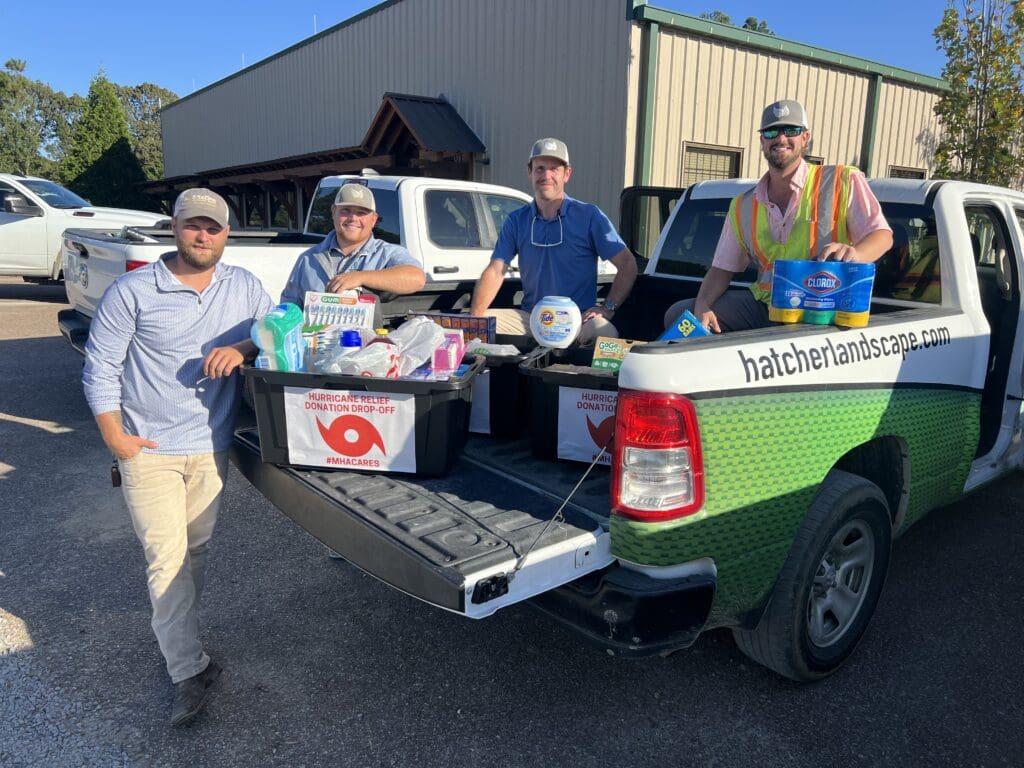
Even landscape companies that weren’t directly impacted have been finding ways to support these ravaged areas. Michael Hatcher & Associates employees donated essential items like peanut butter crackers, canned goods, laundry detergent and diapers to a relief effort led by Tanger Outlets Southaven/Memphis, Northwest Mississippi Community College – DeSoto Center, and the Southaven Chamber of Commerce.
“We saw their call for help and of course, we all personally felt the need to help, so we just put out the email to our team and said, ‘Hey, can you help?’ and people came forward,” says Ginny Shikle, communications specialist for Michael Hatcher & Associates, based in Olive Branch, Mississippi.
When word got out through the local news station about the collection, donations poured in to fill the semi-trailer. These non-perishable goods were delivered to Bristol, Tennessee.
Shikle says that they have employees whose family members were impacted in North Carolina and Florida and they were acting on one of their winning behaviors – love, respect and protect.
Ways to Support Those in Need
For those wanting to help these affected areas, Chiellini advises reaching out to the local authorities in the region to find out what the current needs are.
Nazario says they’ve been following the Rotary Club’s lead on what materials are needed.
“It’s been a huge community effort; we can see the light at the end of the tunnel,” Nazario says. “It almost looks a little bit like doomsday in certain areas, but the efforts are continuing there.”
Shikle suggests donating to organizations like the American Red Cross, Samaritan’s Purse and the YMCA of Western North Carolina, which has been feeding people and providing showers.
“If you can’t physically be there, just encourage your teammates to give,” Shikle says. “That’s what we’ve been doing, but follow your heart and do what you feel led to do.”
A Resilient Mindset
Despite these traumatic natural disasters, Nazario says they are planning to make an assessment of what they did right and what they could do better post-cleanup. He says the number one thing is to thank your people who helped you through it all. “Here in Florida unfortunately, these storms, they’re not going away,” Nazario says. “This is life. They’re getting stronger as the times go by so make sure that you continue planning for further capacity.”
Nazario has been moved by how the community has come together to help one another.
“The best thing about us is we live in a country where we take care of things,” Chiellini says.
Shikle also appreciates how these types of events draw people together.
“It makes me feel good as a human to know that people are willing to help others,” Shikle says.
