


As you lead your business, it’s easy to get caught up in what’s next and never pause to reflect on how far your organization has come.
“I do believe one should take some time to sit back and reflect on the accomplishments of a full year,” says Andrew Ziehler, owner and CEO of Ziehler Lawn Care, based in Centerville, Ohio. “Many times as business owners, driven by long-term goals and future plans, we forget to step back and consciously celebrate the smaller yet very important accomplishments along the way. My wife and I set multiple days aside per year for the business, as well as our family, for reflection and celebration, which really helps fuel the mind and body.”
Reaching or Exceeding Company Goals
Overall, the companies we spoke to say that 2024 was a good year for their businesses, and many either met or exceeded their goals for the year.
Gilly Artigues, president of Pleasant Places, Inc., based in Charleston, South Carolina, says they are on track to meet their revenue goal of $30 million this year and have exceeded their goals of branching out into new markets, both on the construction and maintenance side.
“You want to have a steady stream of revenue to justify opening up a branch,” Artigues says. “I think we’ve done that and we could justify now probably opening up two more branches in adjacent markets.”
Josh Wise, CEO of GrassRoots Tree and Turf Care Inc., based in Acworth, Georgia, says one of their goals was to invest in broker networks and expand with more franchise locations. They also wanted to keep customer retention at 82% and have a net growth of 15%.
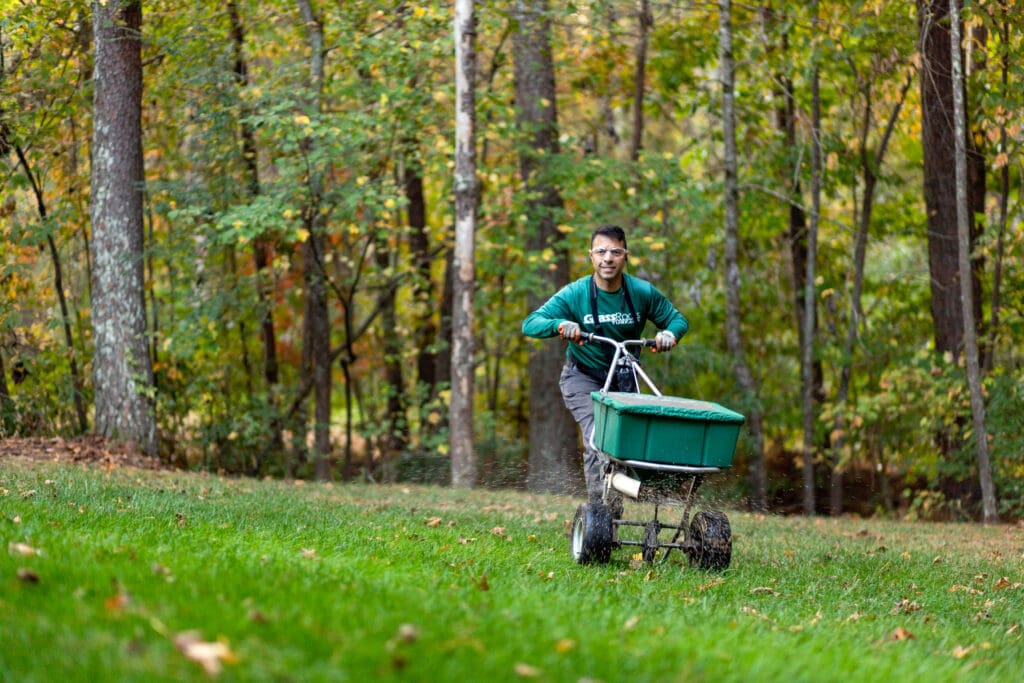
“We joined IFPG and FranServe to help market our franchise opportunity,” Wise says. “We have two more franchise locations opening; however, we have not opened in Texas yet. Our customer retention is extremely high at 88.3% and our net growth is 19.8%.”
Some of Ziehler’s goals include growing their leadership within, rebuilding their sales team from the ground up and reaching 16% revenue growth. He says they are on track with developing leaders from within and their sales team has exceeded their overall revenue goals. He says they are on track with their overall revenue growth.
Despite a slow start in February, March and April, Kevin McHale, principal of McHale Landscape Design, Inc., based in Upper Marlboro, Maryland, says they are on target and are looking for a slight increase in their top and bottom lines.
Gachina Landscape Management, based in Menlo Park, California, is on track financially, operationally and with employee development.
“I’m pleased with the performance of the teams this year,” says Tyler Stocking, director of business strategy and impact for Gachina. “It’s been very helpful to have these goals written down and focusing on them frequently.”
Jason Cromley, CEO of Hidden Creek Landscaping, Inc., based in Hilliard, Ohio, says they initially aimed for a 25% increase this year.
“As the year started, it really looked like everything was on point,” Cromley says. “We were hitting budgets, and then for some reason or another, we just got some really slow clients, and so we’ve had to re-forecast our budget. We’re not going to hit our target goal. We’ll still see an increase of at least 10% from last year, just not the 25% we were thinking.”
Cromley says while they fell behind in reaching their revenue goal, he says they’ve succeeded in their objectives of improving their software integration and sales training, which will benefit them going into 2025.
LEI Grounds Groomers, based in Houston, Texas, also set a 25% revenue increase, but founder Les Lightfoot says they are not where they hoped to be. He says the unpredictable weather presented significant logistical challenges, impacting their ability to pursue new business as aggressively as they had planned.
“Overall, while we may not have hit every target, the strides we have made in strengthening our operations and client relationships leave us confident in our path forward,” Lightfoot says.
Keys to Meeting Company Objectives
Wise says having a clear vision and mission for the company and making sure the right people are in the right seats has allowed them to reach this year’s goals.
“Our people and our culture drive the company’s success,” Wise says.
Artigues agrees that the commitment of their people has helped them succeed this year. He says the addition of several new estimators also benefitted them as they expanded into new markets.
“It’s important that, if you want to grow, you have to be able to get this pricing out quickly,” Artigues says. “Whether it’s an original RFP or a plan revision or a change order, you have to be able to churn these out or somebody else is going to.”
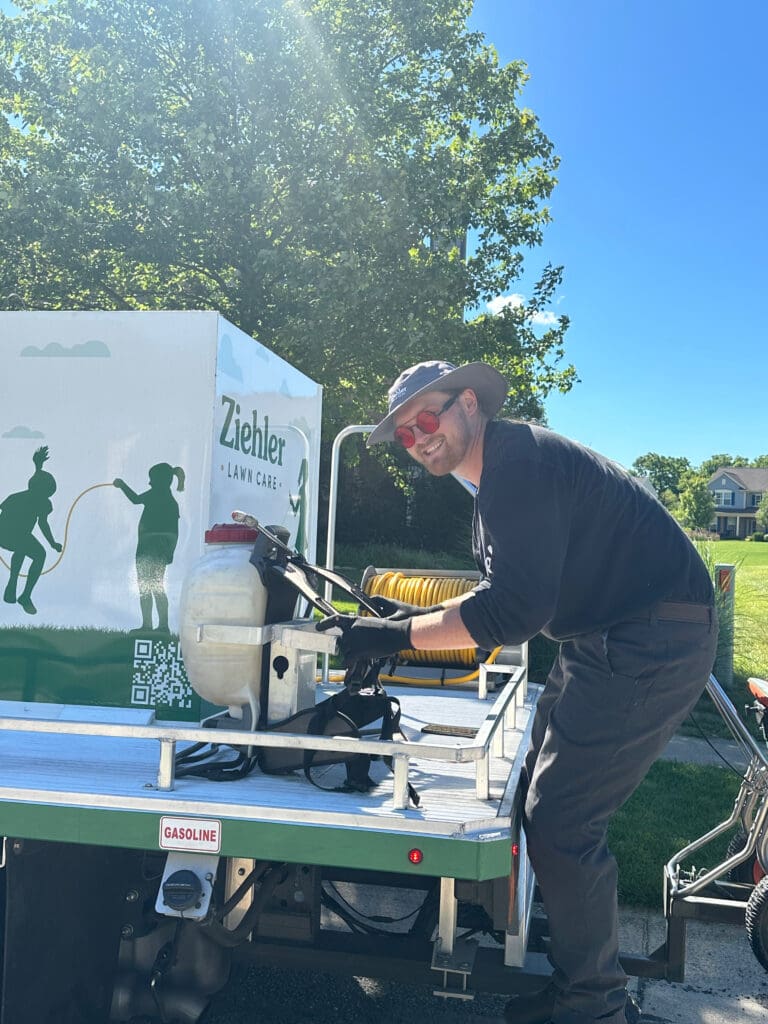
Ziehler says it hasn’t been new technology, a large acquisition, or special marketing that has helped them be successful.
“Our ability to achieve goals comes down to how well we execute at getting the right team in place at all levels of the business with a culture that supports our values, strategic direction and accountability towards results,” Ziehler says. “We have been working on this for years and will be focused on this piece for many years down the road.”
Similarly, McHale credits his forward-thinking team’s dedication, loyalty and hard work for allowing them to reach their goals.
“Reflecting on this year, a strong, committed team and clients who value our expertise turn even the toughest challenges into opportunities for growth,” Lightfoot says.
Stocking says developing the financial understanding and acumen of the operations teams as well as breaking down silos helped the company find successful solutions.
Dealing with Challenges
Some of the challenges that landscape companies faced this year included extreme weather, labor shortages and sales slowdowns.
Lightfoot says that this year’s intense storms in Houston pushed their operations to the limit, but their team adapted in real-time to the extended periods of rain.
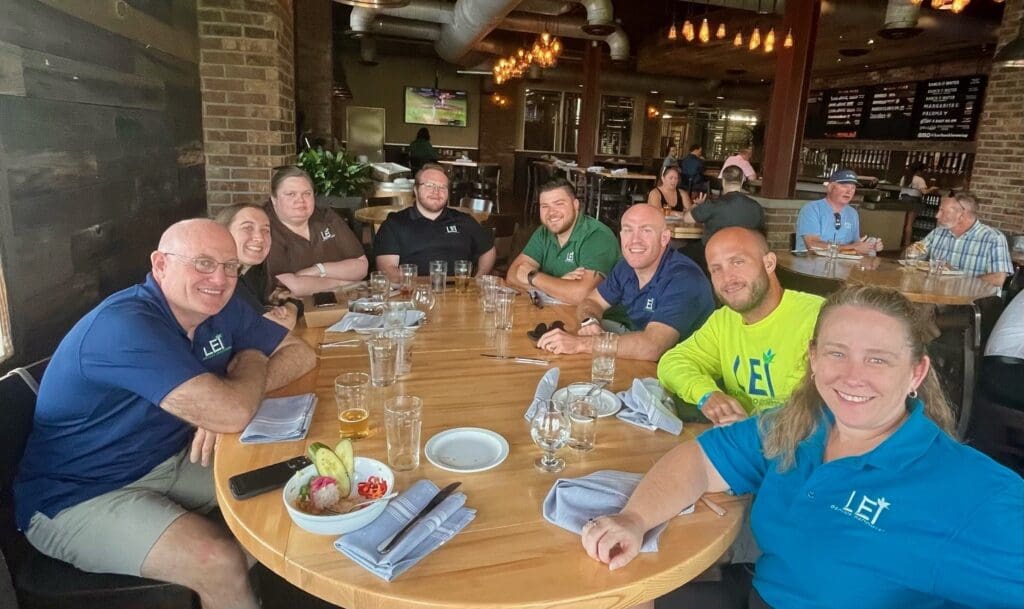
“The intensity of the storms disrupted our usual operations and required us to rethink how we manage schedules and resources,” Lightfoot says. “While it was a tough situation, it also gave us valuable insights into our processes and highlighted areas where we can improve. We have learned a lot about being more agile and proactive, which will help us handle similar challenges more effectively in the future.”
Meanwhile, McHale says they experienced unprecedented hot weather.
“We had several days of over 100 degrees in June,” McHale says. “It was hard on the landscapes and hard on our people. We had several shortened work weeks and work days due to the extreme heat. We exceeded budgets in order to perform drastically needed supplemental watering.”
McHale says while they’ve been able to stay fully staffed for most of the year as their maintenance division is growing rapidly, he expects recruiting talent will continue to be challenging.
Wise says labor shortages were their biggest issue as they operated understaffed most of the year. Cromley says they received their H-2B workers two months behind schedule. He says they tried to hire as many qualified candidates as they could, but they did not settle for just hiring warm bodies.
Lightfoot also says the labor market and the H-2B program continue to be an ongoing challenge for them.
On the sales side, Stocking says their biggest struggle has been growing their maintenance revenue.
“We are well prepared to take on new work,” Stocking says. “We are being underpriced by competition. We need to figure out how to effectively sell the value of our services at our pricing.”
Likewise, Ziehler says their closing percentage for new customer acquisition has made it difficult to grow their overall customer count at their preferred rate.
Cromley says he realized his sales team had become too transactional and less relationship-focused with the client.
“As you get bigger, that’s one of those things that you kind of assume that you’ve told everybody how to do it, but they don’t always do it,” Cromley says. “And then you’re this big, and you’re looking around, and your friends are calling you, like, ‘I haven’t heard back from your person in two weeks.’ I’m like, ‘Two weeks? It should be 20 minutes.”
He started investing in sales training to ensure they are not missing out on revenue dollars.
“We missed out on opportunities,” Cromley says. “If we would have done a better job with customer service, callbacks, quicker turnaround times, we could have closed more jobs.”
Plans for 2025
Despite these challenges, these lawn and landscape companies are optimistic for next year and have ambitious plans.
Cromley says that their investment in maximizing their software usage will put the team ahead for next year. He notes the efficiencies you gain in the field are not by a drastic percentage. A lot of it happens on the backend with the technology piece.
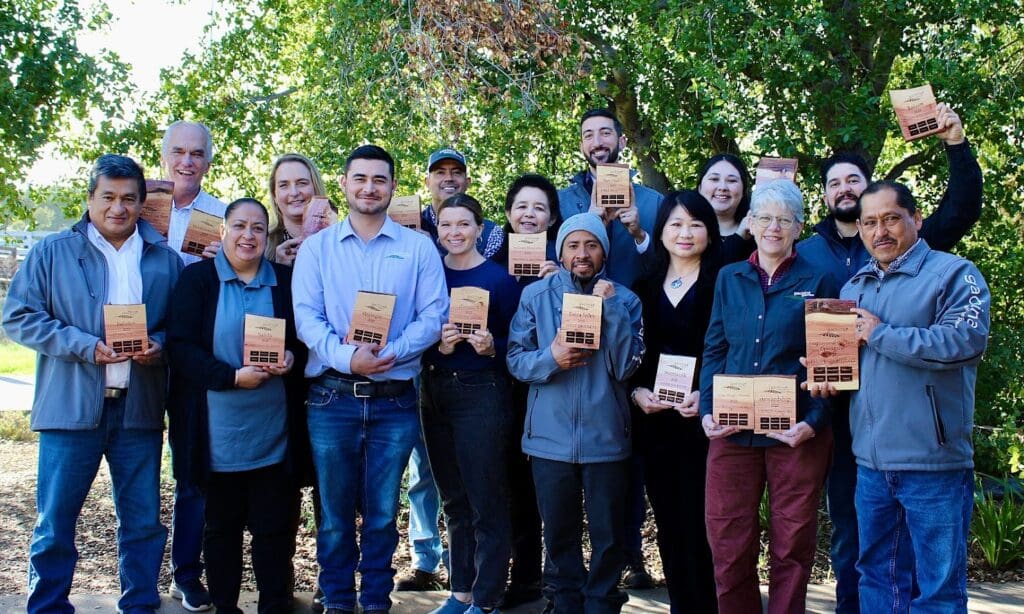
“Your morning rollout, your end of day closeout, your billing process, your sales process, how you get a contract turned in, how you get things ordered,” Cromley says. “That is where a lot of time and efficiencies are actually lost on the administrative side of things.”
He says their sales training efforts will also allow them to keep customers happy and investing in their landscapes.
“These last two years have been a reminder of you got to go back to your selling skills,” Cromley says. “You got to go back to what you started your company with. Never being complacent, never being too comfortable, always knowing that the people who hustle every single day, whether you’re ahead in the race or behind, you can never stop hustling to make sure that you’re putting forward your best effort. Your clients are watching even when you’re not looking.”
Wise says that he plans to open 7-10 new franchise locations now that they have several pipelines for franchisee growth. He also notes the one thing he would have done differently this year was to attend the Leaders Forum.
Stocking says he wishes they’d started their leadership/ financial acumen training in the 4th quarter of 2023, but he’s encouraged to set high expectations and goals again next year.
Ziehler says they plan to increase their growth rate in 2025 and will continue to invest in growing and retaining their team members. McHale says they are budgeting for 8% growth next year.
“We have consistently grown 5-10% annually over the last 10 years,” McHale says. “We also anticipate and are hopeful that we will close on at least one or two acquisitions in our market.”
Because of their success in new markets, Artigues anticipates they will be more aggressive next year. Pleasant Places plans to grow both their construction and maintenance services.
“I think the goal should get your attention when you announce the goal,” Artigues says. “I think people should sit up in their chair and go, ‘Wow, that’s pretty ambitious.’”
Lightfoot says their overarching goal as a company is to keep innovating and finding better ways to serve their customers and their team. In the last quarter of the year, they always ask these three questions to set specific targets for the next year:
- How do we increase the quality of our customers’ and employees’ experience?
- How do we best have clear communication so we set realistic expectations and keep everyone on the same page?
- How do we add value to our team and customers’ lives?
“The journey is as important as the destination, and by staying true to our core values, I am confident we will achieve our objectives by year’s end,” Lightfoot says. “With the dedication of our team and the trust of our clients, we are setting the stage for long-term success.”
This article was published in the November/December issue of the magazine. To read more stories from The Edge magazine, click here to subscribe to the digital edition.
