

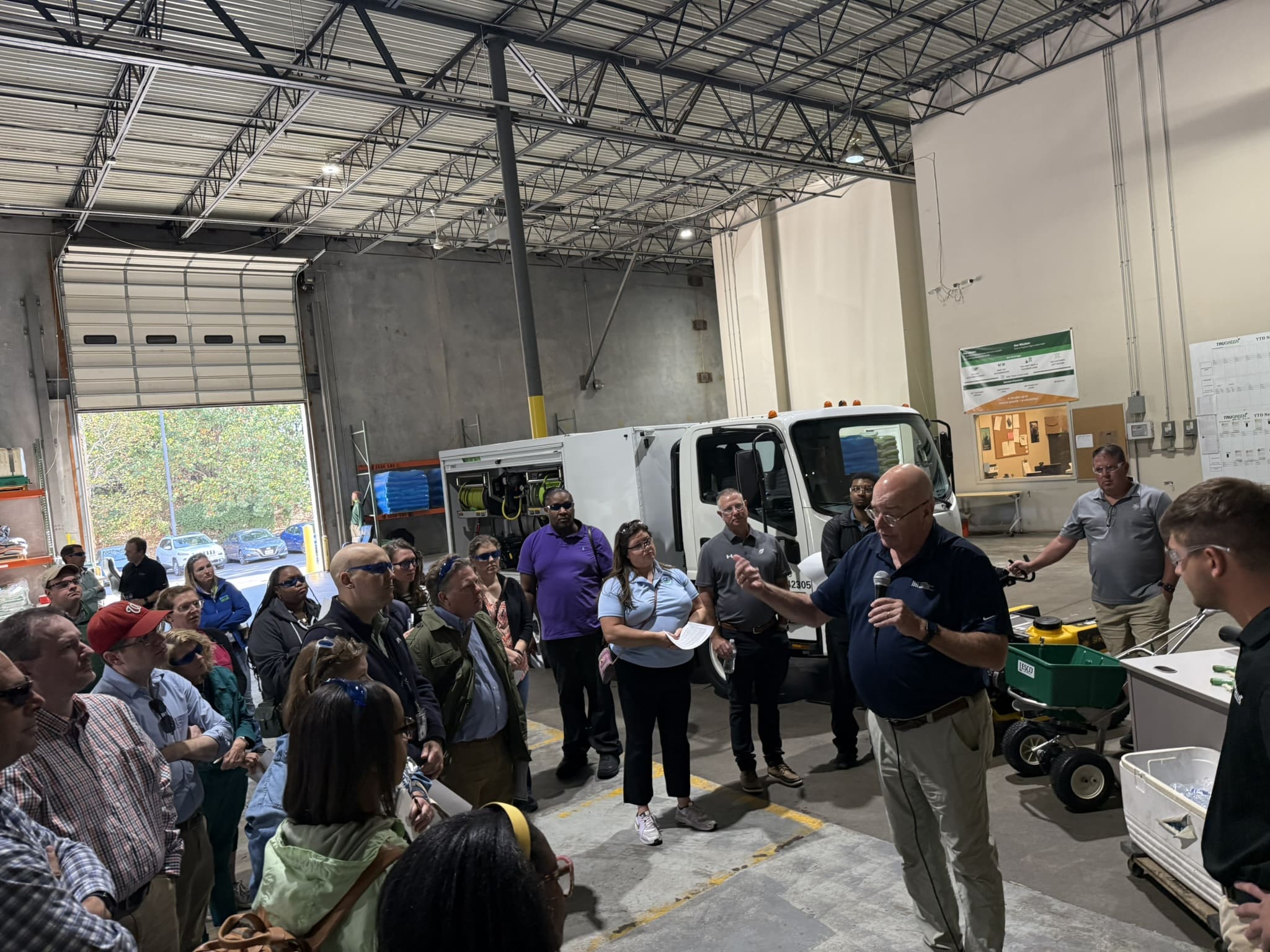
Federal regulators from the EPA’s Office of Pesticide Programs, the U.S. Fish & Wildlife Service and the Office of Pest Management Programs at the USDA all attended the National Association of Landscape Professionals’ annual Advocacy Field Trip on Sept. 9, 2025.
This event serves as an opportunity to educate and expand regulators’ perspectives on pesticides.
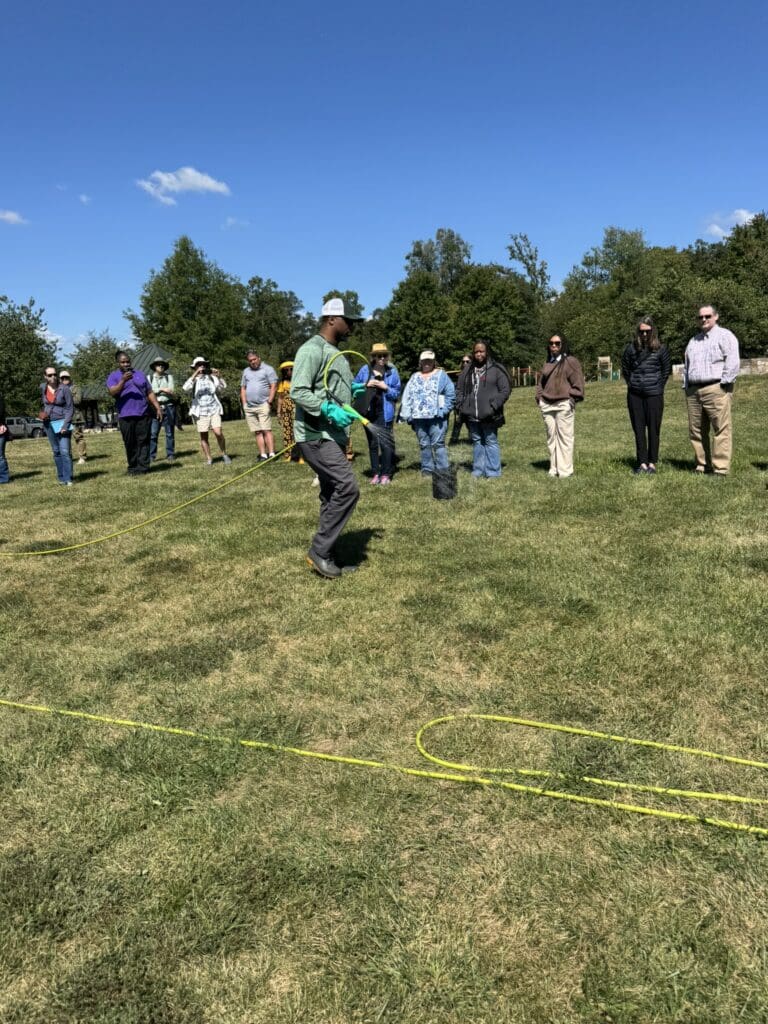
“Our guests are experts in their respective fields – toxicology, biology, law, etc. – but don’t necessarily have any expertise in lawns and landscapes,” says Bob Mann, senior director of regulatory and technical affairs for NALP. “We take this opportunity to tell our story, how we use pesticides properly and effectively.”
This year’s Advocacy Field Trip was held at TruGreen’s branch in Dulles and the Northern Fauquier Community Park in Marshall, Virginia. Past Advocacy Field Trips have been hosted at the Manassas branch office of Virginia Green Lawn Care and Weed Man franchisor Brandon Sheppard’s residence.
NALP member companies TruGreen and Weed Man assisted in helping educate the guests. Suppliers Steel Green and Stinger Equipment provided equipment to use during the demonstrations. During the event, NALP covered a wide array of topics including personal protection equipment, application equipment, equipment calibration, and demonstrations of application techniques.
These events are held annually because there are always new people who NALP can invite to attend.
“Now we’re beginning to see the results of prior field trip events in how our regulators view the services that we provide our customers,” Mann says.
By hosting these Advocacy Field Trips, NALP is fostering relationships with these different regulators, who now have a better understanding of how the lawn care industry operates and who to contact for further clarification as policies are developed.
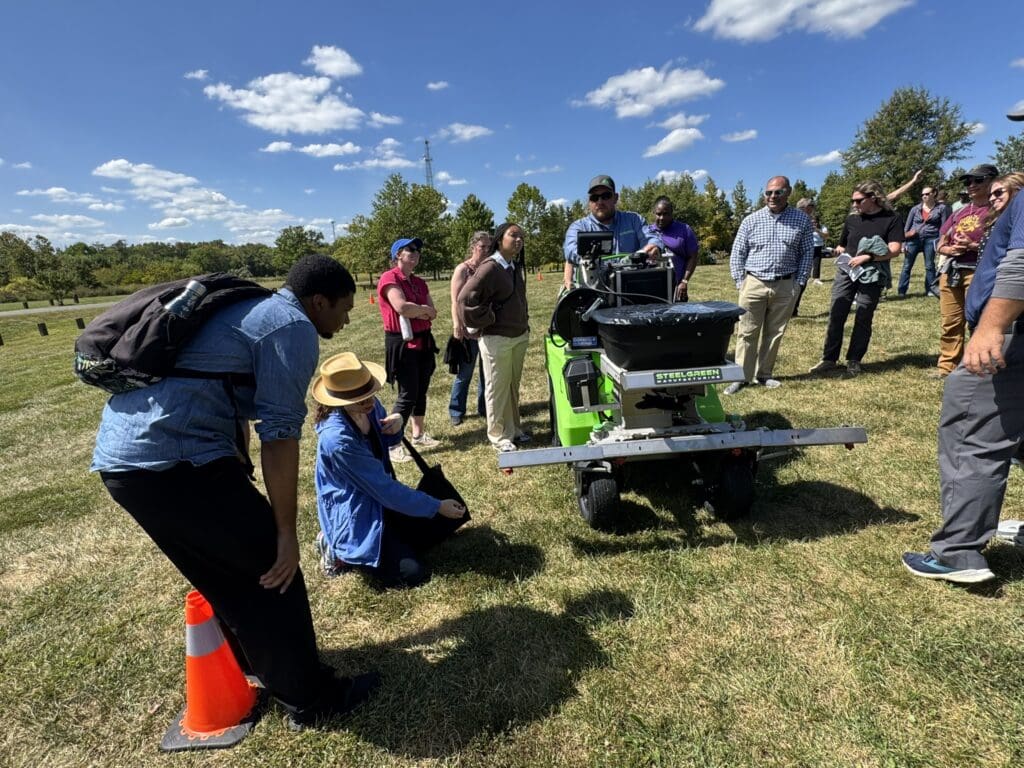
One recent example of this in action was when Mann was contacted by a scientist at the EPA’s Office of Pesticide Programs who had questions about the turfgrass transition zone. Mann ended up meeting with the Biological and Economic Analysis Division as they were trying to refine their models to accurately estimate the amount of the herbicide Atrazine that is used on turf.
Mann encourages members in the industry to get engaged in advocacy themselves, particularly those in states without preemption. Often anti-pesticide activists are seeking to ban the products LCOs rely upon to protect the health of their customers’ landscapes.
“We need members to engage in grassroots efforts in their communities, participate with our Government Affairs Council and be willing to speak and defend our industry,” Mann says. “Even if they have never done anything like this before, we know what that’s like because we were in the same situation not that long ago. We are invested in teaching and training our members to tell our story.”
