

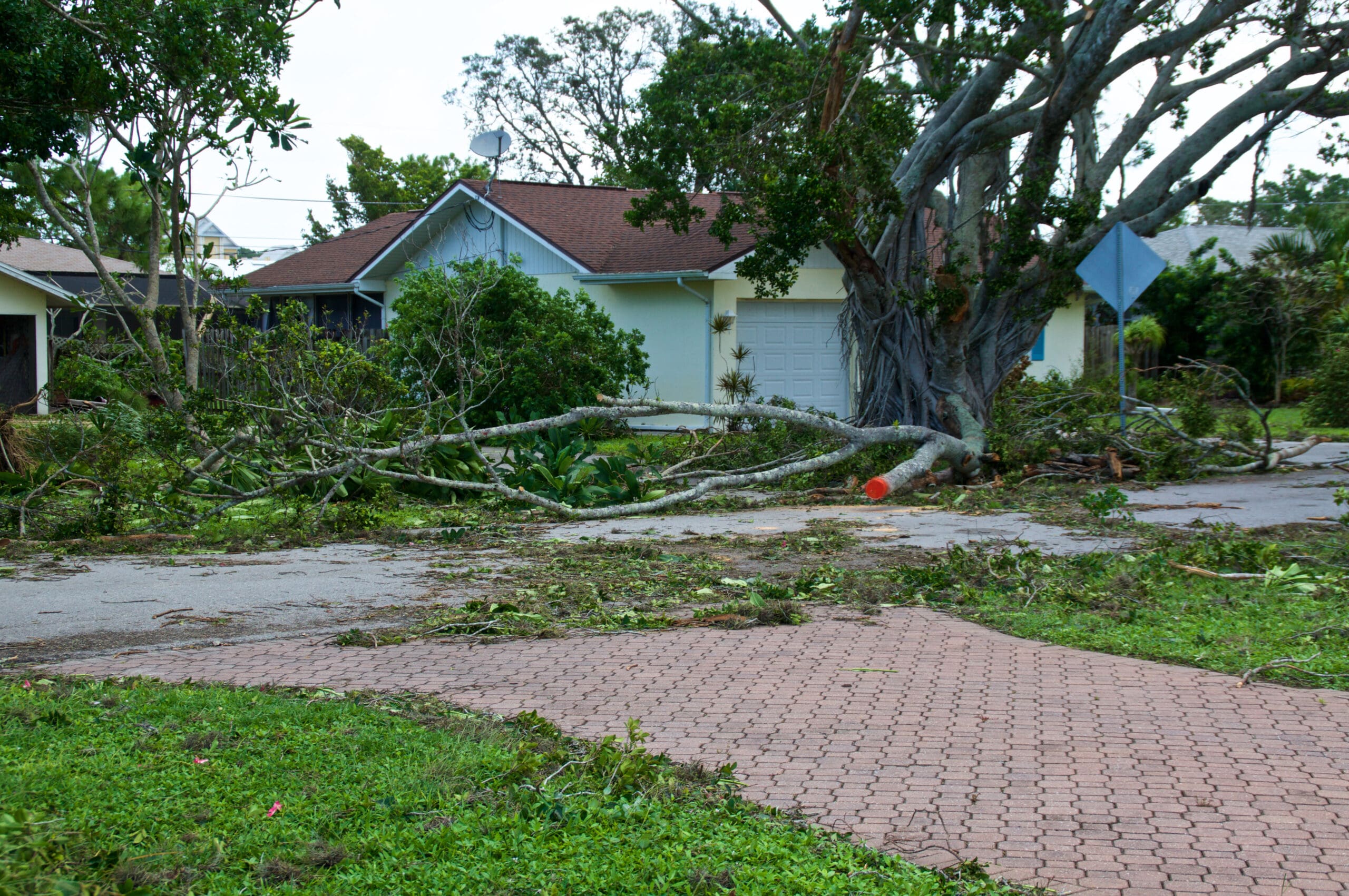
When you think about hurricane preparedness, you may be going over a mental checklist of water bottles, batteries and how to handle power outages. However, your clients’ landscapes shouldn’t be overlooked as they can be severely damaged if proper precautions are not taken.
The Atlantic hurricane season runs from June 1 until November 30. Even if you aren’t based in a coastal region, some hurricanes can continue inland and dump staggering amounts of rainfall in a short amount of time, causing flooding and damage to infrastructure.
Preparing Customers for Hurricanes
While you might assume everyone is aware of an impending hurricane, this isn’t always the case. Take the time to communicate to customers how they should be preparing their property and how the storm will impact them. Let them know about potential service delays or schedule changes as well as how they can contact you after the storm if their landscape is in need of serious cleanup.
You can help minimize damage by trimming your clients’ trees of any dead, damaged or diseased limbs before the hurricane. Evaluate all the trees on the site to see if there are any showing signs of weakness. Those with root rot can easily topple during a storm.
Another pre-hurricane maintenance task is swapping out gravel for soft mulch, as the small rocks can be picked up by the storm and damage windows or the siding of houses. Irrigation systems should also be turned off prior to the storm hitting.
As your crews are on the property, assess the site for other threats, like flimsy fences and drainage issues. Unstable fences can fail, while strong fences can help keep debris out of the landscape. With the influx of water, it needs a place to go, so gutters, downspouts, swales and storm drains should all be cleared of clutter. Minimizing the chance of standing water on a property will help prevent root rot from occurring after the hurricane has passed.
Let clients know they need to secure loose items outside like patio furniture, grills, planters and décor as these can all become projectiles in the high winds.
Preparing Your Business for Hurricanes
Because your staff will be one of the first businesses people will call on after a hurricane, it is critical to make sure your team is prepared and your assets are secured. Inspect your facility for weaknesses and test your sources of emergency power before the storm.
Establish a clear emergency plan that outlines procedures for your staff and maintain a list of key contacts with phone numbers and addresses in multiple locations. Make sure you have a backup server offsite with all your critical data in case your onsite servers become damaged by flooding.
Ensure your equipment and fleet are protected so they are ready for use after the storm. Create backup plans if portions of your fleet are down or if your own employees are impacted by the hurricane. You also want to review your insurance policies to make sure your business assets are properly covered.
Post-Hurricane Cleanup
After a hurricane has passed, depending on the level of damage they experienced, your clients will probably be eager to restore their landscapes to their previous state. However, cleaning up after a hurricane can be dangerous work, which is why it is important to keep your team’s safety top of mind.
Equip crews with the necessary PPE like hard hats, rubber gloves and waterproof boots as they handle debris and fallen trees. Trees can uproot underground utilities and tear down power lines, so ensure your team knows how to respond properly to electrical hazards. They should assume all power lines live and not touch them. They should also avoid flood waters as they are often unsanitary.
Before starting a cleanup job, crews should inspect the site for hazardous trees, structures or dangerous debris. Crews should create a safe work zone by setting a perimeter more than two times the height of the tree they’re working on.
Some of the issues you can expect to see include debris-filled yards, damaged trees and shrubs, erosion, washed-away landscape beds and poor drainage.
Clear the debris first to get a better sense of what damage has taken place on a property. Evaluate damaged trees and shrubs. Some can recover with careful pruning, while others may be too far gone. In the cases where you need to remove and replace plants, opt to install salt-tolerant varieties and more wind-resistant trees. Also, plant replacement trees in places where they are less likely to damage homes or other structures.
Hurricanes can cause serious soil erosion, so your team may need to restore the level surface with fill dirt and then add a layer of topsoil. The storms can also wash out a client’s landscape beds so their landscape beds will require new mulch.
Take note of the sections of the yard that have standing water, as these can indicate an area where a drainage solution should be introduced.
As you help your customers prepare and respond to hurricanes, you can help strengthen your relationships and ensure a smooth recovery.
