

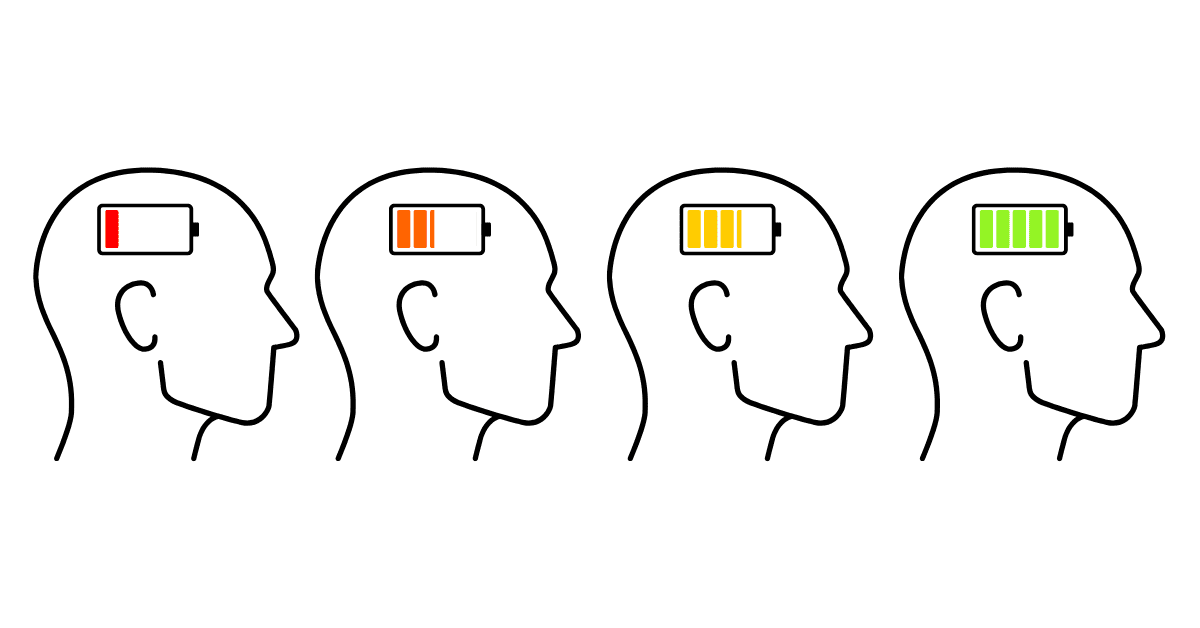
Burnout can be a real threat to both your team and yourself if you are not taking care of your mental health.
“Mental health is such a wide sweeping topic with a million and a half definitions – one for about every individual talking about it,” says Brandon Sheppard, a Weed Man franchisor in the Mid-Atlantic. “At its most basic level managing your mental health is a function of humility; understanding that none of us can do it alone – nor are we at our best at all times. We need to be honest with ourselves when we’re not – and give ourselves the time and patience necessary to be who we need to be for the teams that we lead.”
If you find yourself feeling overwhelmed, below are some of the methods that can help address moments of stress and promote self-care.
Take a Pause
Robyn Schmitz, owner/CEO of High Prairie Outdoors, based in Mission, Kansas, says she will take a mid-day pause for a few minutes of meditation to clear her mind and reset her focus.
“It allows me to step back, manage stress, and return to work with greater clarity and energy,” Schmitz says. “Even a short moment of stillness makes a significant difference in maintaining mental resilience.”
Also, consider the work/life balance you and your team are experiencing. Discourage after-hours work calls and emails unless absolutely necessary, so your staff can have separation between their work and personal lives. Hold yourself to this same standard if possible to preserve boundaries and your mental health.
Joshua Malik, CEO of Joshua Tree Experts, based in Stockertown, Pennsylvania, makes a point to spend quality time with family and friends.
“These moments keep me grounded and remind me of what’s truly important,” Malik says.
Focus on Breathing
Another straightforward tool to ground yourself in times of stress is to become conscious of your breathing.
“While I don’t think there is a single answer for how any of us manage and preserve our mental health, for me understanding my breathing – and how breathing impacts my stress and anxiety has been revelatory,” Sheppard says. “As simple as it sounds, understanding my breathing and how my body is holding stress (intentionally or unintentionally) has gone a long way towards better understanding my readiness to meet the day or a given situation.”
One breathing technique to try is 4-7-8 breathing, where you breathe in through your nose for a count of four, hold your breath for a count of seven and then breathe out through your mouth for a count of eight.
Maintain Physical Well-Being
Even though when you’re burned out, exercise can seem like the last thing you want to do, it is another powerful tool for combating stress.
Malik says he’s found that maintaining his mental health comes down to prioritizing a routine that keeps him active, connected, and balanced.
“Exercise is a big part of it,” Malik says. “I make time to work out and for activities I enjoy, like skiing, mountain biking, and hiking. Being out in nature and pushing myself physically helps clear my mind and keep stress in check.”
David Koehn, regional director for the Southeast for Bland Landscaping Company, also has found that exercising puts him in the right headspace. He encourages his team to carve out time to work out as well, as being physically active has a positive impact on your mental well-being. Koehn says their stretch and flex time is also a good time to get everyone on the same page and boost morale.
