

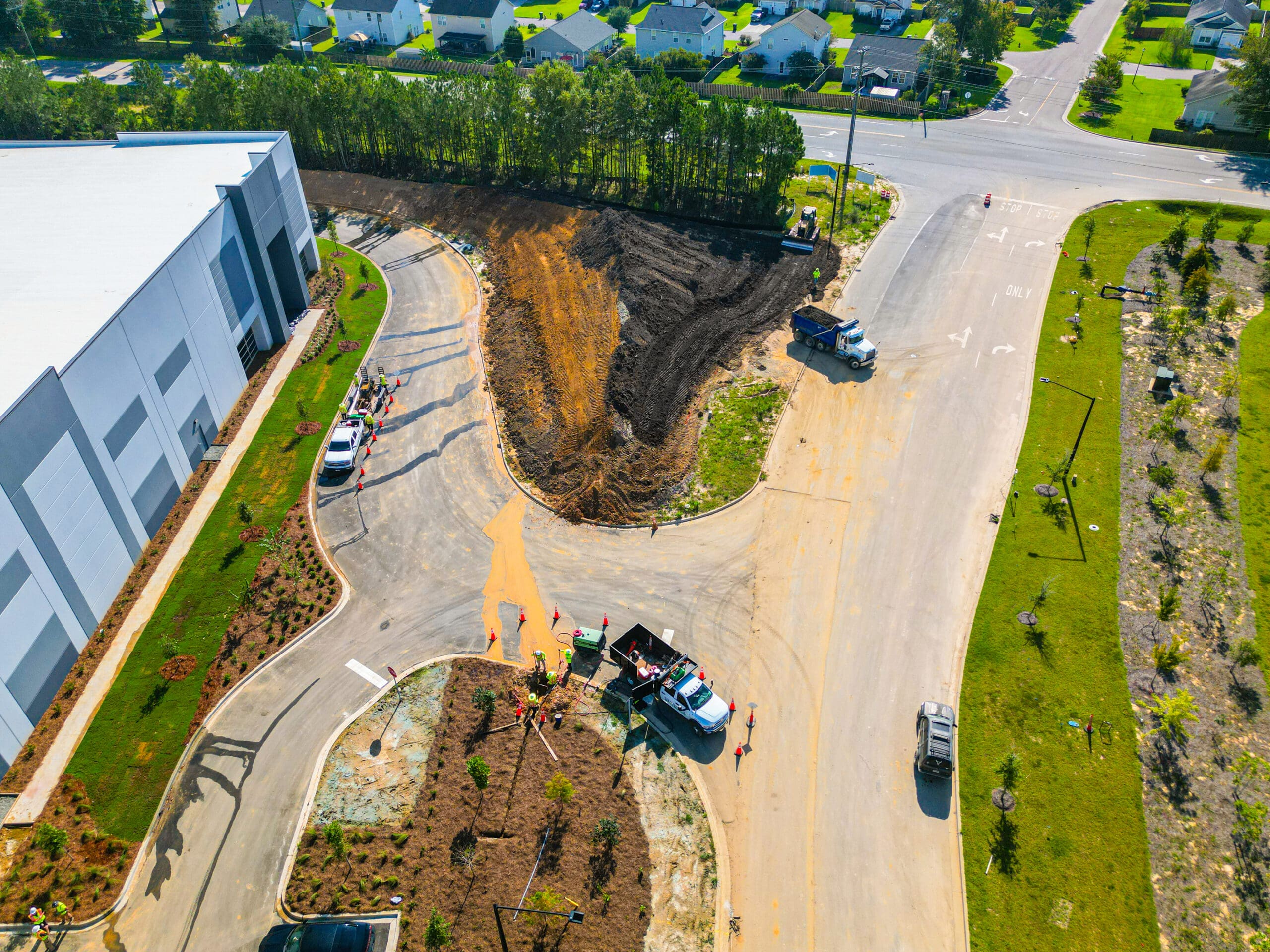
Whether you’re dealing with electricians, plumbers, civil contractors, or specialty subcontractors, how well you can cooperate with these other trades can greatly impact your overall success with a job.
“If we are not collaborating properly with fellow contractors/subcontractors at the site, no one wins,” says Ron Claassen, vice president & general manager of development for BrightView. “Lack of communication could mean damage to our work or the work of others or rework that could potentially alter the entire project.”
Depending on the nature of the landscape work you perform, you may be faced with collaborating with other trades almost daily on your jobsites or it may only be for occasional large-scale projects.
No matter how often your team has to coordinate with other trades, here are some ways to ensure things go smoothly and mistakes to avoid.
Keys to Success
Communication is the main key to successfully working alongside other trades.
“I like to reach out to them as soon as we’re on site,” says Damion Draeger, owner of 4D Exteriorscapes, based in Waukesha, Wisconsin. “I want to talk to who’s in charge. I still talk with everybody else too, but it’s just a ‘Hey, this is who I am. This is what we’re here to do. This is our plan.’ Just try to work as much of it as one cohesive team as we can.”
Cory Hendrix, branch manager of Yellowstone Landscape’s, Charleston, South Carolina, location, says they always start with open communication about their schedule and share issues as soon as they discover them.

Jay Rotonnelli, vice president of sales and business development for Piscataqua Landscaping & Tree Service, based in Eliot, Maine, says building respect and camaraderie with the other tradesmen on site is very helpful as well.
“The best working situations occur when positive relationships and mutual respect exist with other subcontractors throughout the project,” Claassen says.
It’s also important to coordinate early on to prevent the need for rework. For instance, Draeger says if hardscapers are installing a patio or a walkway weeks before his crew will be on the site, simply letting them know where their portion of the project is going, so they can add a few sleeves or pipes underneath the hardscaping helps.
“Or if they’re doing plants and I need to drive through where you’re going to be doing planting, I ask, ‘Can you hold off on the plants till I’m done?’” Draeger says. “Just so that we’re on the same page before we approach the homeowner and say, ‘Hey, here’s what we’re thinking. This is going to make it easier because otherwise I’m going to rip out all your new plans to get access, and then have to redo it so that I have to double charge you for doing extra,’ so it actually saves the homeowner money and time.”
Another option to avoid clashing with other trades is to shift your work hours.
“This is a very common practice,” Claassen says. “It may just be a case of who should go first. Other times, if the conflict will be long lasting, working a different shift than the other subcontractor can be an effective way to resolve the conflict.”
Rotonnelli says they have worked weekends to accommodate other trades.
“It’s not always possible to shift work hours but we have shifted our work locations on the sites,” Hendrix says. “With the larger-scale projects we take on, there’s usually another part of the project we can work in, if access is limited in a certain area for a day or two.”
Common Mistakes
Failing to communicate with and respect other trades on site can lead to serious project delays, damaged work, scheduling conflicts and wasted resources.
Draeger says laborers shouldn’t use other contractors’ tools, which may sound petty but could lead to major issues if something breaks. Another issue that can occur when a contractor is inconsiderate of others on a site and blocks their access in or out of an area. Draeger says, in one case, he had a four-person crew stuck for two hours because another trade had blocked them in and claimed their task would only take 10 minutes to do.
“Miscommunication on changes to the schedule happen a lot,” Hendrix says. “We’re all juggling a lot to complete our part of the project and it’s hard to let everyone know when your plans change. We also find damage done to items that were part of our scope of work by other trades that they don’t always want to let you know about when they happen.”
Claassen says another mistake is not having an appreciation for the work done by others and thinking your needs are greater than the needs of others.
“When there is conflict on the site and there is no respect for one another, it makes not only the day’s work, but the entire project painful at times,” Rotonnelli says. “This leads to frustrations and unneeded lack of communication.”
Handling Delays
Sometimes other trades can cause delays either from factors out of their control or poor planning. Rotonnelli recommends documenting all the day’s activities and sending update emails to the general contractor (GC) that require a read receipt.

“We find it’s best to keep in contact with the GC and tell them about the issues that are coming up, making sure they know we’re not at fault for the delays,” Hendrix says. “And depending on what it is, we always offer to lend hand to get the project back on track.”
Claassen says another way to help is to find other areas of the project to work on if possible and come back to an area of work at the appropriate time.
Draeger says typically, they will pull off for a couple days and work on another job if another trade is facing schedule delays on their end.
“Communicate with them, ‘I understand you need to do that. I’m not going to get in your way, but we’re going to pull off,’” Draeger says. “And then obviously, communicate to the homeowners that the only reason I’m walking away is because we’re going to be just standing here watching, and I can’t afford to pay my guys just to watch.”
Key Takeaways
- Clear, early, and consistent communication with other trades helps avoid project delays, rework, and conflicts.
- Adjusting schedules, work hours, or locations to accommodate other trades minimizes clashes and keeps the project on track. Flexibility fosters better teamwork and ensures deadlines are met.
- Miscommunication, lack of respect, and inconsiderate behavior are common pitfalls. Documenting delays and keeping the general contractor informed can mitigate these issues.
