

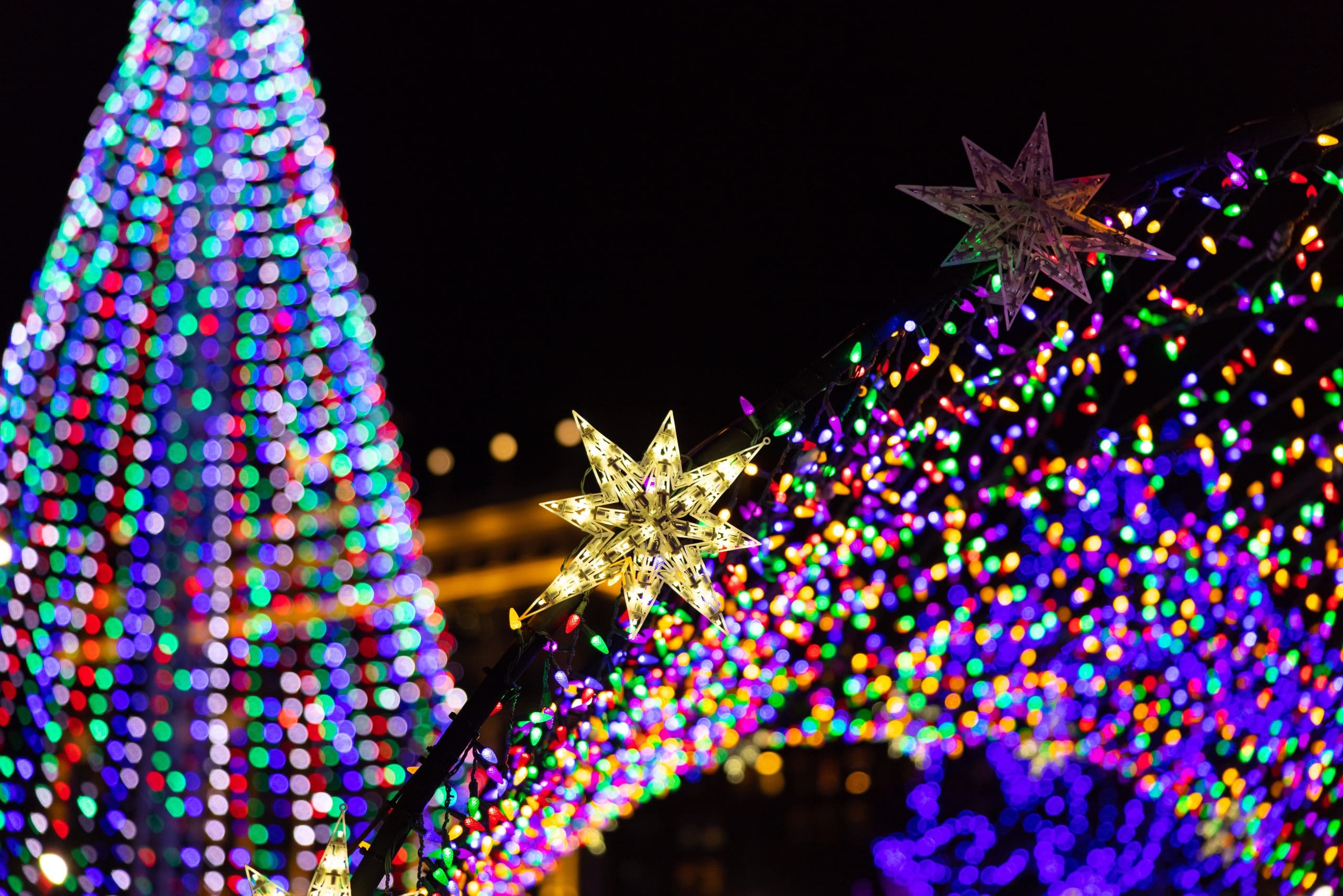
Holiday lighting has come a long way from standard string lights along rooflines. While traditional lighting remains popular, utilizing programmable lighting technology allows contractors to stand out from the competition and offer something more dynamic for clients looking to take their displays to the next level.
Kirk Brown, owner of Dynamic Celebration Lighting, based in Douglassville, Pennsylvania, notes that programmable holiday lighting adds an interactive element to a display that cannot be achieved with static lighting.
“It also allows a display to be changed from year to year with new effects, music and productions while still using the same core elements of a display,” Brown says.
As more technology becomes available, the more possibilities there are to serve this subset of clients who are looking for something out of the ordinary.
Different Levels of Programmable Lighting
If you want to branch into offering these more unique holiday lighting displays, you can start with plug-and-play products such as tower trees and light tunnels, which have programming and sequencing options from the manufacturer. Brown says these do require careful product setup and wiring for them to work properly.
Suppliers such as Twinkly Pro and S4 Lights also provide customization options without a significant investment in equipment or software. Danny Weist, head of operations for Patriot Power Wash & Holiday Lighting, based in Westlake, Ohio, recommends starting simple and getting comfortable with a system before trying to do something extremely complicated.
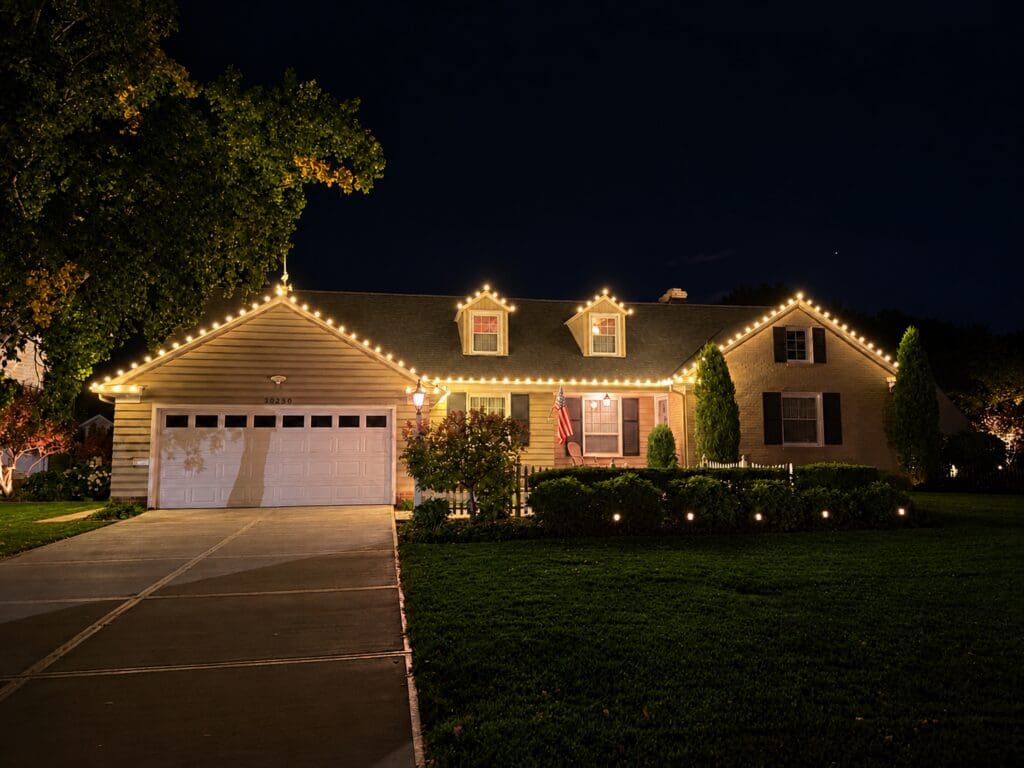
“We currently use Strandr for our lighting measurements and design,” Weist says. “It’s been really helpful for creating custom displays and giving customers a better visual of what their finished project can look like.”
Brown says if they need greater customization and synchronization of an entire area for a show, they use a software called Light-O-Rama.
“When you get into larger light shows and productions, you will need very capable computers, various A/V cables, DMX-controlled light fixtures, trusses and more depending upon the needs of the show,” Brown says. “The largest investment is really time, as there is a learning curve and lots of testing always has to take place.”
Brown says the learning curve for creating custom, fully produced light shows is steep.
“Understanding how the DMX universe works can take some people time to wrap their head around,” Brown says. “It also takes experience to be able to take a concept in your head and program it in a computer that will then run a light show that looks similar to your initial vision.”
One way to improve your learning curve is to attend an industry expo. Weist says their team attended a holiday lighting expo in Dallas, Texas, where they spent four days learning all the tips and tricks of the trade.
Brown recommends you give yourself plenty of time when programming projects, as there will be mistakes and errors you have to learn and overcome quickly.
“Programming is not something that can be done last minute,” Brown says. “Start small and build on what you have learned. Also, form a good network of vendors that can provide you support when you need it.”
Considering Customer Demand
Because of the complexity of these projects, you can command premium pricing, but you need to determine if you have the customer demand to support the technology investment.
“I’d say it’s still more of a specialty request, but we’re starting to see more interest in it,” Weist says. “Most customers are happy with a really clean, traditional display, but there are definitely people who want something bigger and more unique.”
Weist estimates currently around 5% of their clients want their holiday lights set to music, but he anticipates it will grow as they become more familiar with what’s possible and what they can offer.
Brown adds that because programmatic and sequenced elements come at a much higher investment, only a handful of clients have the budget to incorporate these features into their displays.
“When synchronizing to music, it significantly increases the time it takes to program and produce a show,” Brown says. “There are also music licensing requirements and considerations that further add to the cost and complexity of the project.”
What’s Next for Holiday Lighting Technology
Brown says that RGB and pixel products have come a long way in the past few years.
“We continually try and test new products that enter the market,” Brown says. “We are also keeping an eye on AI to see if it will be able to assist with some programming aspects in the future. I do not believe AI will ever be a total replacement for light show programming; however, it can maybe be used in the future to assist with some of it. We are watching this closely. It is not there yet.”
Weist says they are particularly interested in the technology that makes it easier for the customer to control their lights or for the company to manage displays remotely. They are also exploring smart timers, which would give customers the ability to turn on their lights from anywhere at any time.
“There’s a lot you can do with holiday lights, but the display still needs to look clean and professional. Technology should enhance the lighting, not take away from it,” Weist says.