

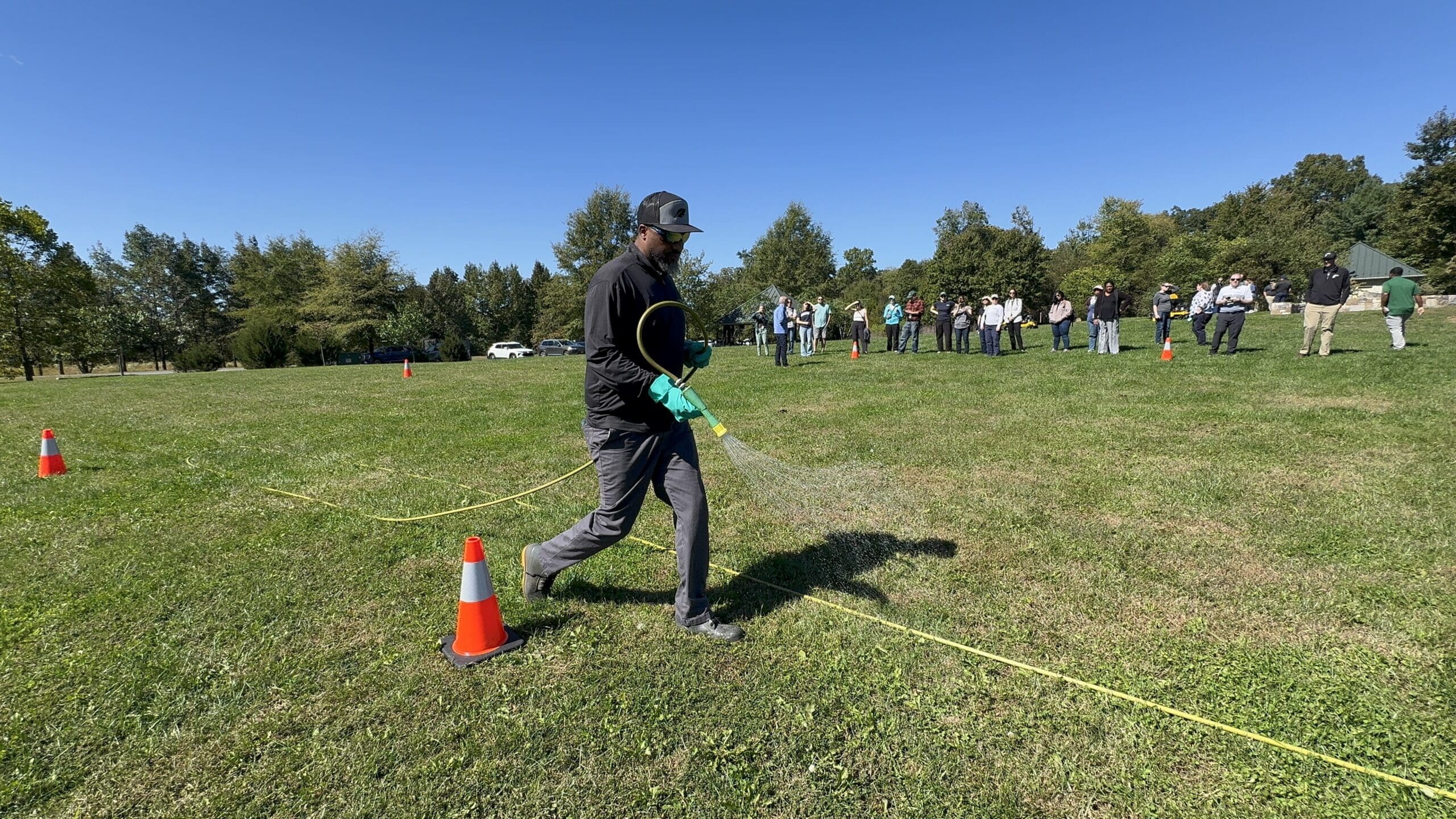
The National Association of Landscape Professionals hosted regulators from the EPA and USDA, as well as individuals from Responsible Industry for a Sound Environment, during NALP’s 4th annual Advocacy Field Trip on Oct. 8, 2026.
“The goal of this year’s Field Trip is to continue to foster our relationship with regulators at the center of some of the most consequential regulations for lawn care professionals,” says Terence Stovall, manager of state and local government affairs for NALP. “This event gives us an opportunity to meet staff that we otherwise wouldn’t have the opportunity to meet with; connect with staff we have existing relationships with and take those conversations to the next level with our in-person demonstrations and tours.”
Setting the Record Straight
This year’s event consisted of two stops. First, participants toured Virginia Green’s Manassas branch where they gained a broad overview of the company’s operations and its approach to responsible, professional lawn care.
Then, the group went to Northern Fauquier Community Park in Marshall, Virginia, for a hands-on overview of the equipment, safety practices, and application techniques used by landscape professionals. Representatives with Lawn Doctor, TruGreen, Steel Green and Stinger Equipment led demonstrations on spot treatments, ride-on applications, equipment calibration, aeration and PPE.
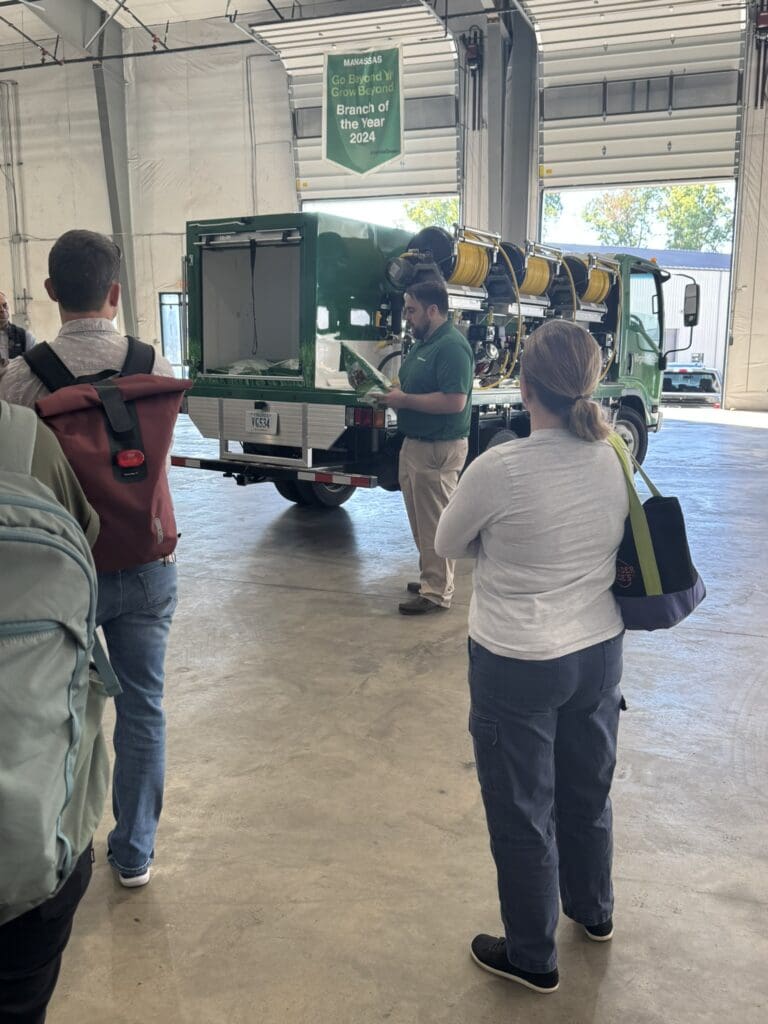
During both of these stops, regulators were able to ask questions and talk to industry professionals about the nature of their work.
Stovall says the Advocacy Field Trip is particularly useful in clearing up misconceptions related to lawn care, such as the belief that every visit means spraying the entire property and that applications are one-size-fits-all.
Lawn care operators were able to share with federal agency staff how accurate applications depend on calibration, training, and the professional’s judgment and how product use is just one part of integrated pest management, alongside prevention and practices such as aeration.
“The Advocacy Field Trip puts that professional expertise on display,” Stovall says. “Through the branch tour, demonstrations, and conversations with members, EPA staff can see how trained professionals assess conditions, select the right tools, and carry out responsible lawn care in the field.”
Building Momentum
Stovall says by hosting the Advocacy Field Trip on a yearly basis, NALP can remain consistent in our advocacy so that we’re not starting from scratch each time we engage, while also creating an opportunity for new staff to join.
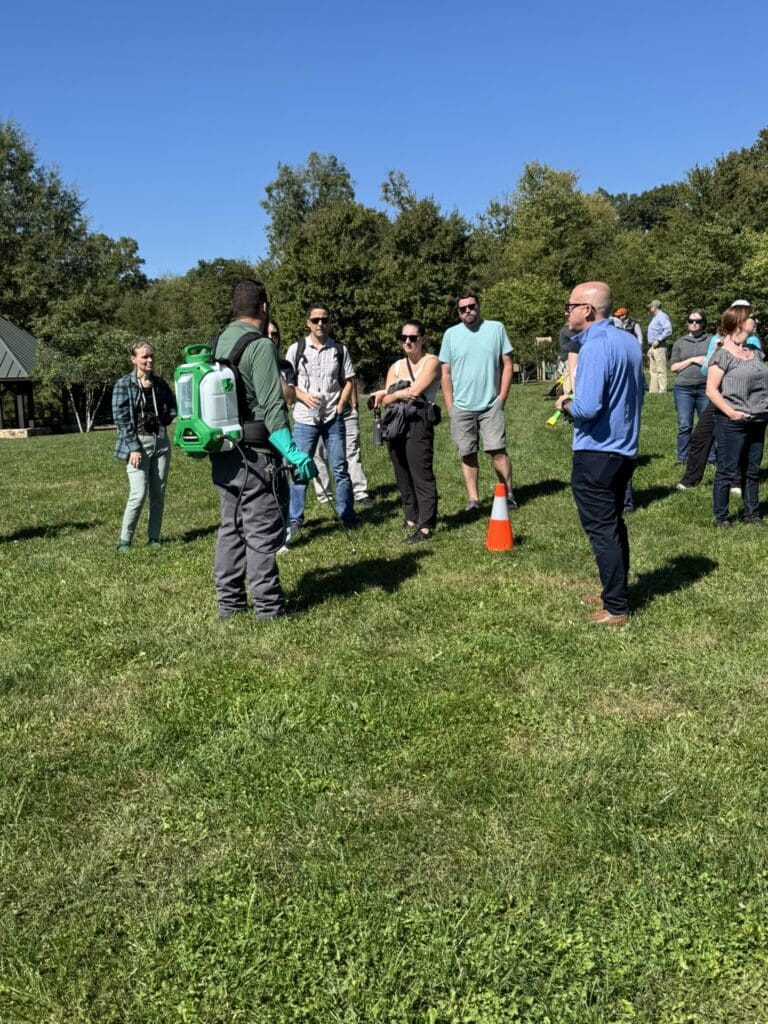
“The value lies in the opportunity to continue to build our relationship with regulators, and provide them with demonstrations, best practices, and Q&As with our members that then influence mitigation strategies and standards that are put in place by regulators,” he says.
Some regulators attend every year, while others join for the first time.
“Those that have joined us before continue to learn and find value in our tour — we try to ensure that each year reflects our ongoing conversations with stakeholders and the strategies that they’re working on,” Stovall says.
Stovall says each Field Trip helps them build more relationships with EPA staff and continue conversations throughout the year. The event is also tailored to show EPA staff how trained professionals actually use products and why non-agriculture uses need to be assessed on their own, separately from agriculture.
“Just as valuable, EPA scientists now know they can come directly to us and our members with questions as they research products, refine assessments, and develop new standards,” Stovall says. “That gives the people making those decisions access to firsthand expertise from the field.”
One key to the success of the Advocacy Field Trip is the participation of landscape professionals in the event.
“NALP can lead advocacy efforts and bring regulators to the table, but landscape professionals can show them how products are used, how compliance requirements work in practice, and what responsible lawn care looks like day to day,” Stovall says.
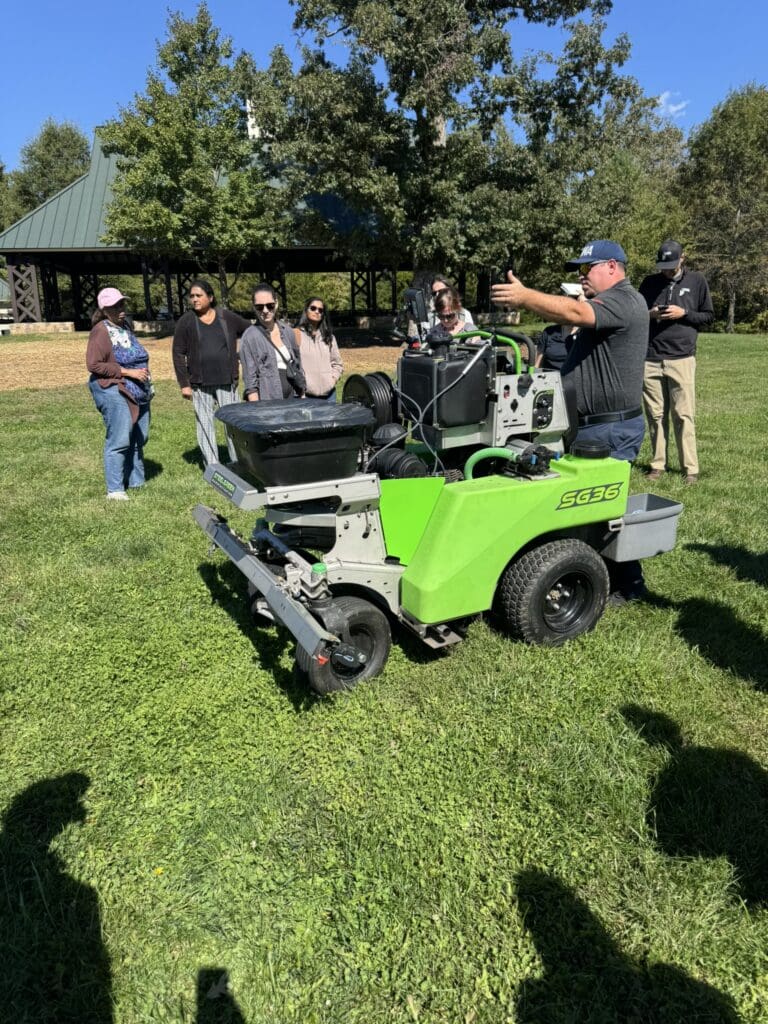
He adds that when regulators hear directly from licensed professionals and see their best practices in action, they can ask better questions and carry a more complete understanding into their risk assessments, studies, recommendations, and future decisions.
Stovall encourages other members to participate in future Advocacy Field Trips and share how your company trains employees, assesses properties, uses products responsibly, and meets compliance requirements.
“When EPA seeks public comment, tell NALP how a proposal would affect your work in the field,” Stovall says. “Those firsthand examples help us give regulators a clear, credible picture of professional lawn care.”
Stovall also recommends joining the Advocacy Ambassador program as it helps members stay up to date on opportunities to lend their voices to advocacy efforts at both the state and federal levels.