
If you want to see what modern landscape leadership looks like in a state that’s helping shape the future of the profession, you definitely want to secure your spot at this year’s NALP Field Trip, hosted by Timberline Landscaping in Colorado Springs, Colorado, on June 17-18, 2026.
Timberline is a $45 million firm that specializes in services such as residential design-build, commercial landscape construction & irrigation, maintenance, irrigation maintenance and repair, lawn care, arborist services, snow removal, landscape lighting, and Christmas decor.
Why This Field Trip Matters
Events like Field Trip help raise the level of professionalism in the industry as it provides time for landscape contractors to gather, share ideas and lessons learned.
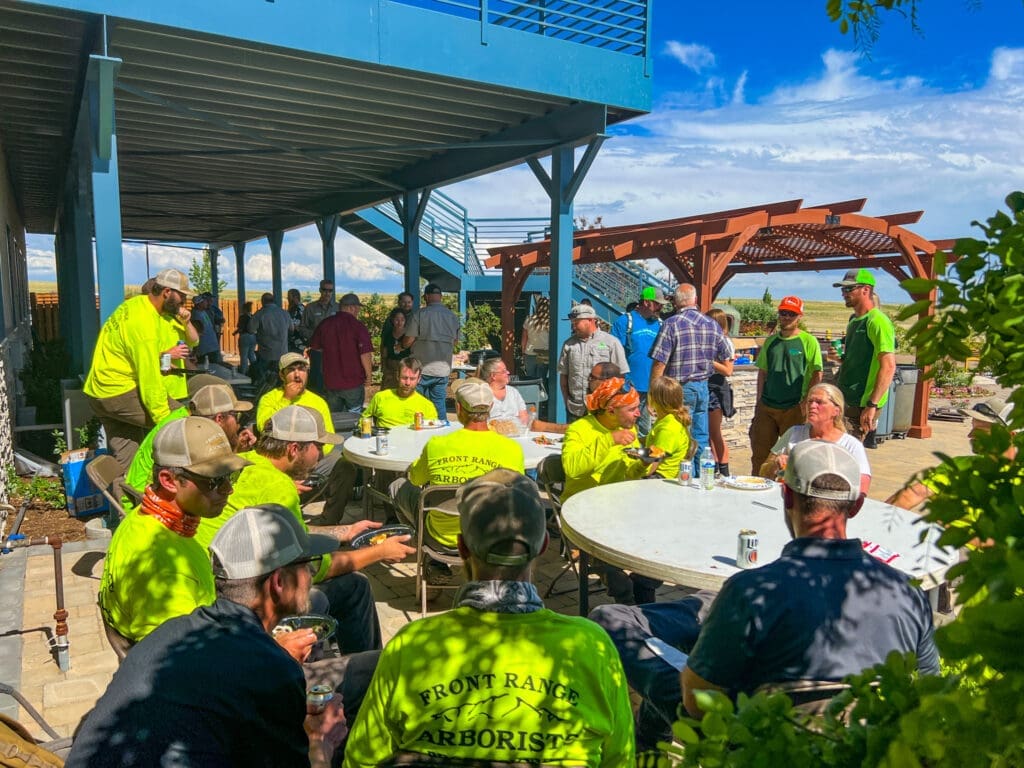
“Honestly, this is exactly the kind of opportunity that makes our industry better,” says John McMahon, CEO of the Associated Landscape Contractors of Colorado. “At ALCC, we’re always talking about how we raise professionalism, improve businesses, and help landscape companies prepare for what’s next — and peer-to-peer events like this are one of the best ways to do that. Timberline is one of Colorado’s premier landscape companies, and the fact that they’re willing to open their doors and give people a real behind-the-scenes look says a lot about who they are.”
McMahon notes that while owners and operations managers who attend will gain strategic value, even crew leaders can gain perspective on what high-level operational excellence looks like and connect field execution to bigger company goals.
One of the benefits of attending Field Trip is that it allows leaders to get out of the day-to-day and take a step back. Peer visits can open your eyes to things like:
- Better systems and efficiencies
- Team structure and leadership development
- Labor planning, recruitment, and retention strategies
- How policy and legislation may impact operations
- New ways to approach water management
- How sustainable maintenance practices can reduce water use over time
- How sustainability and client education can actually create a competitive advantage
- Culture and accountability improvements
Another notable aspect of this year’s Field Trip is its setting in Colorado. This state faces multiple challenges, including drought, water restrictions, wildfire concerns, labor shortages, and changing customer expectations.
McMahon says that because Colorado has a highly seasonal business cycle, companies often have compressed production windows and intense labor demands, creating a very unique operating environment.
“On top of that, Colorado is also one of the most legislatively active states in the country when it comes to policies impacting the landscape industry,” McMahon says. “Contractors here are constantly adapting to new laws and regulations tied to water conservation, irrigation efficiency, electrification, turf restrictions, workforce rules, and environmental policy. From irrigation controller mandates and spray body regulations to zero-emission equipment discussions and broader drought-related legislation, Colorado contractors are often operating on the front lines of policy change.”
Why Timberline Landscaping
Because of environmental pressure, labor realities, and legislative activity, Colorado contractors are evolving faster than other parts of the country, and Timberline is one of the organizations leading the charge.
McMahon says, in Colorado, it’s not enough to just be good at landscaping.
“Timberline represents that next level of professionalism,” McMahon says. “They’re not just maintaining properties — they’re operating in a market that’s helping define where landscaping is going, especially as more communities rethink water use, sustainable landscapes, and how policy impacts business operations.”
He adds that the company has built a respected brand by combining quality, scale, operational strength, and forward-thinking practices.
“For people outside Colorado, I’d say Timberline is a great example of how successful landscape companies are adapting to the future — balancing great service with bigger-picture issues like water conservation, environmental responsibility, labor realities, and navigating one of the country’s most dynamic legislative environments for our industry,” McMahon says.
What You’ll Learn
Some of the key takeaways attendees can expect to learn from Timberline include operational improvements, a strong understanding of where landscaping is heading in Colorado, as well as ideas around labor structure, leadership, and adapting to legislative and regulatory pressures that increasingly shape how contractors operate.
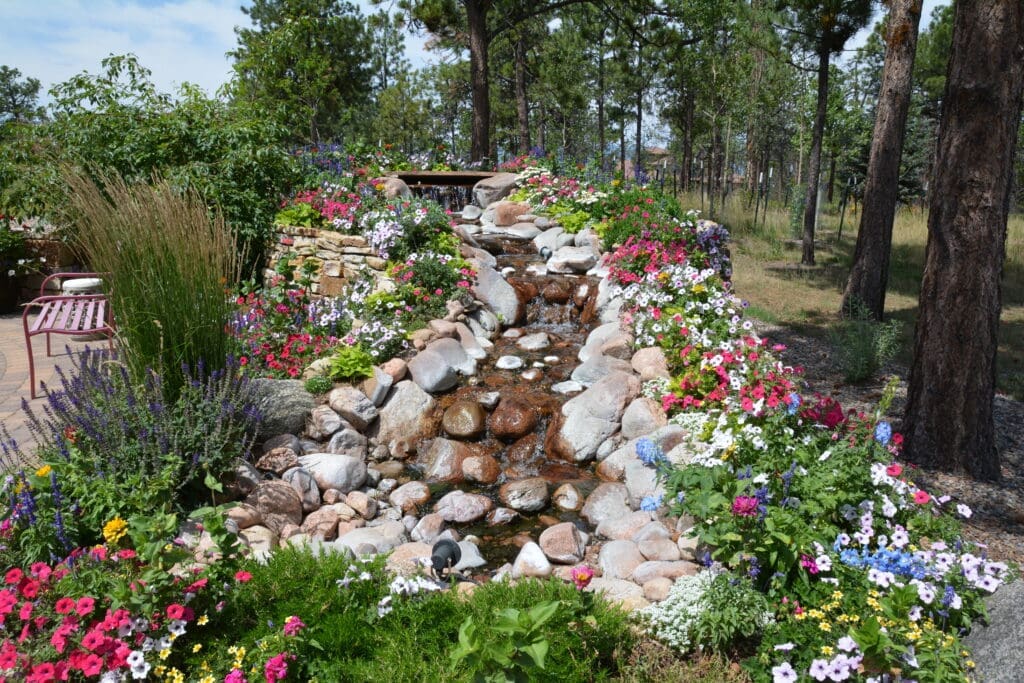
“Colorado is becoming a leader in sustainable landscaping,” McMahon says. “The ColoradoScaping movement is helping shift the conversation from ‘less water’ to ‘better landscapes for Colorado.’ That means native plants, climate-appropriate design, efficient irrigation, fire-wise planning, and sustainable landscape maintenance techniques like smarter irrigation scheduling, soil health management, mulching, hydrozoning, and long-term stewardship.”
McMahon recommends attendees show up curious and ready to ask questions.
“Don’t just look around and say, ‘That’s impressive,” McMahon says.
Instead, during the event, ask yourself:
- How does this compare to our systems?
- What are they doing better?
- How are they handling staffing and labor seasonality?
- How are they managing H-2B or seasonal workforce realities?
- How are they adapting to changing legislation or regulations?
- How are they talking to clients about drought, sustainability, fire mitigation, or water savings?
- What sustainable maintenance techniques are helping them reduce water over the long term?
- Where are the opportunities I’m missing?
Space is limited, so register for the NALP Field Trip today. The discounted hotel rate is available until Tuesday, May 26, 2026, or until the room block sells out, whichever comes first.