


As landscape professionals, you have a greater appreciation for the various species of turfgrass, but do you know what it takes to breed specific cultivars with traits like drought or disease resistance?
Susana Milla-Lewis, a professor of turfgrass breeding & genetics at North Carolina State University, found out what a labor of love turfgrass breeding is when she became the university’s first breeder.
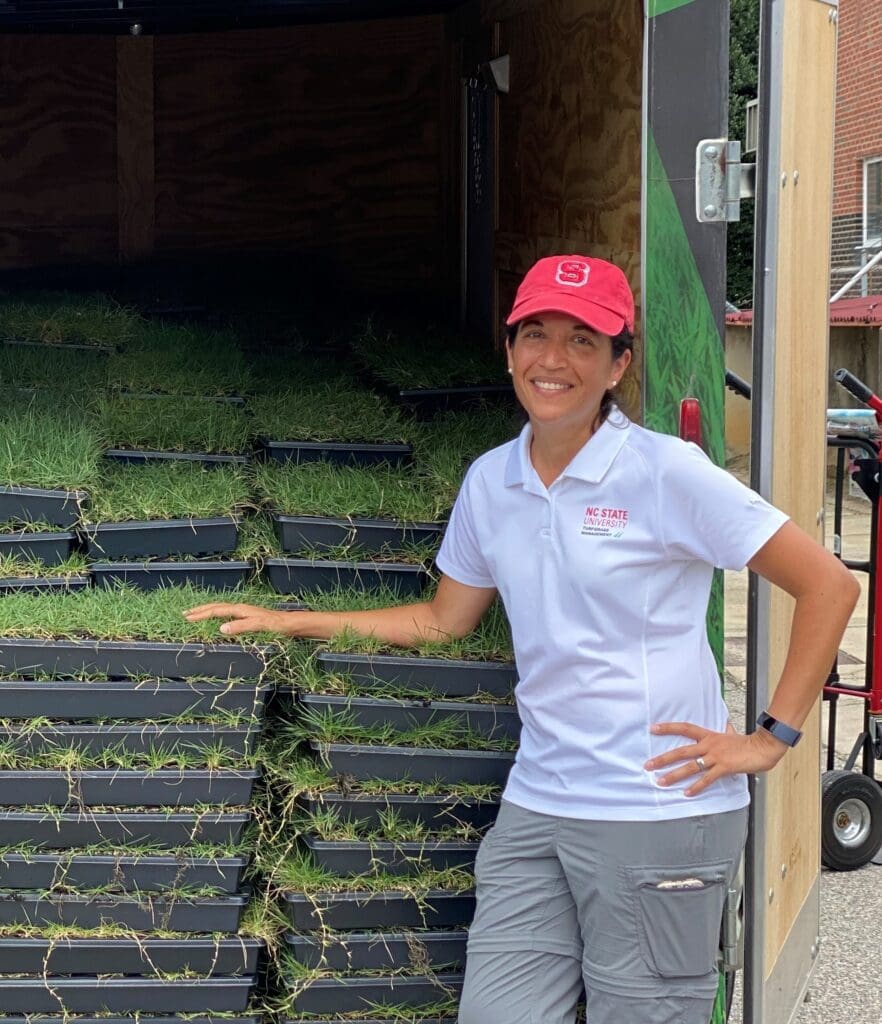
While NC State has a long history of plant breeding and a strong turfgrass science program, they did not have a turfgrass breeding program at the time. Milla-Lewis knew it would be a challenge since she didn’t have a turfgrass background, but was also excited to be able to start with a blank canvas.
With a plant breeding background in sweet potatoes, peanuts and tobacco, she was excited by the idea of working with multiple turfgrass species.
“There are so many things that you can work on, even within a species,” Milla-Lewis says. “If you’re working with different species, there’s so much that you can do. I became fascinated with it.”
She began talking to sod farmers, golf course superintendents, other university turf breeders and private sector breeders to learn as much as she could.
Starting from Scratch
In the beginning, they only had nine accessions of Bermuda grass. They also had around 29 accessions of St. Augustine grass.
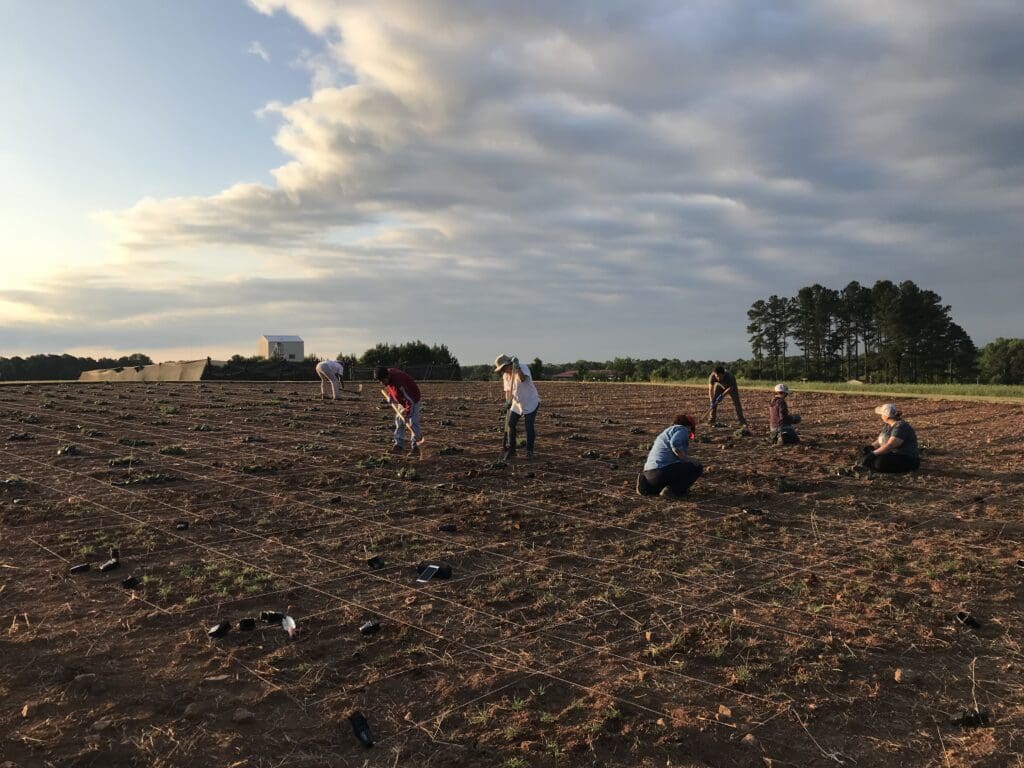
Milla-Lewis jokes that in the first year of program, they had to beg, borrow and steal to get more turfgrass material to work with.
“We also started working with not very elite materials, just collections of stuff that maybe were not very good looking, but that was the material that was available to me,” Milla-Lewis says.
Then, she started pre-breeding to evaluate the collections she had for traits like disease resistance or cold tolerance.
Being in North Carolina, Milla-Lewis can grow both warm-season and cool-season grasses in the transition zone. She chose to focus on breeding warm-season grasses as her niche.
Because it takes 15 years to develop a new cultivar, turfgrass breeders have to look into the future and predict what will be the necessary traits.
“In this area and towards the coast, I don’t see cool-season grasses lasting that much longer,” Milla-Lewis says. “I think we’re going to push warm-season grasses, especially zoysia grass, going farther north.”
Playing the Long Game
Milla-Lewis says the process of pre-breeding requires a lot of patience and moral strength, as often the first progenies aren’t high-quality. However, they selected the best from that batch and cross-bred them in hopes the next generation would produce something better.
“You go through it and you just stick with it,” Milla-Lewis says. “Over time, you do improve your populations and get to something better. But it takes you 15 years to get there, and the first few years, it’s just so depressing.”
In one instance, they started testing warm-season grasses for cold tolerance in the mountains of North Carolina. She says the first year 98% of the plants were dead. In the second year, 92% of the grass died. In the third year, 88% of the turfgrass died. Milla-Lewis says with breeding, you make incremental progress every year instead of a huge leap.
To a degree, they are limited by the natural variability that exists within a species.
Another tricky aspect of turfgrass breeding is because the plant is a perennial, you need at least three years before you can know the performance of a certain line.
“Plant breeding is a 12-year endeavor if you get lucky with the first cross and find something you can actually release,” Milla-Lewis says.
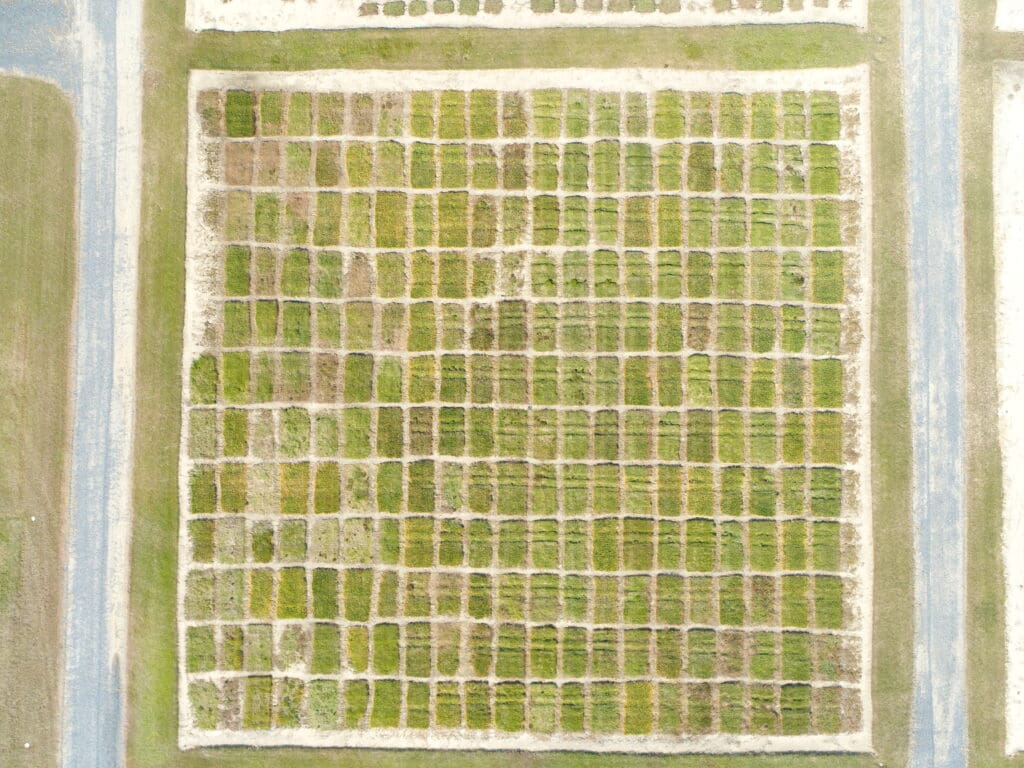
Photo: NC State University
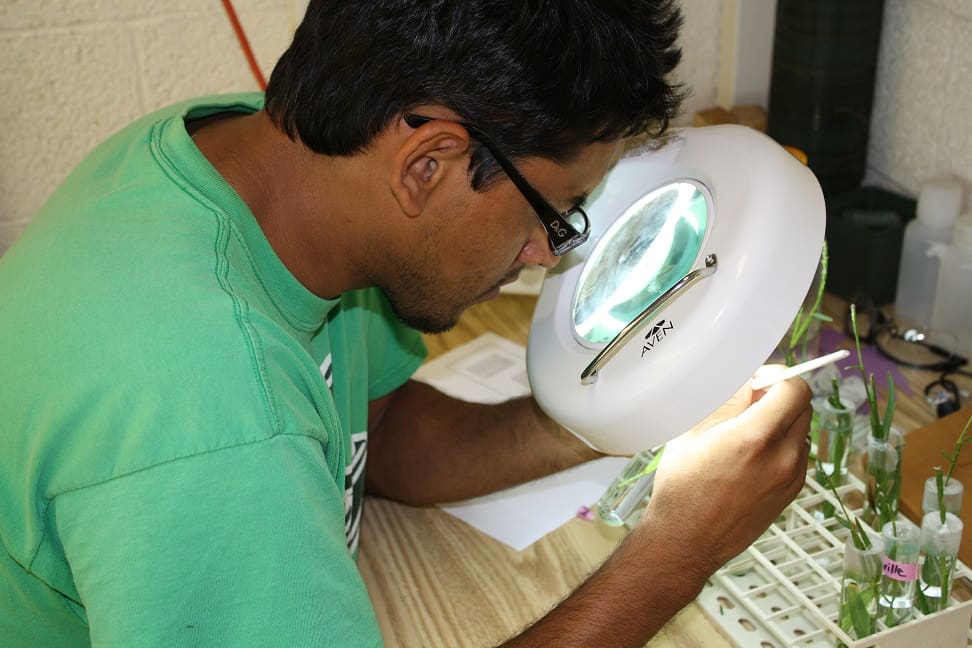
Milla-Lewis notes that phenotyping can help with the process as it allows you to collect more data that you might not be able to see with the naked eye and ultimately improve your selections. She says they’ve also started using drones and sensors to collect more accurate data.
With genomics, she can use these models to determine which 200 plants are the most promising out of a thousand and prioritize those lines with larger plots.
Milla-Lewis says because sod growers basically marry a cultivar for 20 years or more, they have to be certain about the performance of a new line before releasing it.
Navigating Nature’s Curveballs
Many times, the turf breeders are at the mercy of Mother Nature. While Milla-Lewis may want to track a line’s cold tolerance a certain year, the weather can end up fluctuating drastically where there is a mixture of cold and warm days during the winter.
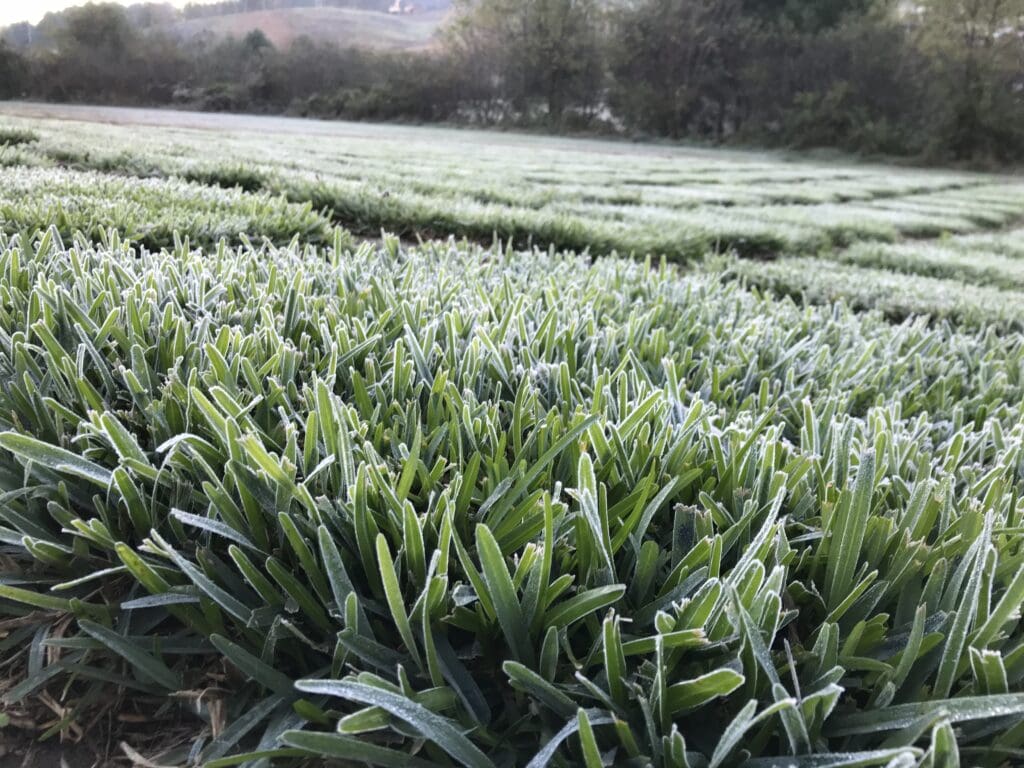
Photo: NC State University
“If you have 70-degree days in January for several days in a row, they start de-acclimating, and then when you have a freeze, that’s when you have a lot of winter kill,” Milla-Lewis says.
Other times, when they’re ready to study a population’s drought tolerance, it rains for weeks straight.
“Sometimes you can have a trial that you were going to evaluate for whatever trait, and then you get an infestation of nematodes,” Milla-Lewis says. “You learn to make lemonade. We got that extra set of data. Now I know this line might be better for nematodes.”
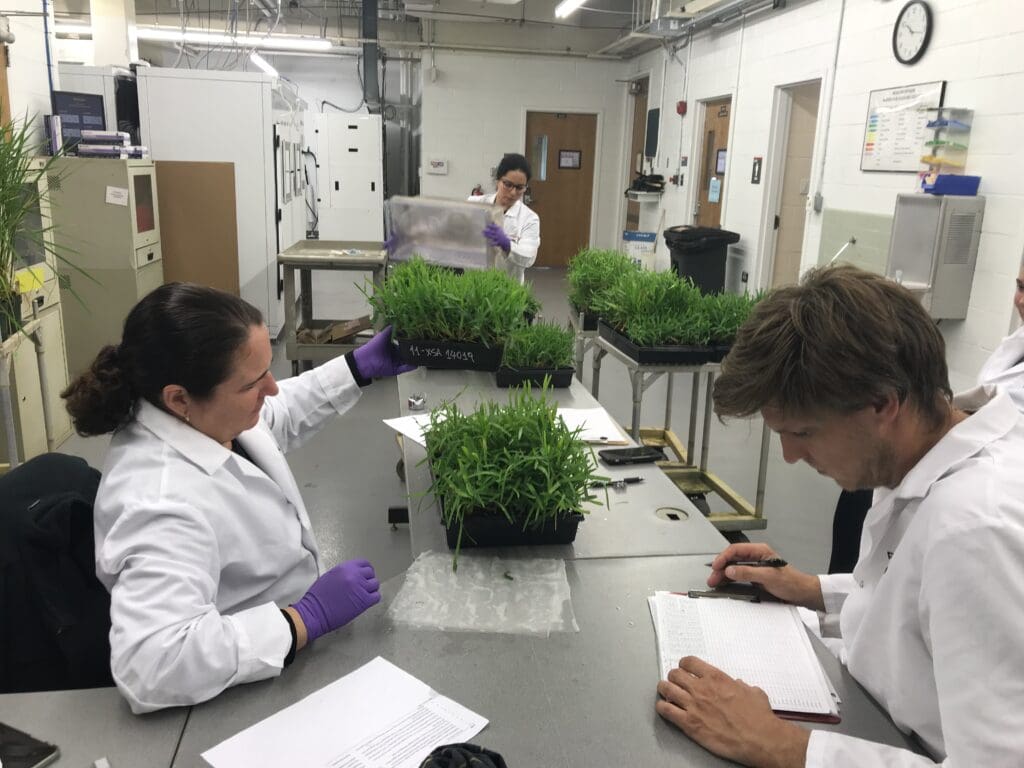
Photo: NC State University
Depending on what traits they are studying, Milla-Lewis says they won’t treat the turfgrass at all if they get an infestation, as it typically just means extra data. However, if they’re looking to study drought tolerance, they will baby the plants to ensure it is perfect before they cut off the water and collect data.
Milla-Lewis has a team of grad students who help her collect the data, but she has final say on which lines they’re going to advance.
“My field manager, he definitely gets a say, because he’s usually the one who is like, ‘This is my favorite,’” Milla-Lewis says. “He’s very attached to them, so his input is definitely considered too.”
She stresses that turfgrass breeding is a team effort and highly interdisciplinary.
From Trials to Turf
When evaluating a thousand turfgrass lines, Milla-Lewis says starting out, they can only assess them for the most important traits as they can only be planted in a small space.
“We’re looking at how fast they establish because if they’re really aggressive, they’re going to persist better,” Milla-Lewis says. “If they are affected by drought or cold or disease, they are probably going to recover faster because they’re aggressive, and then you want to have a general idea of their quality.”
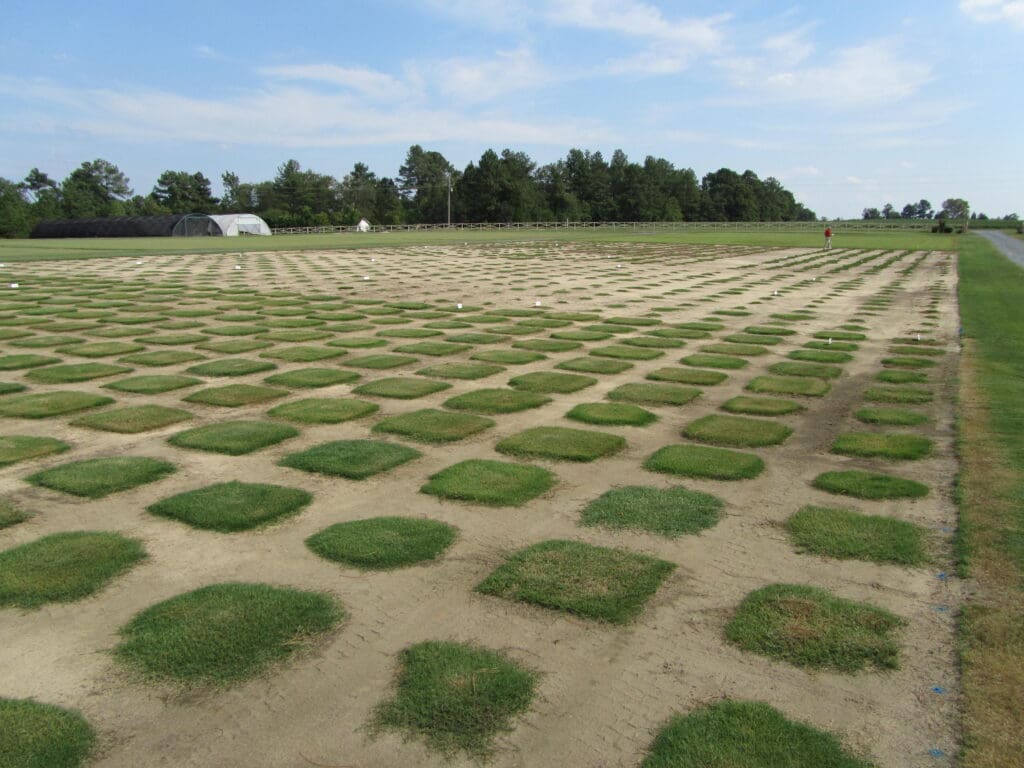
Photo: NC State University
Once they narrow down the lines, they can make the plots a little bigger and study other qualities such as the genetic color, leaf texture, density and uniformity. Milla-Lewis says they scrutinize these lines more before moving on to farm trials.
They also seek sod farmers’ feedback on the different turfgrass varieties and what matters to them production-wise. The final stage is when they plant two or three lines in large plots where they’ll harvest them commercially to ensure it has the traits necessary for sod.
“Producers are really interested in something that is going to give them more turns per year, something that’s going to establish fast, that is going to regrow really fast, so that they can sell more sod in the year,” Milla-Lewis says. “Of course, you want something that has good sod strength so it can be harvested, minimizes how much is wasted, how much you’re leaving behind in the field.”
Milla-Lewis says she has fostered relationships with sod farmers by attending the North Carolina Sod Producers Association’s annual conference every year since she was hired. By presenting at the meeting and hosting an annual turfgrass field day, she can gather their input on the current lines of turfgrass.
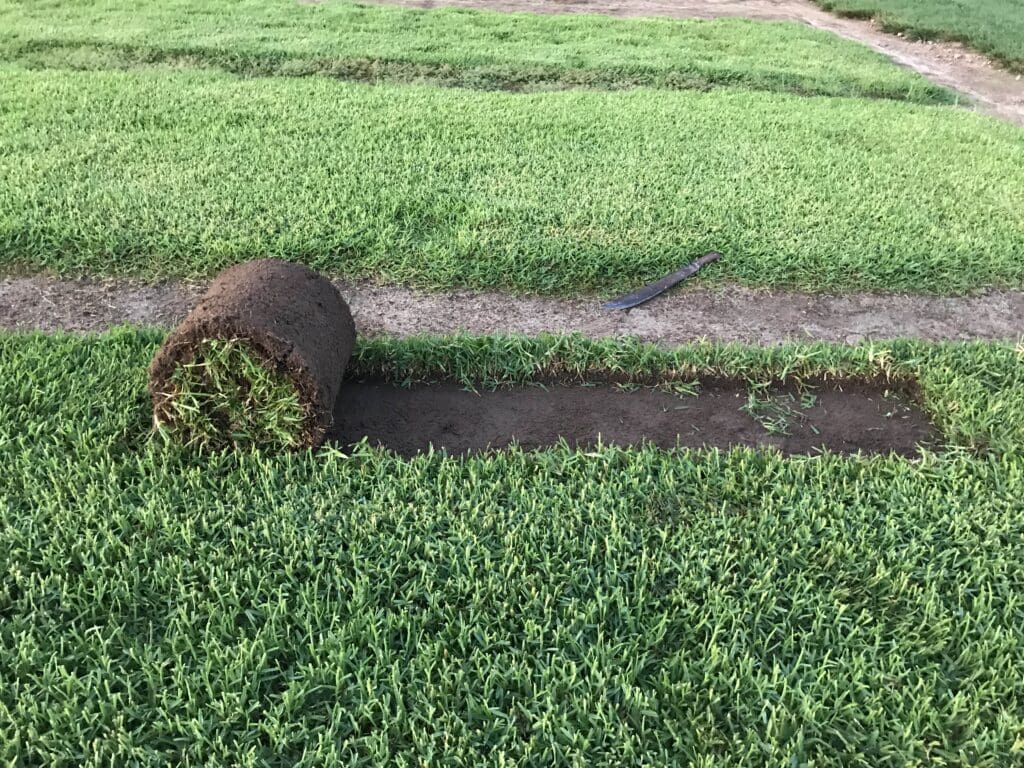
Photo: NC State University
“You build those relationships through the years,” Milla-Lewis says. “You call them, and you’re like, ‘Hey, I need a little bit of space in your farm.’ I’m always so impressed by their generosity. Nobody has ever said no when I asked for space.”
After years of research, Milla-Lewis has been able to introduce LOBO, a medium-texture zoysia grass that is low-input and establishes quickly. Dr. Grady Miller, a turf grass extension specialist at NC State, proposed the name Lobo, which means ‘wolf’ in Spanish, referencing their school mascot.
A year later, she released SOLA, a St. Augustine grass with improved drought tolerance, disease resistance and shade tolerance. Milla-Lewis says Sola means ‘alone’ in Spanish as a nod it being one-of-a-kind.
What’s Next
With their breeding pipeline established, NC State now has different cultivars progressing through the various trial stages. Milla-Lewis says they are focused on releasing additional cultivars that complement their existing releases, such as a coarse-textured zoysia grass.
“Potentially, we could have another St. Augustine grass release in three years,” Milla-Lewis says. “I think every two to three years there should be something coming out.”
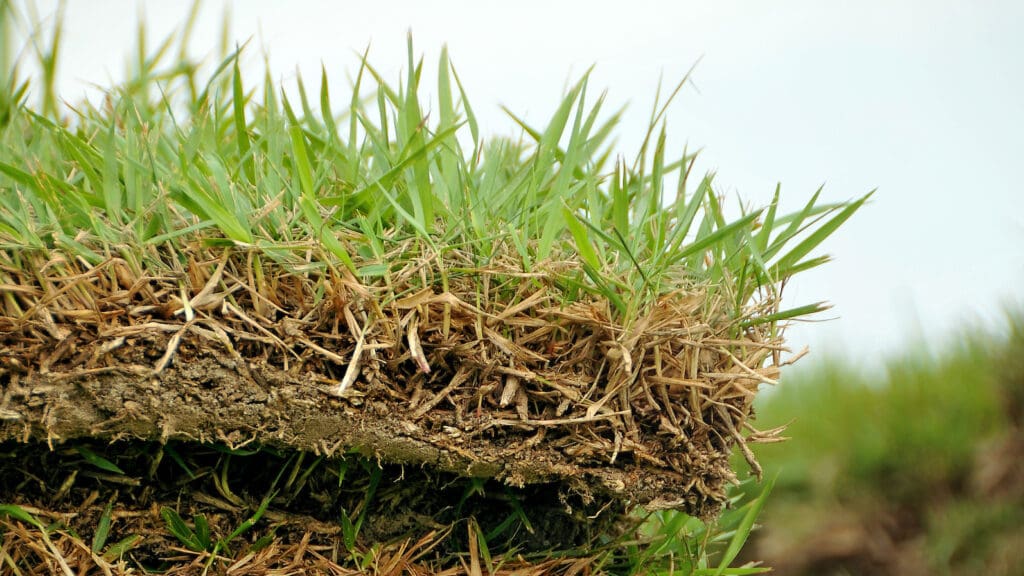
When breeding turfgrasses, Milla-Lewis says they look to create a whole package of improved traits, rather than just one new strength. She considers herself a landscape breeder, instead of a golf course breeder. She wants to develop breeds that can be maintained with fewer inputs and less water.
“If I can develop a grass that is going to use way, way less water and be more sustainable, then I have made my contribution from where I stand,” she says. “I want to develop grass that is more tolerant to stresses, that you don’t have to mow as much, that is going to use less water.”
Milla-Lewis believes gene editing will be the next frontier of turfgrass breeding.
“I think gene editing is a technology consumers are way more willing to accept, and it’s going to be interesting to see how far can we push the boundary of introducing completely new traits into turfgrasses using gene editing,” she says.
Key Takeaways
- Breeding turfgrass is a slow, meticulous process. It can take 12–15 years to develop a new cultivar with desirable traits like drought tolerance or disease resistance.
- Environmental unpredictability often shapes turfgrass research, with factors such as unexpected weather or pest infestations presenting both challenges and unexpected data.
- Milla-Lewis’s breeding goal is sustainability, with an emphasis on grasses that require fewer inputs, less mowing, and less water.
