

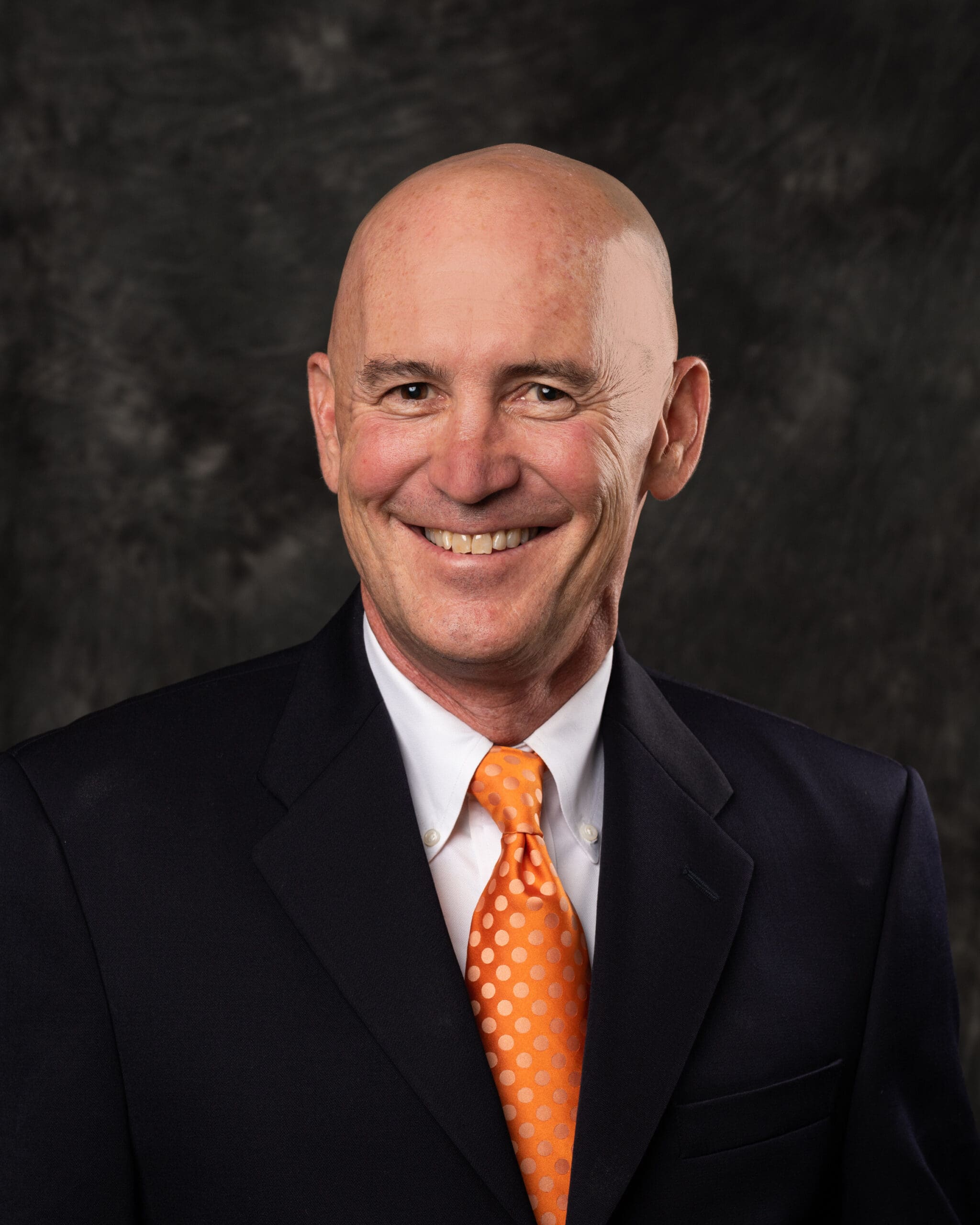
Bob Grover is the founder and chairman of Pacific Landscape Management, based in Hillsboro, Oregon. He has been working in the landscape industry since 1985 and has a bachelor’s degree in horticulture from Oregon State University. Pacific Landscape Management was acquired by Southfield Capital in 2021.
With 40 years of experience in the industry, what has changed the most in the industry?
So much has changed. The landscape industry has become much more technical, sophisticated, and professional. When I started my career out of college, I joined the largest landscape contractor in the Portland, Oregon, market and I was the 1st degreed horticulturalist to join that company. Today, most of our managers have either a bachelor’s degree or an associate degree in horticulture or related field. We have become a profession requiring professionalism, technical training and education.
Where would you like to see the industry evolve in the next 10 years?
With the growing concern over environmental issues, landscaping services are moving from beautification to environmental enhancement. Landscapes sequester carbon, clean surface water, and lower the heat island effect. Our industry needs to embrace the need to maximize the environmental value of urban landscaping while continuing to minimize the impact of our services by lowering the use of water, chemicals, and fuel.
How has the business changed since going the private equity route?
Little has really changed other than our growth trajectory. We were outgrowing the Portland market and needed to expand regionally to maintain our growth, as we have been a growth company for 25 years. Growth keeps us vital and provides opportunity for our team. Partnering with Southfield Capital helped us expand into Seattle and is now helping us continue to expand into California and the Southwest. The opportunity this has created for our team has been tremendous and all are excited for those opportunities.
What traits did you look for in your private equity partner?
Maybe a little arrogant, but we felt that the brand, systems, and culture that we had developed in our previous 20 years were unique and special. We chose Southfield Capital as they were interested in helping us grow within our culture and systems. There are other good organizations and systems out there, but we wanted to grow within ours and chose Southfield as they were committed to supporting us with that mission.
What advice would you give other owners who are considering private equity as their exit strategy?
What I would really suggest to people is to make sure you understand what your goal is. When I’ve seen other longer-term businesses sell a lot of times, it’s an avenue to retire. If you are looking to sell and you want to retire now, you might have a different plan and choose a different partner than if you want to do a true slow transition. I’ve seen a lot of examples of people who sold and left within a year, and their organization and their team and their brand suffered. So, we chose a partner where we could keep our brand and they want to invest in our brand and in our systems. That was very, very important to me, is to protect our brand and protect our team.
Why is focusing on service such a core aspect of your company’s culture?
I believe outstanding service trumps perfect quality. Customers expect and assume that you will provide the product they seek. Great communication and the relationship that you develop is the true key to success. I’ve developed a catchphrase, “Just don’t suck at the landscape part.” This doesn’t mean you provide substandard product; it instead means the great relationship and loyalty you have with your customer has more to do with the service than the product you provide.
How would you describe your leadership style?
Good question. I believe it is a combination of inspiring and demanding. I expect a lot of people, but work very hard to provide motivation and reward when goals are accomplished. When those who work for me are on target and succeeding with their responsibilities, I give them a lot of latitude. When they’re off target, I will step in. I’m also a huge believer in ongoing personal development for all. We are a learning organization, and I encourage and support my team to always look forward and challenge themselves personally, whether it’s a skill based on our business or other areas of personal development. One particular area I promote is industry involvement, through NALP, our local state organization, or any related association.
What has been your biggest challenge leading Pacific Landscape Management?
Industry professionalism and low prices. Although I am proud of my profession and being surrounded by great industry leaders through NALP, many companies do not uphold minimum standards to allow them to perform work cheaply. Being able to provide family wage pay and benefits is often a challenge when many competitors do not. We work hard to be worth a premium price and are always challenging ourselves to push the envelope with our compensation.
Where do you see Pacific Landscape Management in the next five years?
I believe we will become a premier regional company throughout the West Coast and Southwest. We have created a parent company, Osprey Landscape Group, and look to partner with other premier independent companies, but we’ll honor their brand. I am inspired to create a house of brands that are best in class at providing landscape service and creating career opportunities for landscape professionals.
What advice would you give to others trying to grow a successful business?
Find your niche and perfect it. If you try to do it all, you will be average at all. If you specialize, you can become an expert. You will be rewarded if you become an expert and will suffer by being average. And when you become an expert, do not be afraid to charge appropriately for your expertise. If you are worth it, you can charge for it. Live by price and die by the price if you lower yourself to play the price game.
My advice to others, whether they’re a small, medium or large business, is don’t lose the focus of what you are. You’ve got to make money to survive and thrive, but by God, you’ve got to be focused more importantly on your brand, your team and your service.
This article was published in the May/June issue of the magazine. To read more stories from The Edge magazine, click here to subscribe to the digital edition.
