

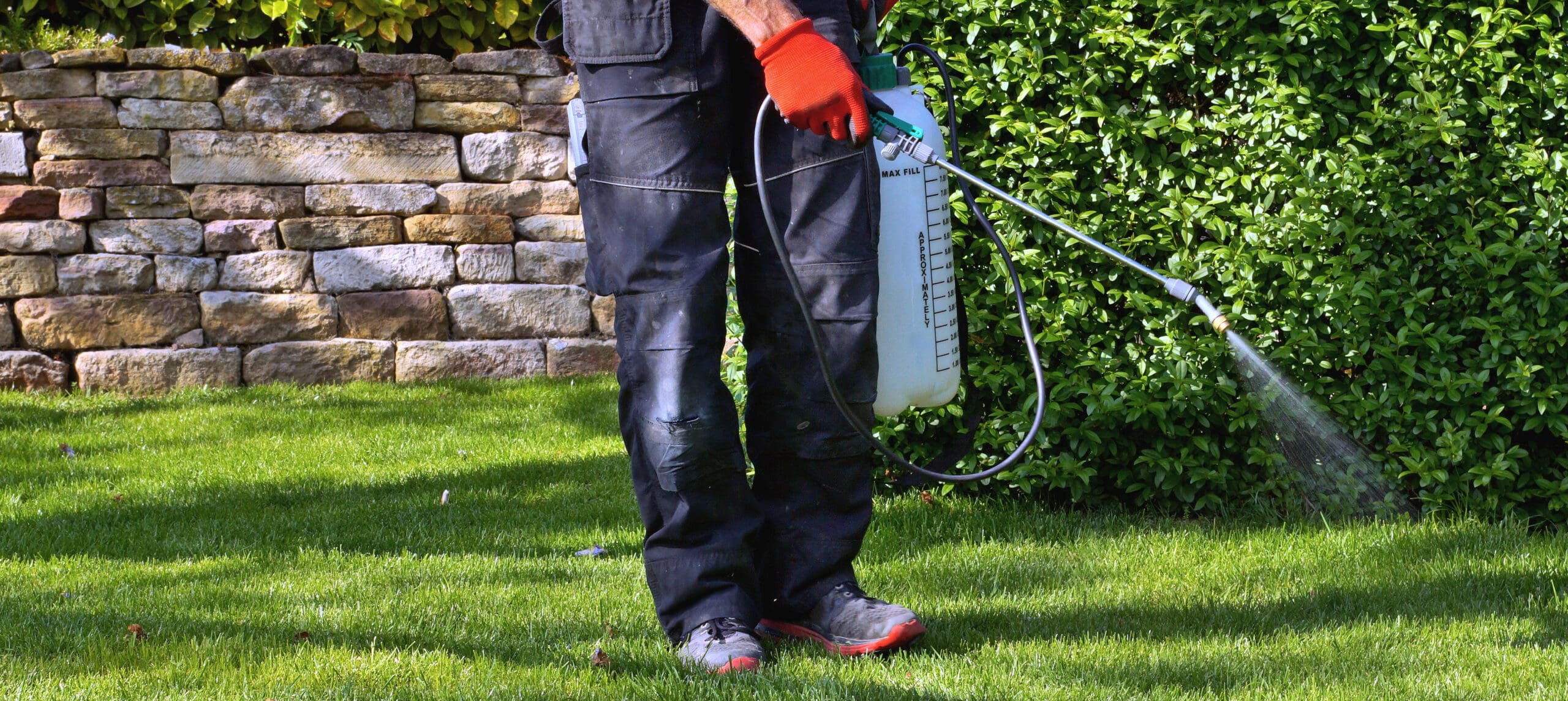
Over the years, many ideas have spread about pre-emergent herbicides. Perhaps you’ve received calls from clients saying it’s time to apply pre-emergent for crabgrass because the forsythia is blooming. They may be well-intentioned, but a more scientific approach can help you efficiently use these chemicals while satisfying your clients.
Applying Pre-Emergent Herbicides
For the crabgrass example, remember that crabgrass germinates when soil temperatures reach 55-58°F for 4-5 days (soil temperature should be measured at 2-4 inches deep at daybreak). This can occur when the forsythias bloom but could also take place earlier or later. To find out the soil temperature, all you need is a soil probe.
The best time to apply pre-emergent is 10-14 days before the problem species are expected to germinate. Your local extension office can provide more timing recommendations for using pre-emergents in your area.
Another factor is the breakdown timing of a pre-emergent. Some products lose their effectiveness within a few weeks of application, so applying too early could have no effect on the emerging weeds. On the other hand, some products will last for months after the first application. Ultimately, it depends on the exact product, timing, and location of the herbicide.
Some allow a second application, while others may require a post-emergent if further control is needed. According to studies at Penn State, a combination of pre- and post-emergent application is most effective for crabgrass control.
Another myth is dense lawns don’t need pre-emergent. This can be true sometimes, but it depends on the specific turf program. An irrigated lawn may remain thick during a dry spell (though you may encounter water use restrictions in certain areas), but lawns with no irrigation can quickly go dormant in a summer drought, providing thin areas for weeds to move in. It also depends on your client, as some may prefer using organic methods that make it difficult to prevent every weed. In that case, they might be okay with a few weeds in the lawn.
If you’re already familiar with a property, it’s tempting to use spot treatment to reduce the time and resources needed for a pre-emergent. But as you know, every year is different and can lead to unexpected problems that didn’t occur in previous years. Uniform coverage is the best defense against unforeseen issues.
Some people have said post-emergents are simply better than pre-emergents. There’s no doubt a post-emergent is effective, but you should aim to prevent certain weeds from establishing in the first place when possible.
For one thing, a post-emergent requires extra caution if the product is non-selective. Plus, many weeds are easier to control when they haven’t put down roots yet. As you plan a turf program, look for ways to use pre- and post-emergent chemicals in a complementary way.
Other Considerations for Applying Herbicides
Before applying herbicides, think about the goals for each client. Some require a spotless lawn with no visible weeds, while others may have no issues with the occasional crabgrass if it means less chemicals being applied. Those goals will influence the amount and types of herbicides needed.
When you start a turf program, soil testing provides many answers to managing pH and fertilization levels. With so much variation on each property, you can pinpoint the exact needs for each microclimate on the site.
When it comes to irrigation, the duration and frequency play a key role in weed management. Like many other plants, turf does best with deep, infrequent watering. This helps the roots grow deep while strengthening the turf against harmful insects, disease, and environmental stress.
Shallow watering keeps the leaf blades wet and encourages disease pathogens to develop, which can lead to thinner turf. A good recommendation is to irrigate the soil 4-6 inches deep and use a soil probe to monitor soil moisture.
Mowing height can also limit or encourage weeds. For most cool-season species, a minimum height of 2 inches is ideal for deterring weeds, with many clients preferring 3-4 inches. Warm-season grasses can be cut at lower heights, but the right height will depend on the site conditions and the client. A higher mowing program allows the leaves to shade the soil surface and prevent weeds from germinating.
